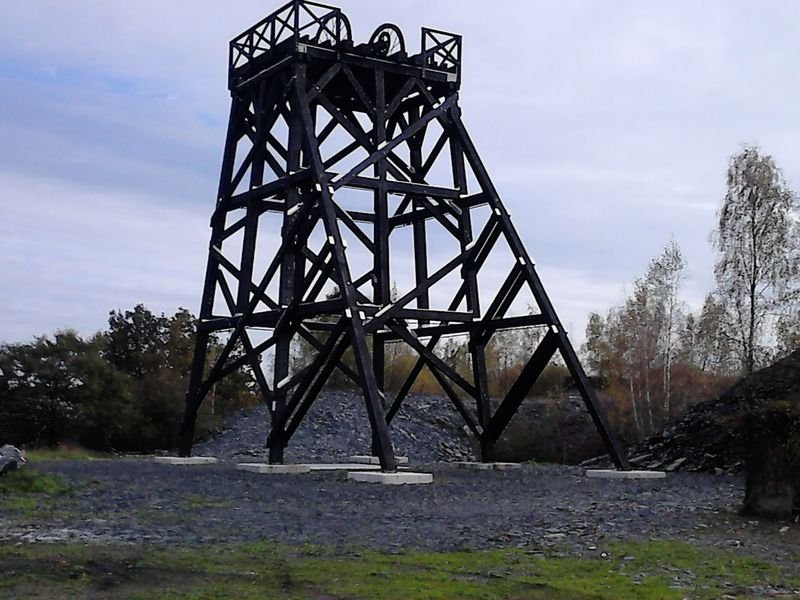

In the commune of La Pouëze, the quarries are a site of industrial heritage, producing high-quality schist slate. These excavations are part of a specific band of towns that includes Angers, Trélazé, Avrillé, and Candé. In 1797, three families - the Chesneaux, the Gasnier, and the Bellanger - moved from Saint-Quentin-les-Anges to La Pouëze to continue their slate-working activities.
Between 1832 and 1885, the site produced five to seven million slate blocks, worked by about a hundred men. This period saw significant growth, including the development of the Fiogée and Bouet quarries. To meet the demand for labor, workers from Brittany began arriving in the area, leading to an increase in population and a transformation of the local social and economic life. By 1894, production was estimated at three million slate blocks annually.
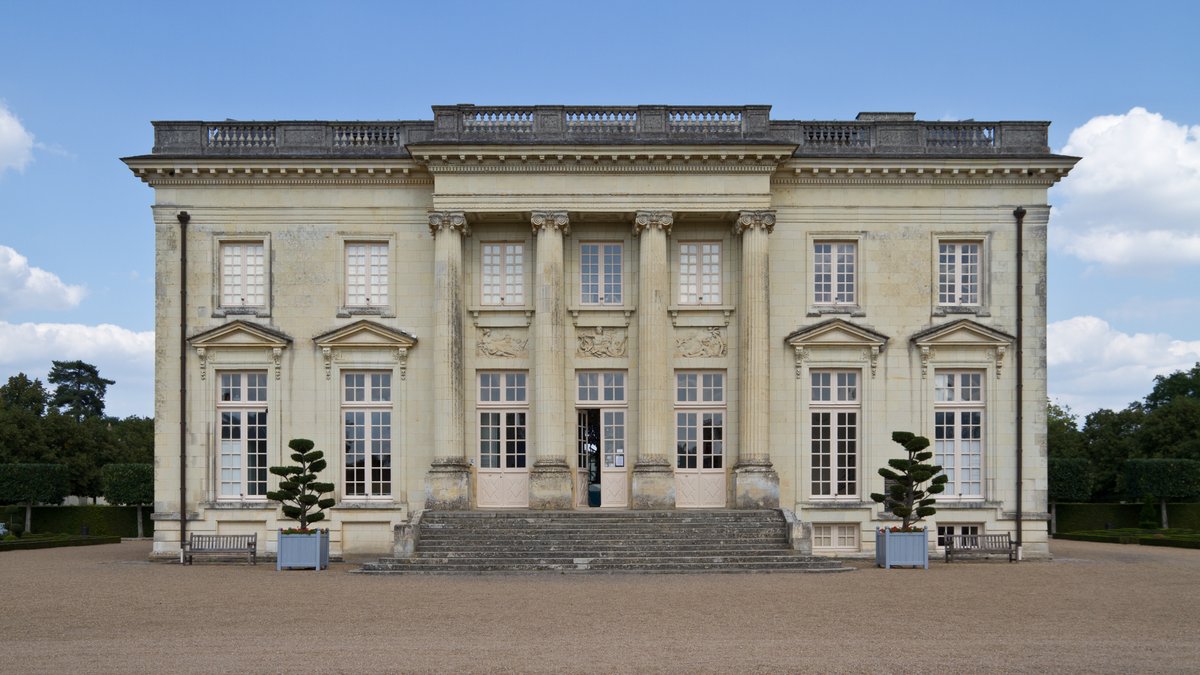
Historical accounts from 1825 describe the drying of water currents in the region. In 1858, research initiated by M. Duponceau, owner of the Château de La Pouëze, suggested that the drying was a consequence of old quarries redirecting water towards new ones. In 1858, these active quarries were described as being equipped with hydraulic machines that moved large amounts of water. The industrial activity continued for years until the work on slate stone finally ceased in 1997.
Sources: Wikipedia, OpenStreetMap, Wikidata, Wikimedia Commons
Written by Nicolo Ciampini
Discuss this with the author and others
No comments yet. Be the first to start the conversation.