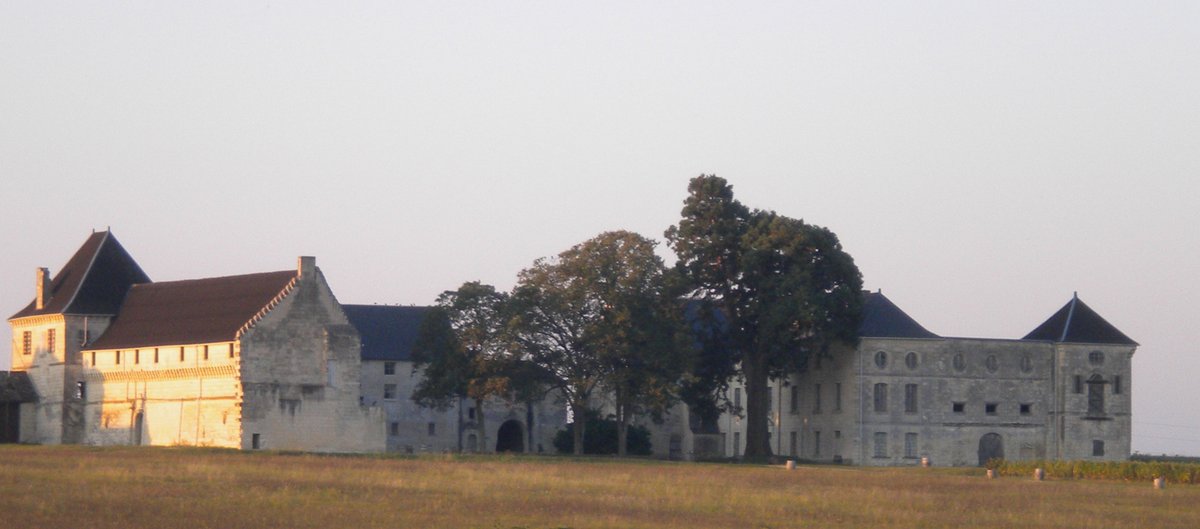

In 1579, André de Beauvau-Pimpéan met a tragic end after being found guilty of killing a recors, an auxiliary of the sergeant of justice. He was condemned at the Grands Jours de Poitiers and beheaded. His punishment was made public as his head was exposed on a pillory in Angers for all to see.
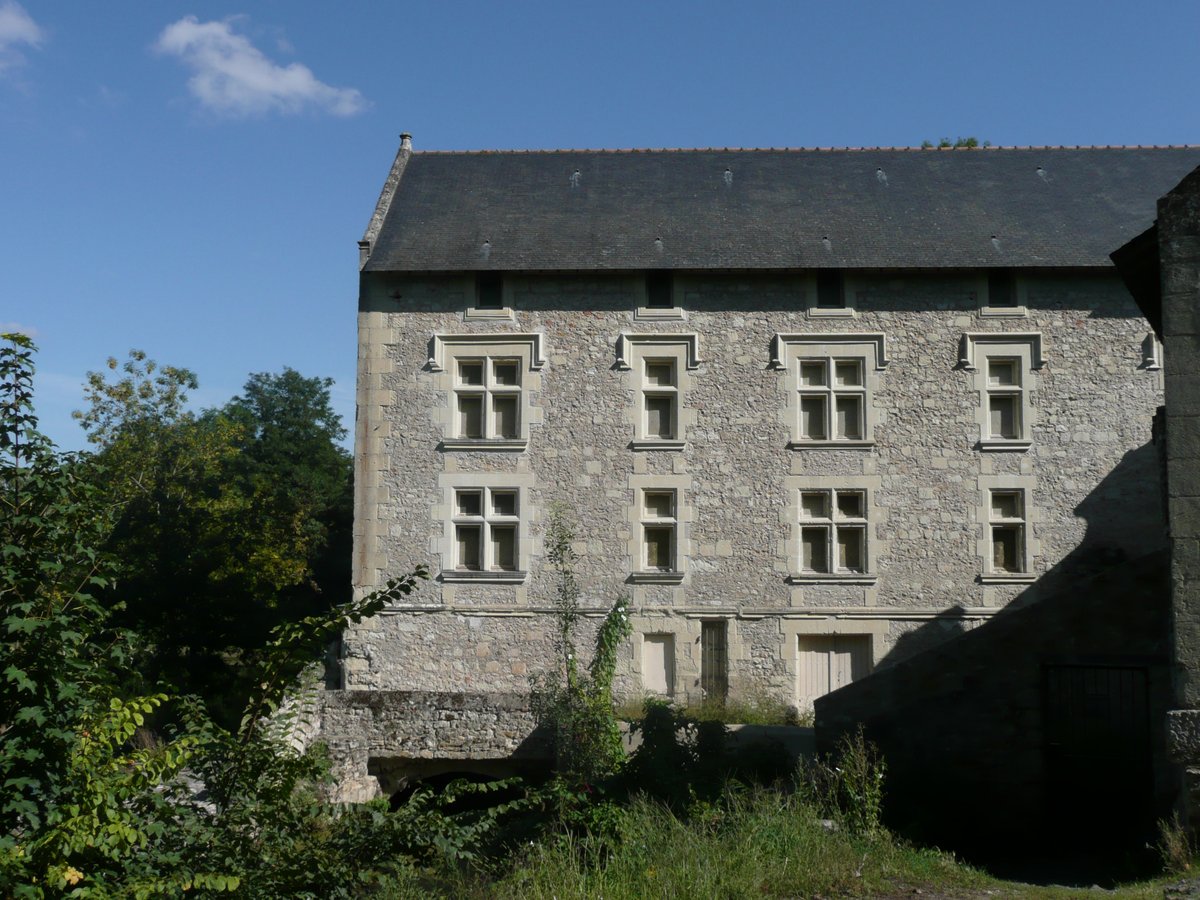
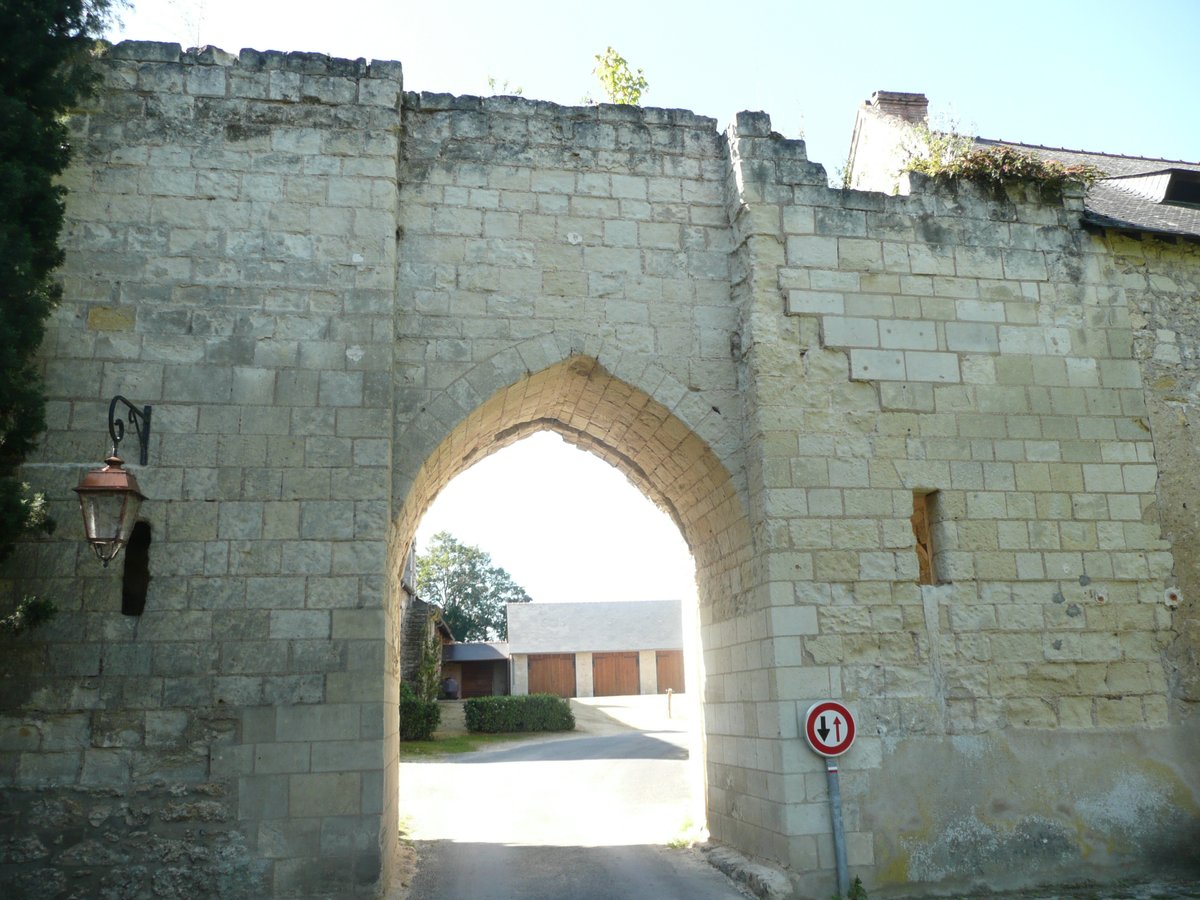
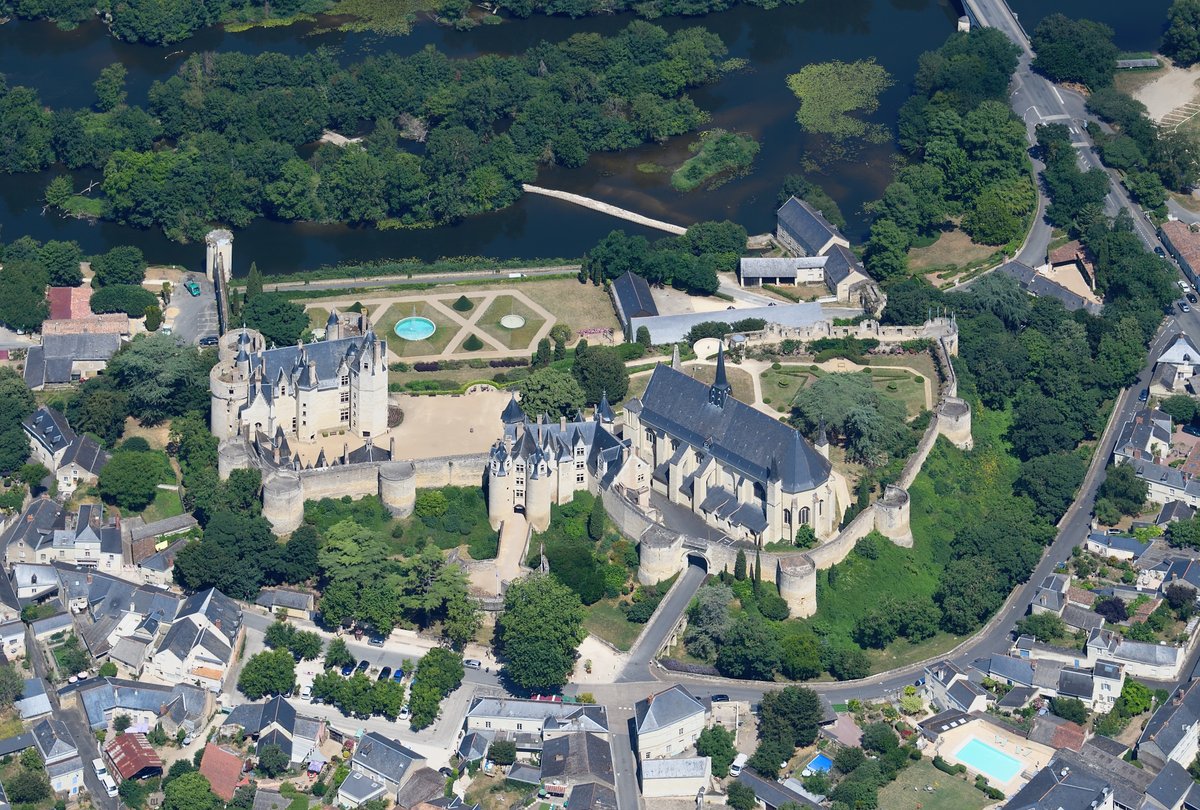
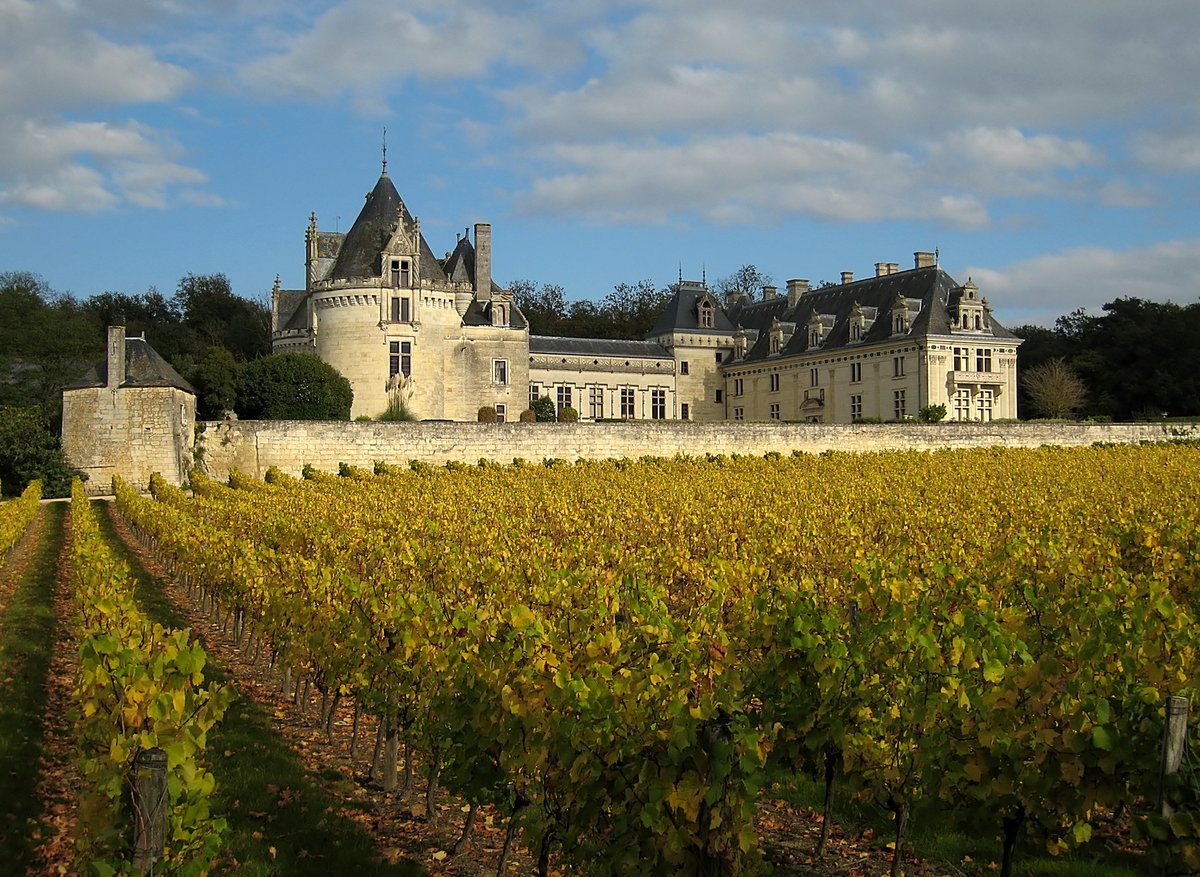
Bertrand de Beauvau constructed the current castle structure in the 15th century. He significantly increased his holdings on February 12, 1443, with lands at Les Forges and des Clavières. The property passed through several generations of the de Beauvau family until the late 16th century. Following a six-year legal dispute in the 1660s, the property eventually came into the possession of Henri-René Robin de La Tremblaye, who became the Marquis of Alligny.
By the 18th century, the estate underwent another transition. On October 17, 1754, Claude-René Robin de La Tremblaye sold the lands to Pierre de la Lande-Guyon, a wealthy creole. The building was eventually classified and listed as a historical monument in 1959.
Sources: Wikipedia, OpenStreetMap, Wikidata, Wikimedia Commons
Written by Nicolo Ciampini
Discuss this with the author and others
No comments yet. Be the first to start the conversation.