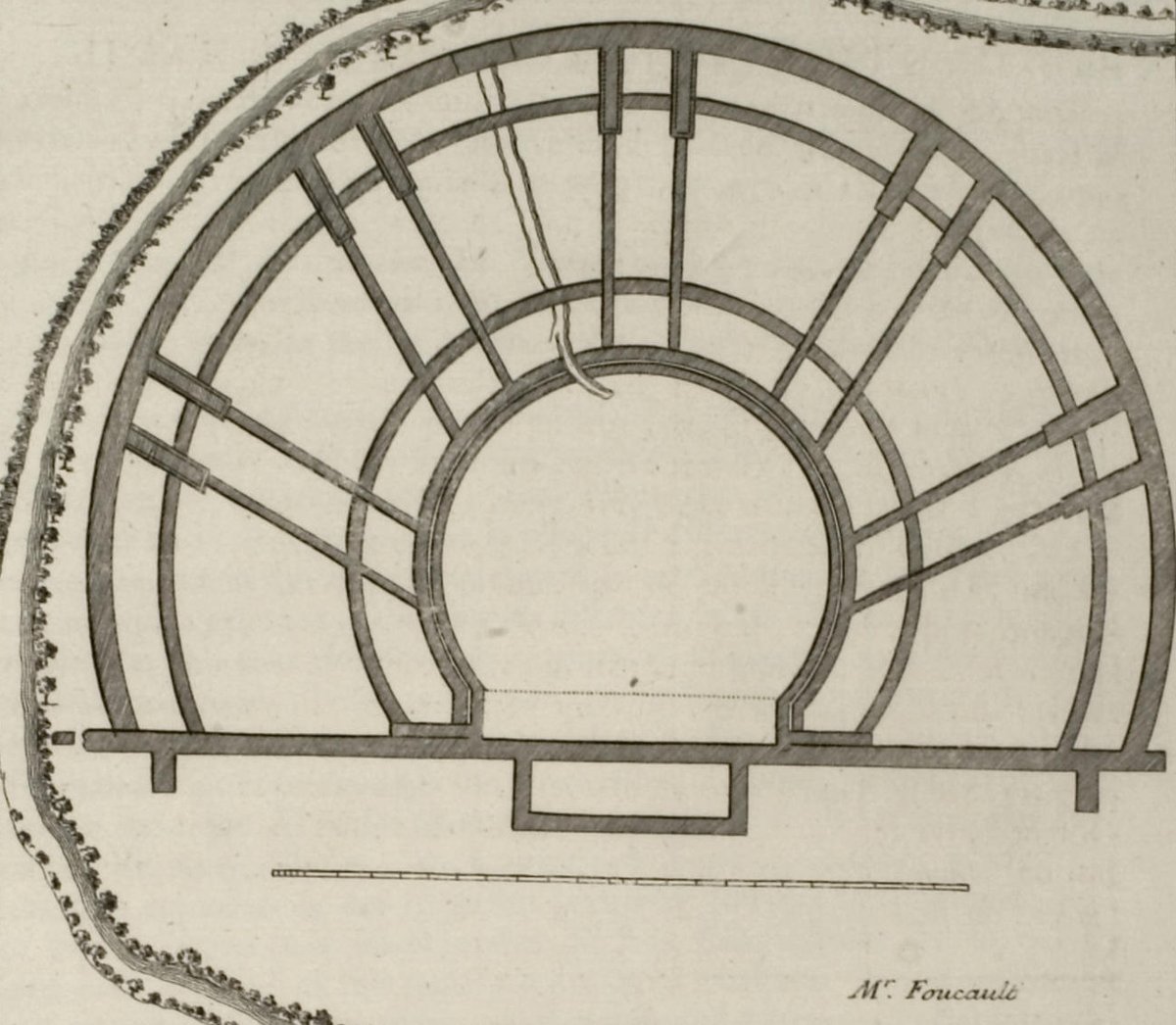

The Romans constructed a limestone theater in the settlement of Alauna so imposing it compelled the decumanus maximus to shift its entire path. The structure was built using small limestone rubble from the local area and featured a diameter exceeding 72 meters. Unlike standard designs, this theater incorporated an arena to accommodate a range of performances, featuring a cavea, shaped like a horseshoe arch, an orchestra, in the shape of a horseshoe, and five radiating vomitoria.
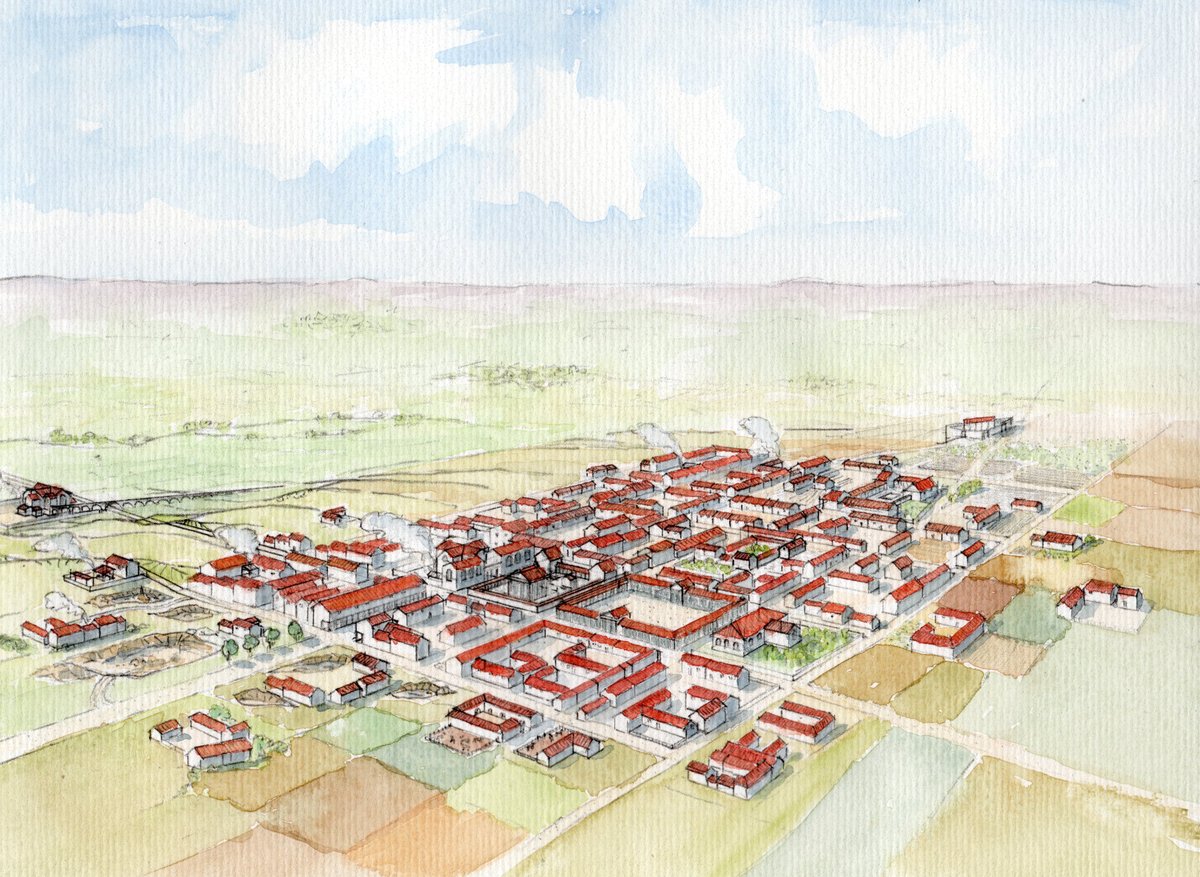
Likely constructed between the end of the first and the end of the second century, the theater anchored a settlement of approximately 45 hectares. It remained operational until the end of the third century, after which it was abandoned. Because of its size and position at the eastern periphery of the settlement, the theater served as a prominent architectural feature alongside the nearby baths.
Once decommissioned, the structure was repurposed as a stone quarry for an extended period. Ancient rubble stones from the theater were found in nearby buildings constructed in later eras. A lime kiln was even installed in the orchestra area to process extracted stone after the theater was no longer in use.
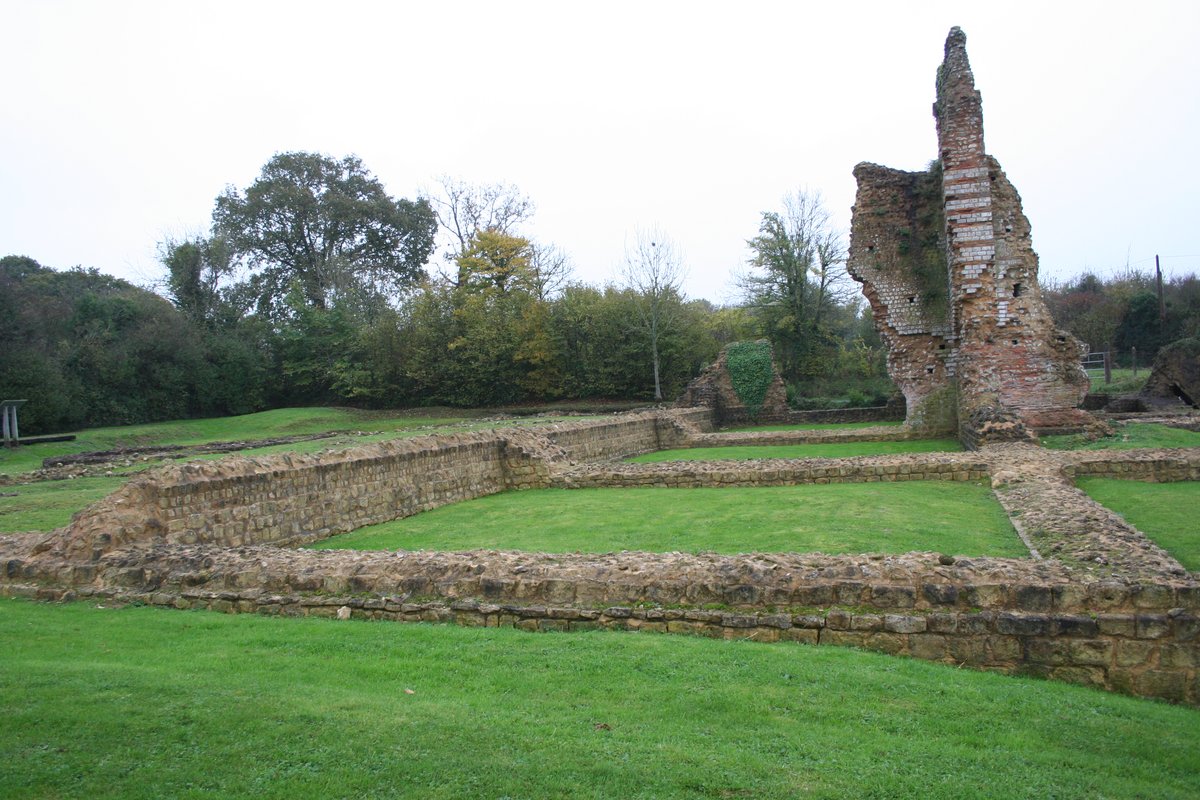
Today, most of the theater is buried at a shallow depth beneath enclosed meadows in a bocage landscape. While much of the site is hidden, a portion of its enclosing wall remains visible within one of the hedges. The site continues to be a subject of archaeological study, with investigations conducted as recently as 2015 and 2020.
Sources: Wikipedia, OpenStreetMap, Wikidata, Wikimedia Commons
Written by Nicolo Ciampini
Discuss this with the author and others
No comments yet. Be the first to start the conversation.