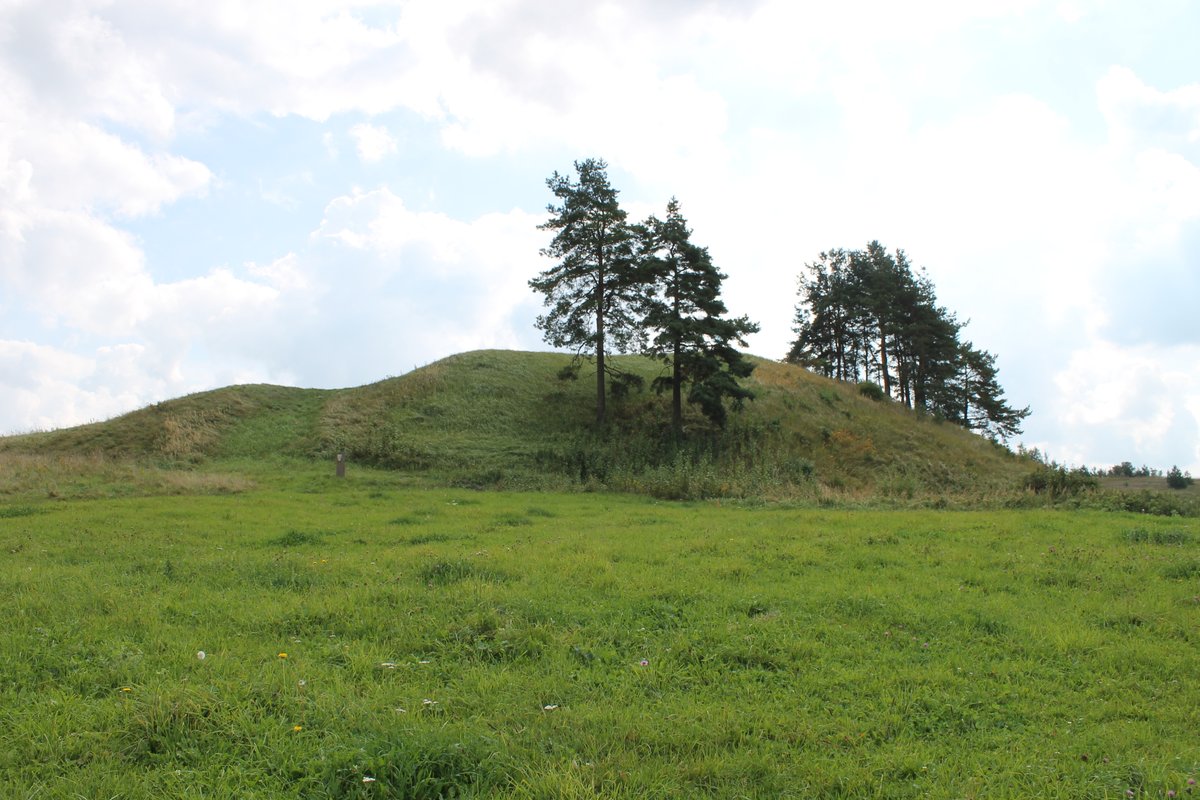

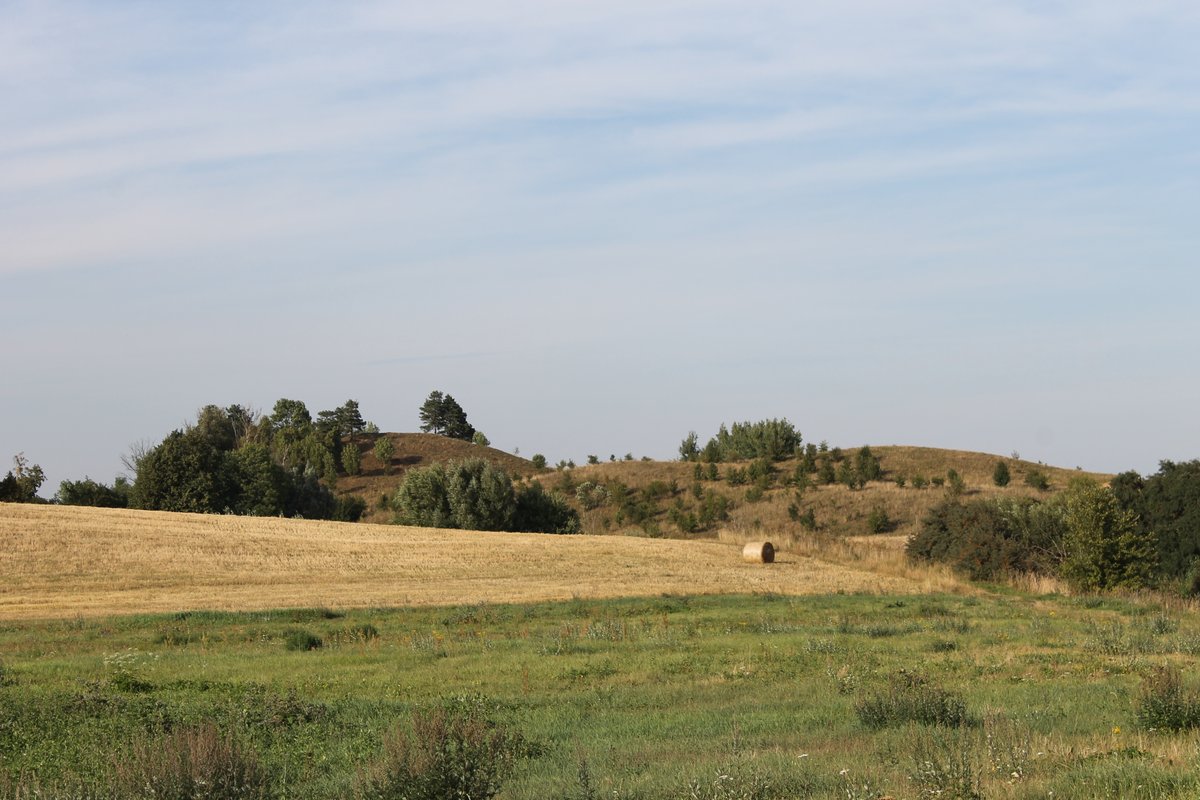
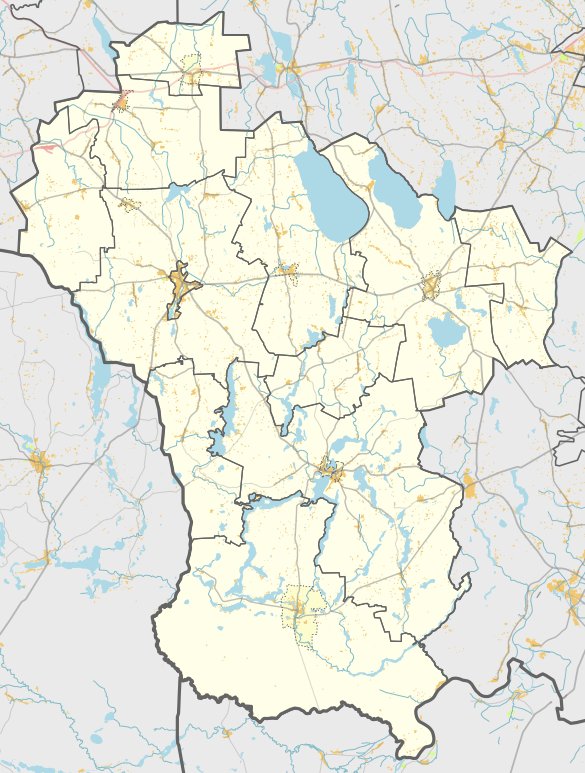
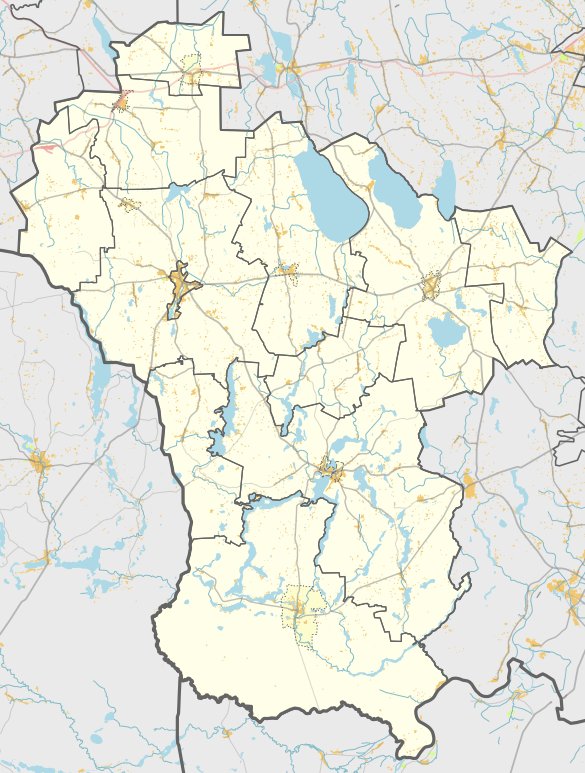
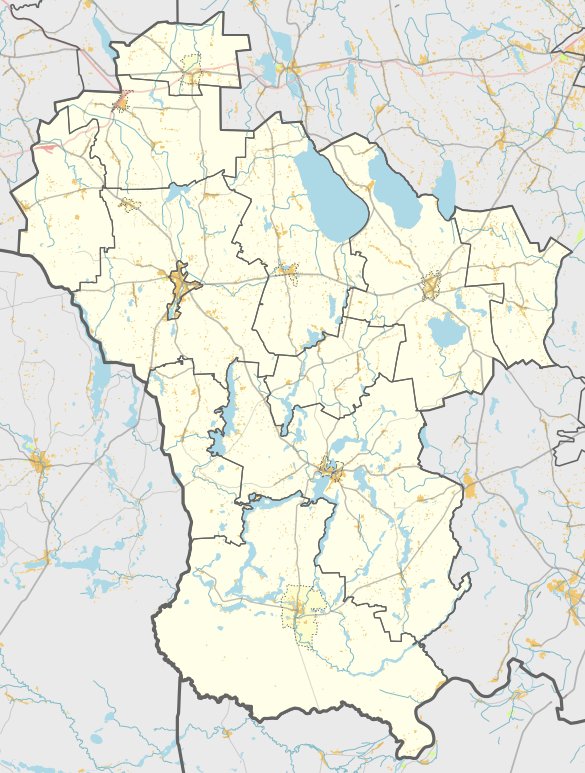
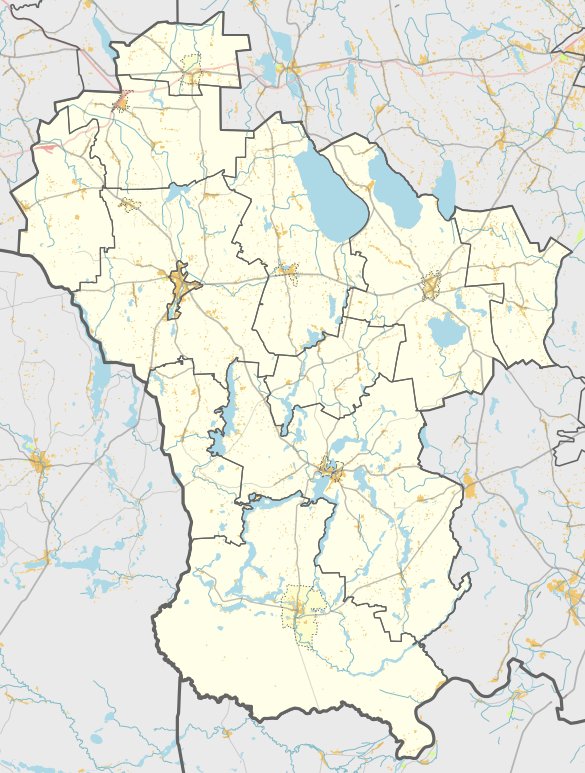
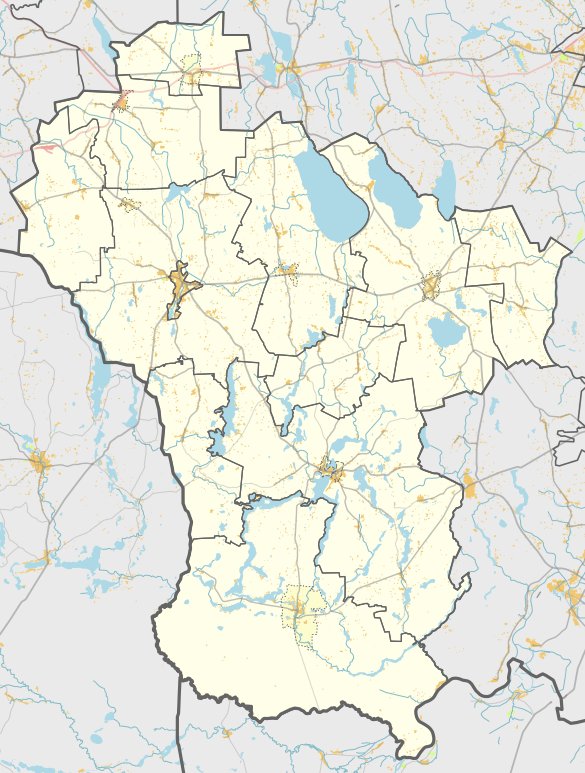
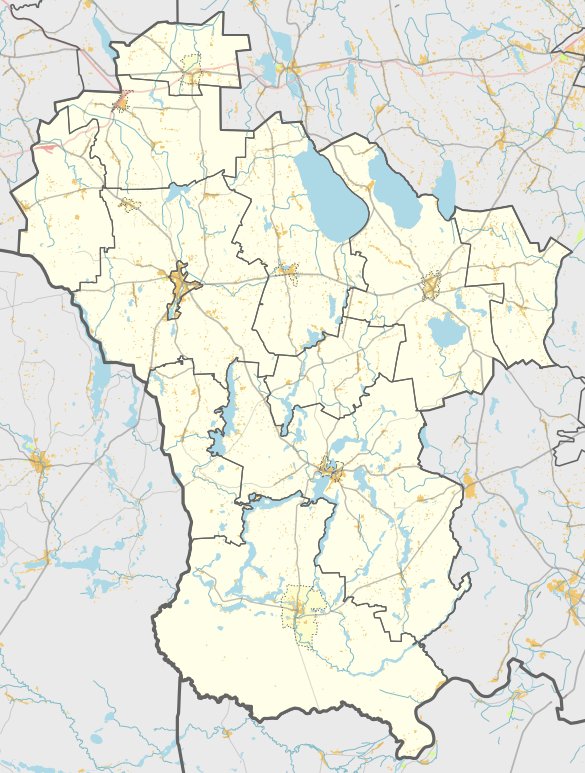
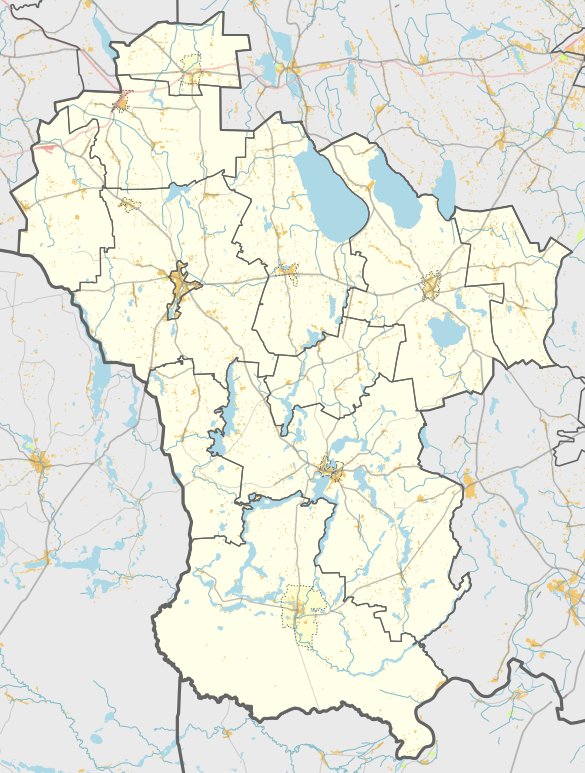
The archaeological complex of Elveriškės piliakalnis su gyvenviete, also known as Eglynkalniu, is a hillfort and pagan settlement located in the northwestern part of the Lazdijai district. The site spans 228 meters in length and up to 166 meters in width. In the western part of the territory, the hillfort named Eglynkalniu sits where a marshy area once existed, while the eastern part preserves the cultural layer of a pagan settlement now left uncultivated.
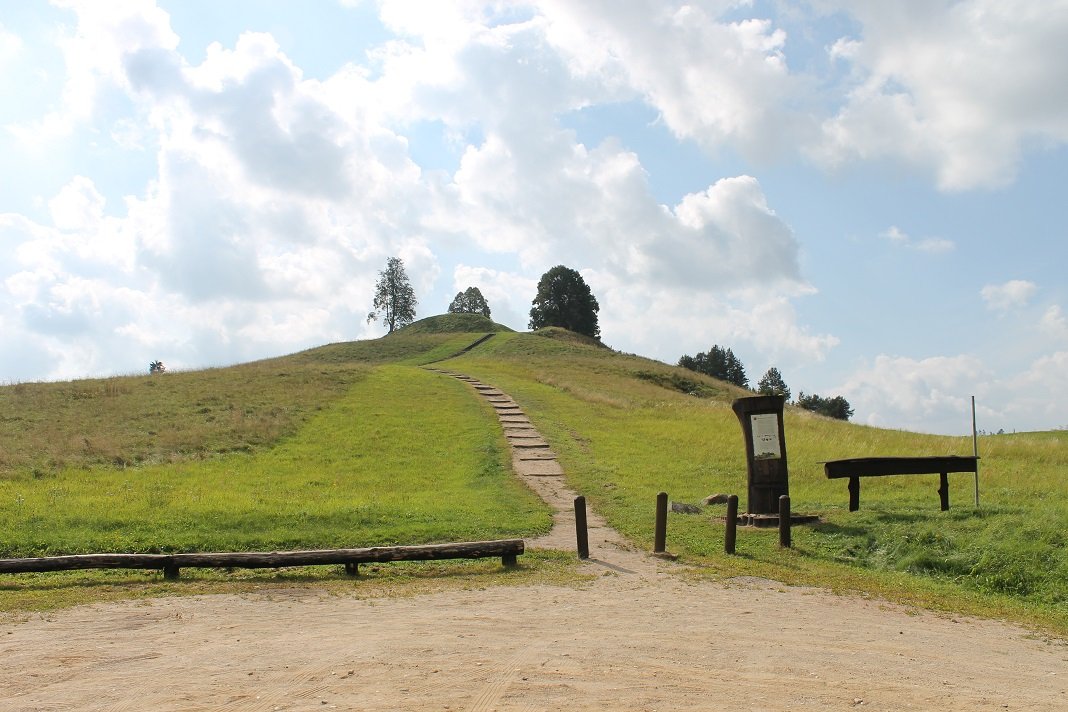
The hillfort is situated on a separate hill. The slopes rise to 5 meters on the eastern and southern sides, and up to 12 meters on the western and northern sides. An oval-shaped courtyard, 16 meters long and 9 meters wide, is situated in the north-east to south-west direction. It is surrounded by a rampart that reaches 1.5 meters in height and 12 meters in width at its north-east and south-west ends, 2.5 meters high and 16 meters wide on the east-southeast side, and up to 0.5 meters high elsewhere.
In the southern, eastern, and northern parts, 3 meters below the rampart, lies a terrace 13 meters wide. In the south-western part of this terrace, there is a trench 6 meters wide and 1.5 meters deep, closed by a rampart 0.5 meters high and 5.5 meters wide. The hillfort is surrounded by plowed land, and a historical archaeological marker is carved into the southern pagan settlement. The complex dates from the 1st millennium to the 13th century.
In 1972, the hillfort was declared a republic-level archaeological monument. In 1992, it was entered into the list of history and culture monuments of the Republic of Lithuania. In 1997, it was registered in the list of archaeological sites in the register of cultural values, and in 1998, the complex was declared a cultural monument. In 2004, it was recognized as a complex of cultural heritage objects protected by the state.
Sources: Wikipedia, OpenStreetMap, Wikidata, Wikimedia Commons
Written by Nicolo Ciampini
Discuss this with the author and others
No comments yet. Be the first to start the conversation.