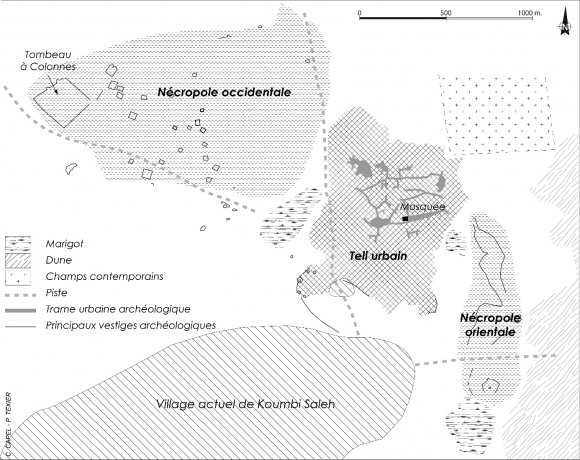

Within the parched heat of the Sahel, the stones of Koumbi Saleh hold the ruins of a city that may have been the capital of the Ghana Empire. Located in south east Mauritania, the site was occupied between the late 5th and 14th centuries, with its urban period extending approximately from the 11th to the 14th centuries.
Chroniclers of the middle ages spoke of a settlement divided into two lives. One half served as a hive for Muslim traders, boasting twelve mosques and wells of sweet water. The other half lay ten kilometres away as the king's private domain, where a domed palace stood and sorcerers dwelt in the thickets to serve religious cults.
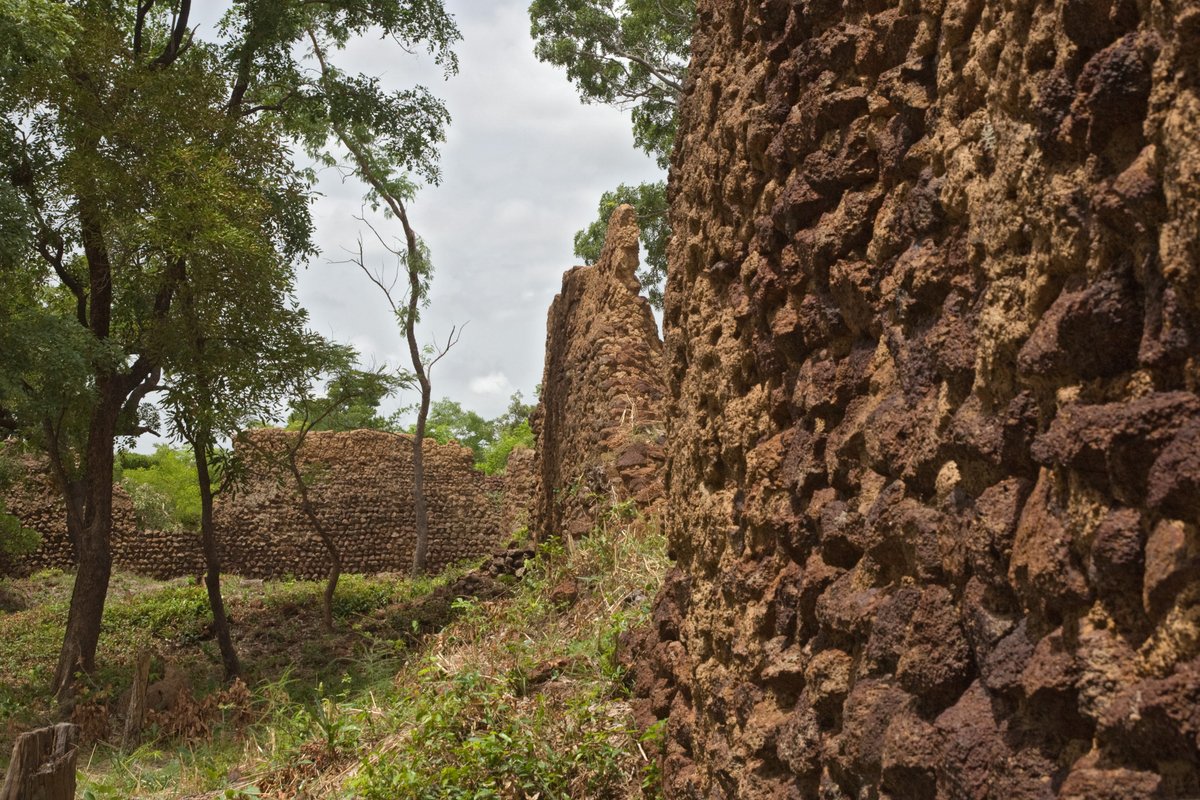
When French explorers traced the name Koumbi through a 17th-century chronicle, they sought the city amidst the wreckage of time. They unearthed a large town of stone and acacia wood built for the Muslim faith, yet the king's palace remains concealed. Some scholars suggest the capital may have been moved south toward the Niger River, while others argue that the site represents the Berber town of Awdaghost.
In this modern commune, the site endures as a significant archaeological site. One may wander across the foundations of the ancient mosques, yet no inscription remains to unambiguously identify the ruins as the capital of the Ghana Empire.
Sources: Wikipedia, OpenStreetMap, Wikidata, Wikimedia Commons
Written by Mutabor
Discuss this with the author and others
No comments yet. Be the first to start the conversation.