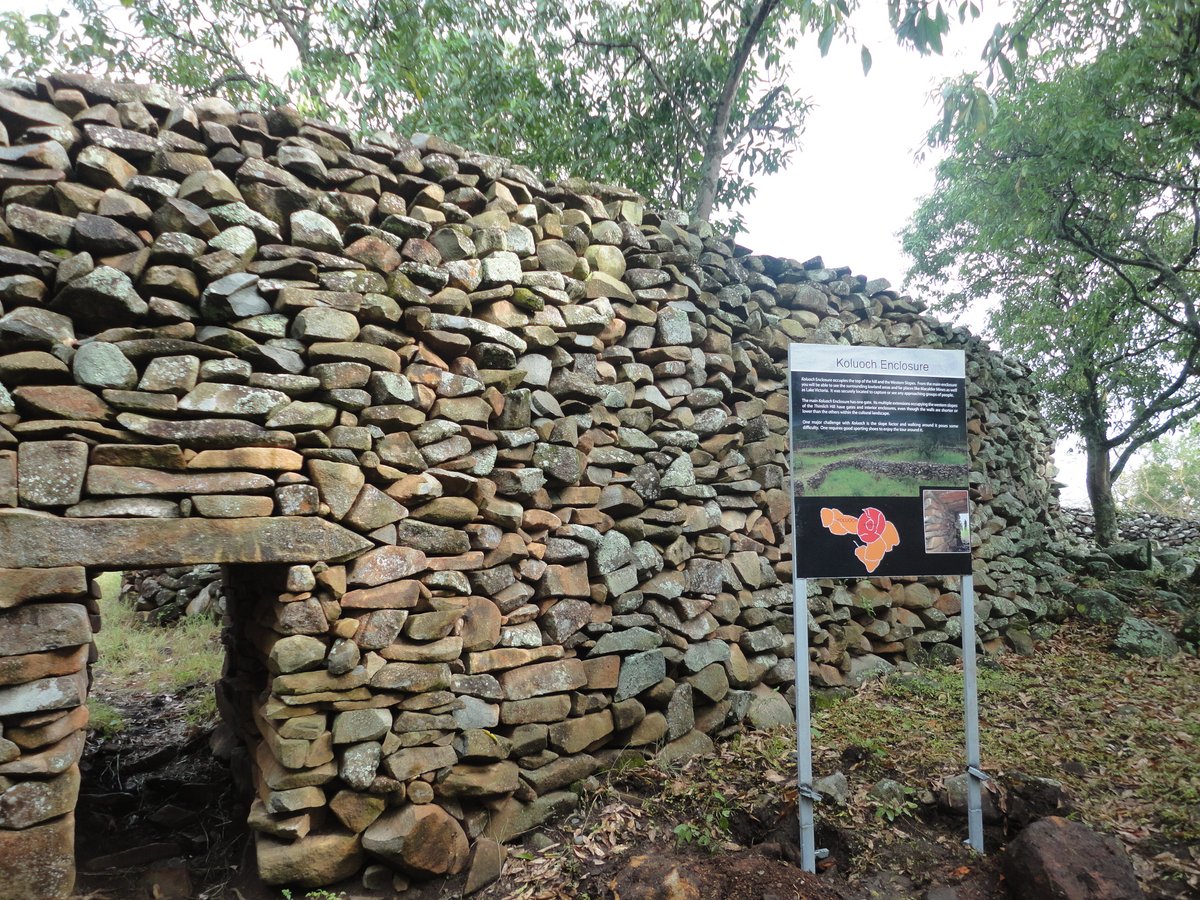

Thimlich Ohinga, a structure of a time left unmarked by kings or emperors, lies in Kenya, deep by the tranquil waters of Lake Victoria. The borderlands of a forgotten epoch, the mystery that swirls around this ancient Luo site surpasses the grandeur of even the most resplendent medieval castle. The Luo people, who once roamed these lands, constructed Thimlich Ohinga with untouched, undressed stones, a story now vanishing into the sands of time. Among 138 such stone-built sites in the region, Thimlich Ohinga stands the largest.
Tradition holds that it was built around the 15th century for protection, boasting walls that curve, zigzag and intersect, each stone a silent sentinel from an age long past. The walls can reach a staggering height of 4.5 meters. The builders of old may have employed a design to deter enemies from assailing their stronghold, the walls being left freestanding. Reportedly, the people of Thimlich Ohinga dug deep pits where they kept their weapons, ready for the war's call.
The main structure has three entryways and a watchtower, constructed of raised rocks, positioned immediately post haste after the first gate. The fortress, divided into corridors, smaller enclosures, and depressions, contains five enclosures and six house pits within the main monument. Historians still debate the purpose of Thimlich Ohinga, with some suggesting it served as a protection against wildlife and adversaries, while others propose it was a bustling hub for economy, religion, and social interaction.
Formerly known as 'Liare Valley', it was renamed Thimlich Ohinga in 1981 to reflect its historical significance. The Luo people still occupy the area, commerce remaining a vital activity. However, Thimlich Ohinga faces an uncertain future as the threat of climate change and modern development casts a dark shadow.
Sources: Wikipedia, OpenStreetMap, Wikidata, Wikimedia Commons
Written by Mutabor
Discuss this with the author and others
No comments yet. Be the first to start the conversation.