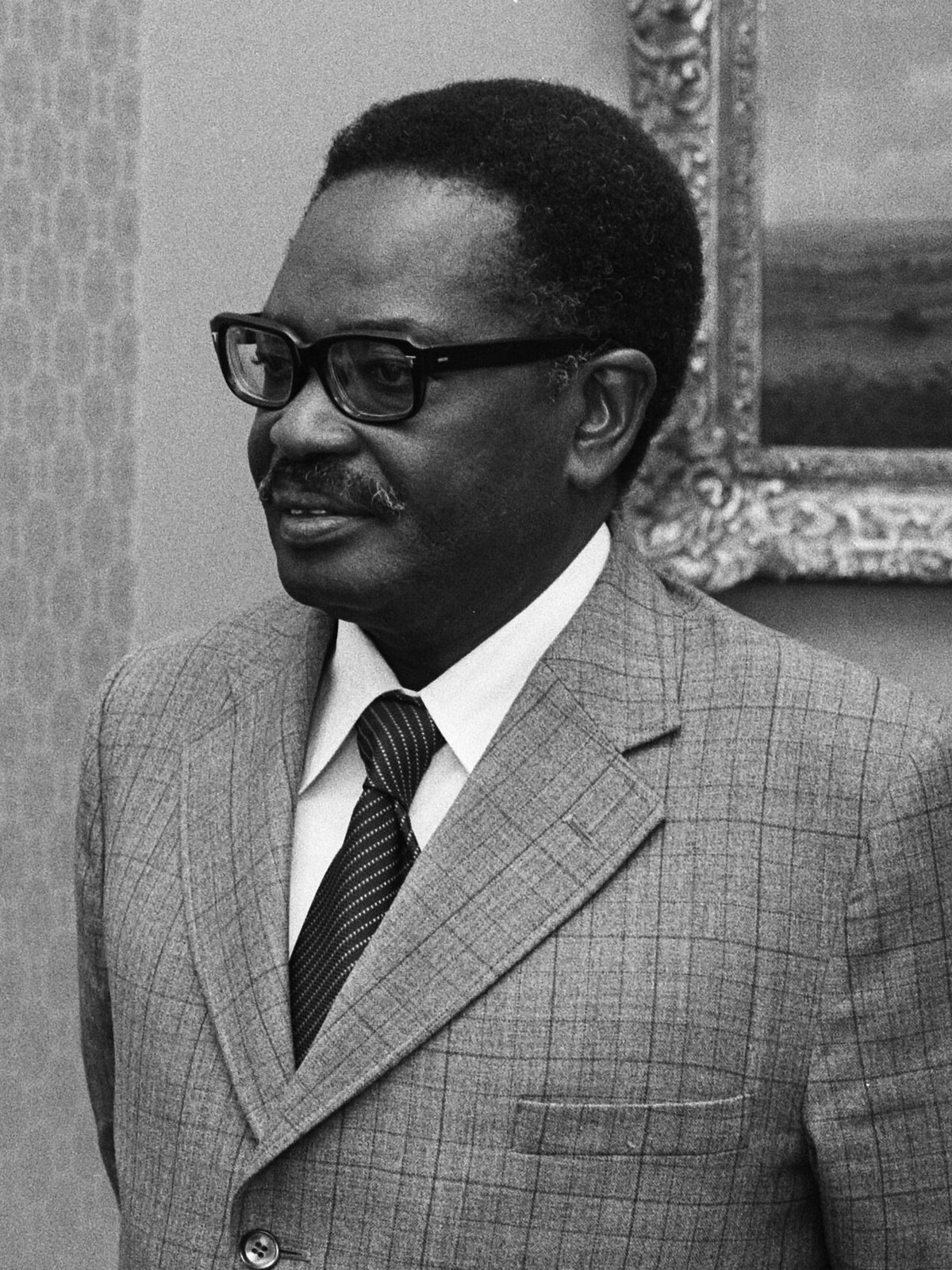

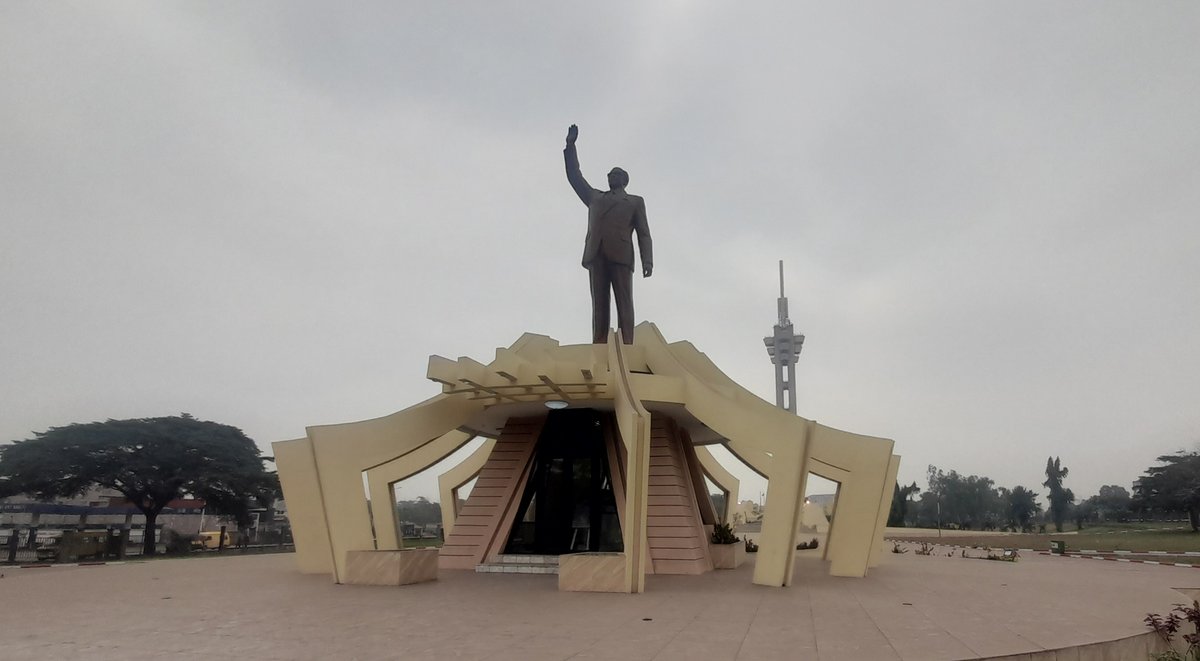
In the center of Praça da Independência stands a bronze figure of Agostinho Neto. He was a man of two worlds - a medical student in Lisbon and Coimbra who spent his nights weaving covert revolutionary political activity into the fabric of his studies. After working in colonial health services, he eventually assumed leadership in the armed struggle against colonial rule.
His path was paved with iron bars. The Portuguese security police arrested him four times, but his spirit proved harder to cage. When he escaped into exile, he adopted a pseudonym for his work as a writer. He called himself Manguxi Kilamba, a Kimbundu term meaning immortal guide, conductor of the spirit of the people, or wisest among men. This name would eventually become part of his given name starting in 1976, a permanent mark of his journey from a student to a revolutionary leader.
He sought allies in Washington, D.C, but they turned him away because of oil interests in colonial Angola. He found kinship instead with rebels in Havana, where he shared ideological views with Fidel Castro. After leading the MPLA to power in 1975, he became the nation's ruler, established a one-party state, and made Marxism-Leninism the official doctrine.
Today, the bronze sculpture remains in the public square. It stands as a silent keeper of the history of a poet who rose from the dust of colonial rule to become the nation's preeminent poet and first president.
Sources: Wikipedia, OpenStreetMap, Wikidata, Wikimedia Commons
Written by Mutabor
Discuss this with the author and others
No comments yet. Be the first to start the conversation.