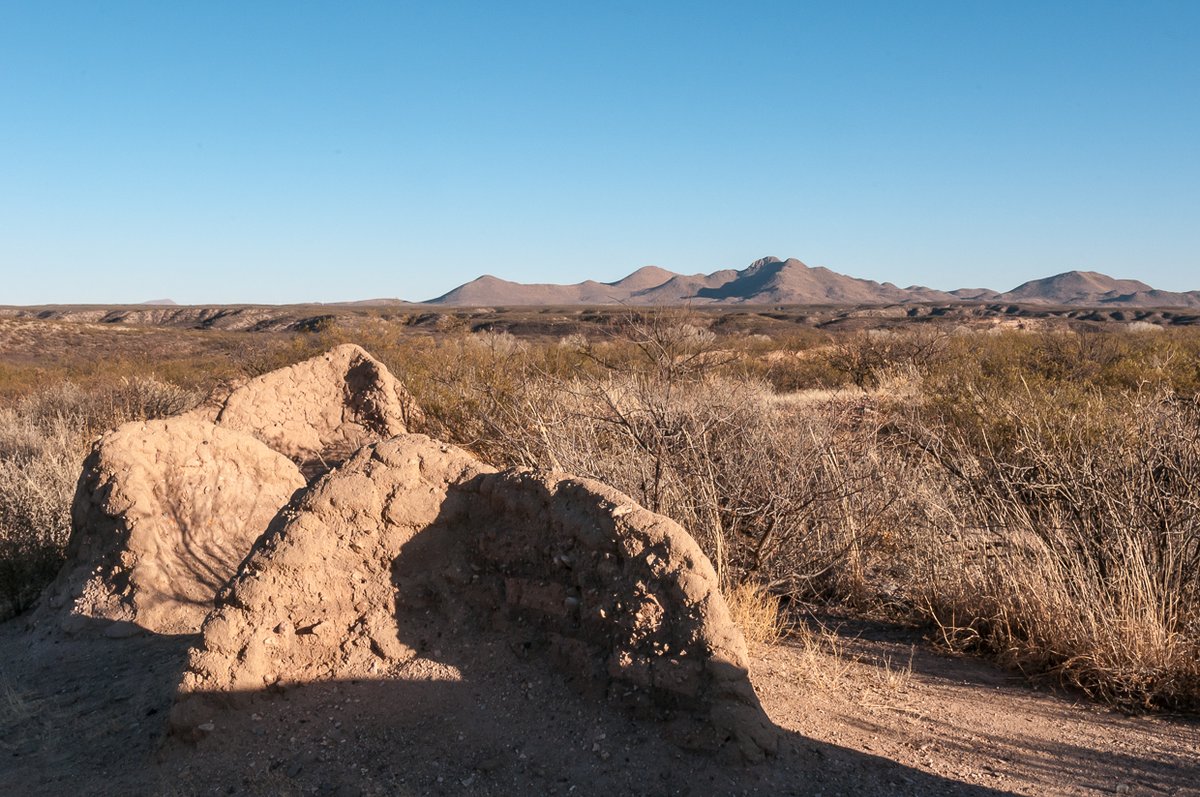

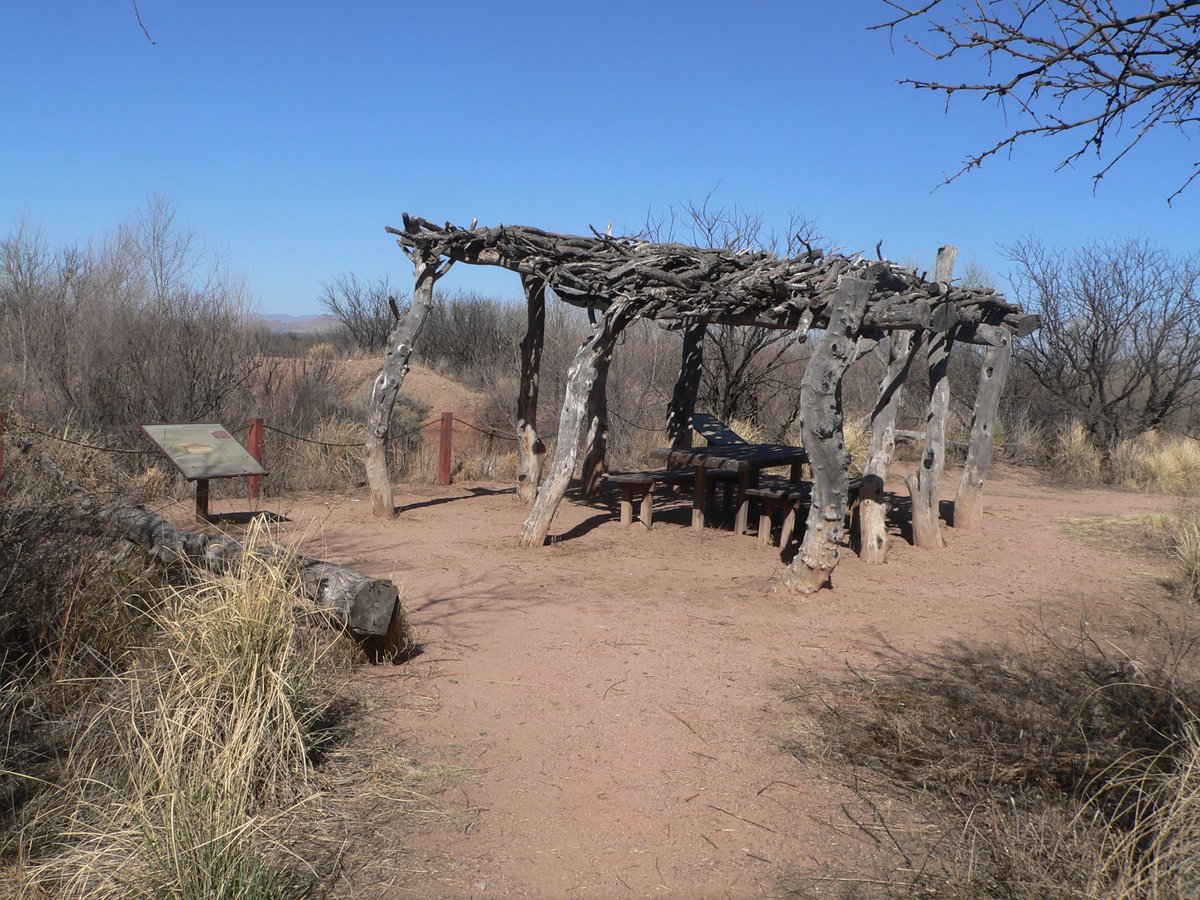
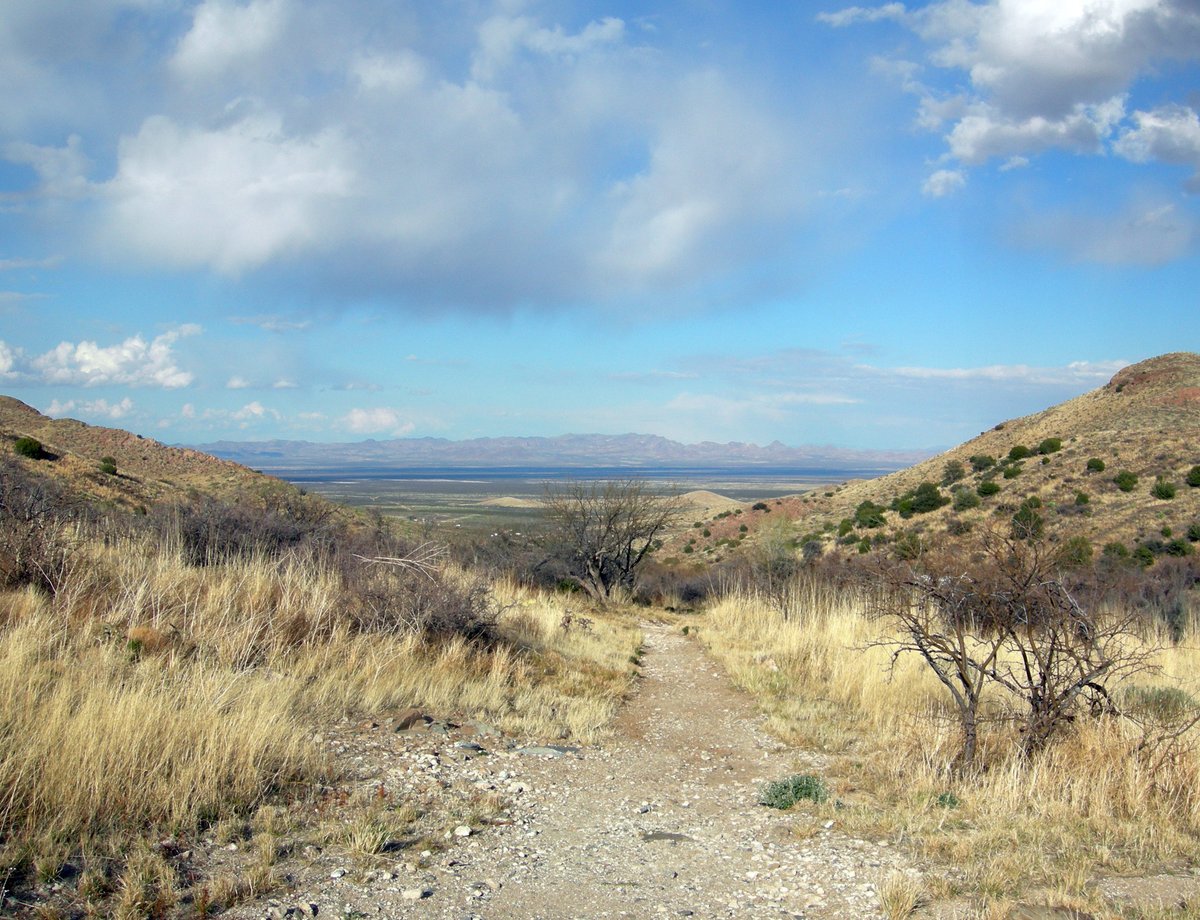
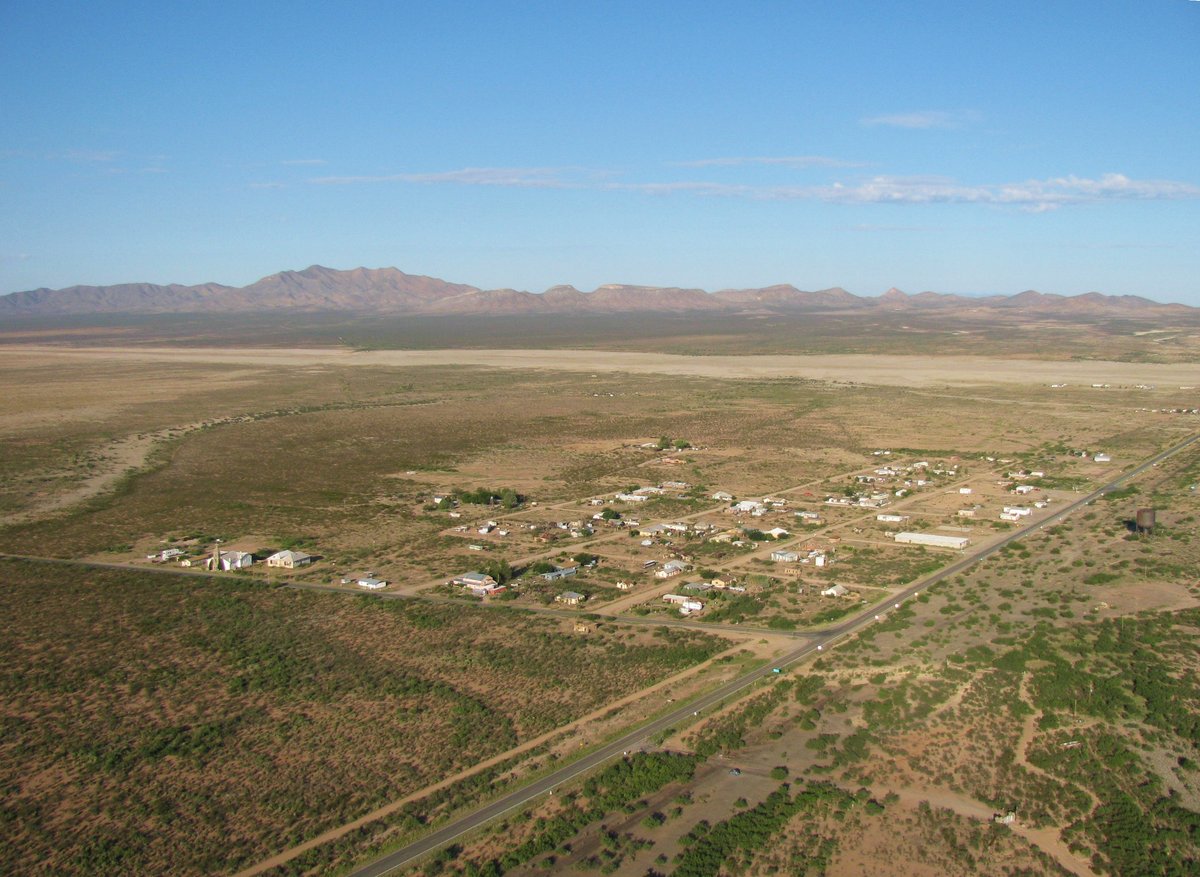
Way back in 1775, Spanish Colonel Hugo O'Conor, under the orders of King Charles III, moved the Presidio Santa Cruz de Terrenate to a bluff overlooking the San Pedro River, west of the town of Tombstone, Arizona. The grand plan was for the presidio to serve as one link in a chain of forts extending from Los Adaes in the east to Alta California in the west. Excavations from 2007 to 2010 yielded evidence that the presidio was indeed constructed upon a pre-existing Sobaipuri site, though historical documents indicate it was not Quiburi. These excavations also revealed prehistoric Hohokam pottery fragments and Archaic arrowheads and tools.
Clearly, this presidio faced many difficulties from the start. Its construction was plagued by corruption, and the garrison faced a lack of crops, raids on horse herds, surprise attacks on mule trains, and recurrent attacks by Apache warriors. These factors led to the abandonment of the garrison in 1780. The fort was briefly occupied by the United States Army in 1878, only to be abandoned later that same year.
This site provides a window into the history of the region, from its pre-existing Hohokam and Sobaipuri occupations to the Spanish military's presence in the 18th century. While there were long-standing debates over which specific Sobaipuri village the fort sat upon, the site remains a significant point of archaeological study.
Sources: Wikipedia, OpenStreetMap, Wikidata, Wikimedia Commons
Written by Friendly Jane
Discuss this with the author and others
No comments yet. Be the first to start the conversation.