
In 1966, archaeologists C. Vance Haynes and Peter Mehringer of the University of Arizona discovered Murray Springs while mapping the area near the Lehner Mammoth Kill Site. They identified the location as a Clovis hunting camp from approximately 11,000 years BP. The site is unique for the massive quantity of large megafauna processing and extensive tool making. Supported by funding from the National Science Foundation and the National Geographic Society, excavations from 1967 to 1971 revealed the site's significance.
Significant artifacts found during these excavations included hearths, a bone tool believed to be a shaft straightener, projectile points, lithic tools, and debitage. The five buried animal kills and processing locations at the site contained bones of mammoth, bison, horses, camels, canids and rodents. While the primary focus is on the Clovis culture, a worker also found a single pot sherd on the surface associated with the period of 1300 to 1450 CE, suggesting the spring has been used by people over an extended period.
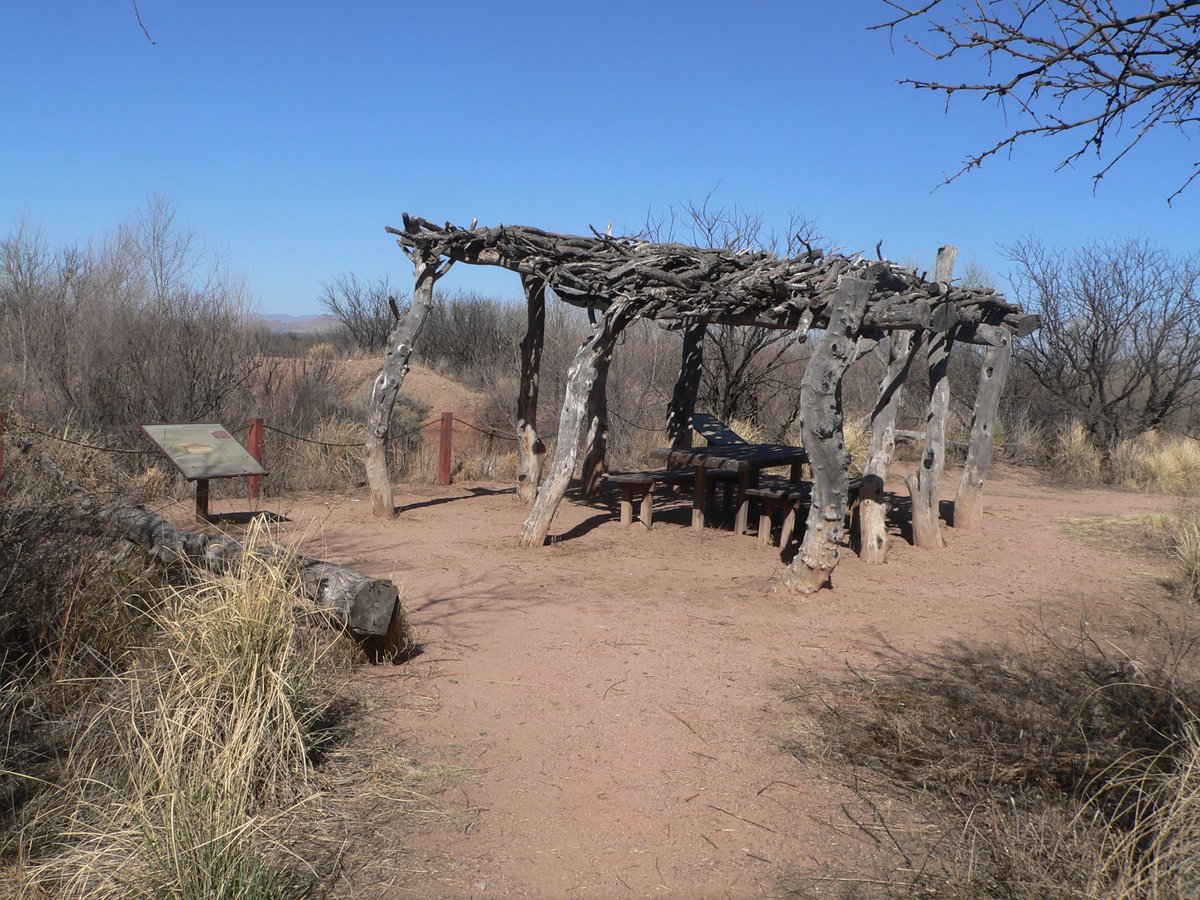
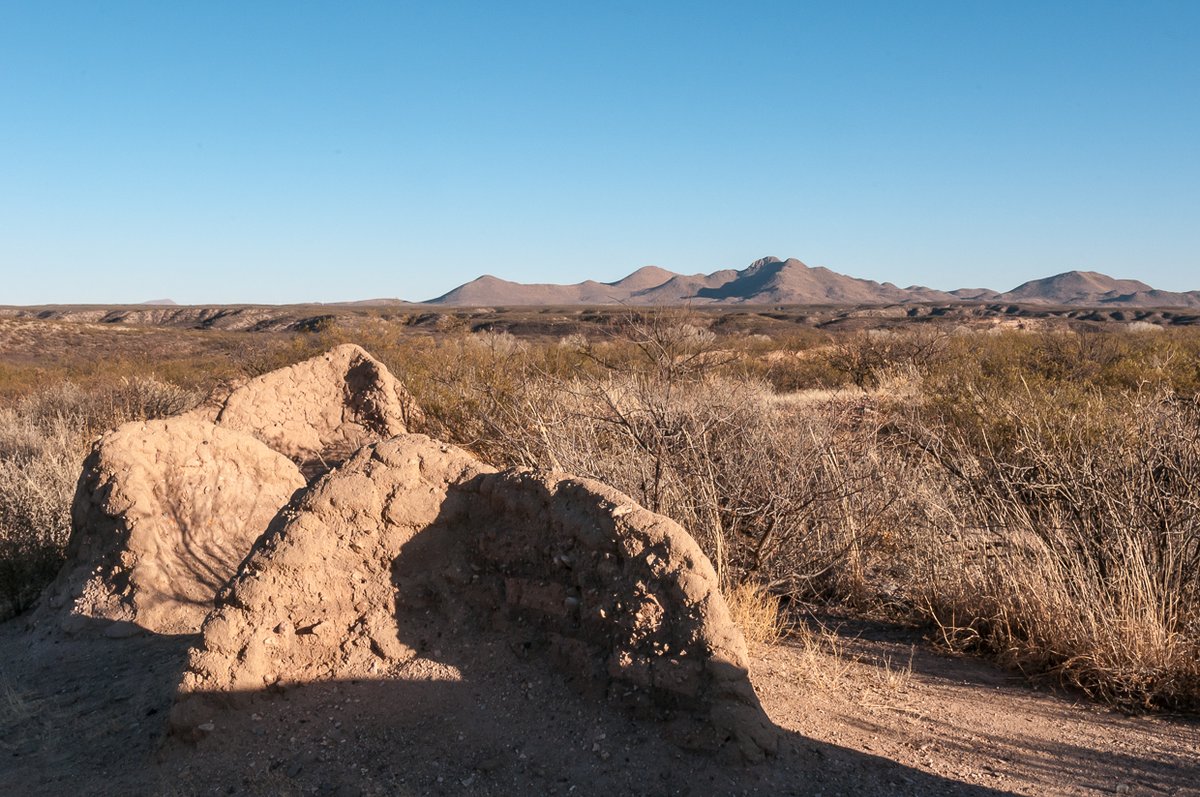
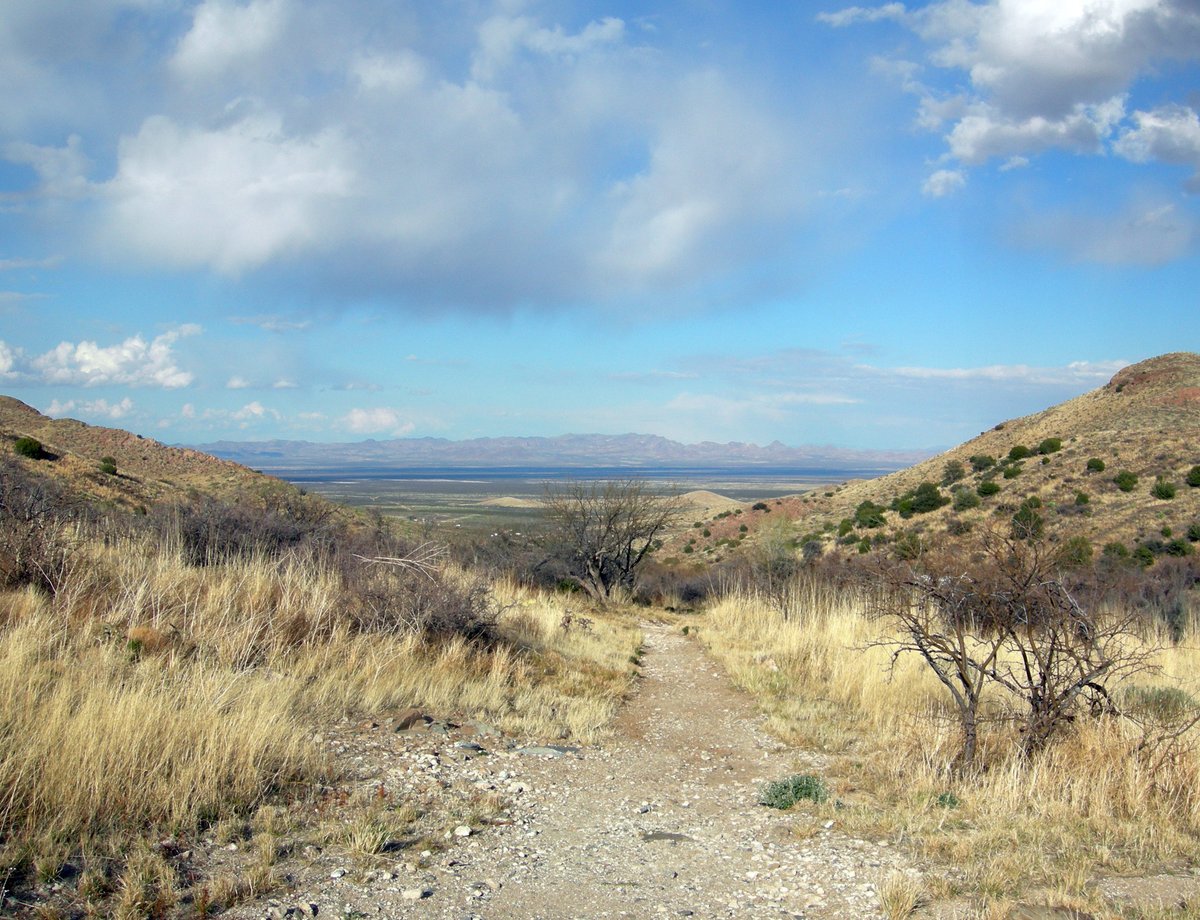
Located in the San Pedro Riparian National Conservation Area, Murray Springs is overseen by the Bureau of Land Management. The U.S. Government declared it a National Historic Landmark in 2012. The site is part of a region rich in Clovis culture sites, situated within a 50-mile radius of nearly a dozen other locations. Today, the site features a parking area and an interpretive trail for visitors to explore the history of the San Pedro River Valley.
Sources: Wikipedia, OpenStreetMap, Wikidata, Wikimedia Commons

Written by Friendly Jane
Discuss this with the author and others
No comments yet. Be the first to start the conversation.