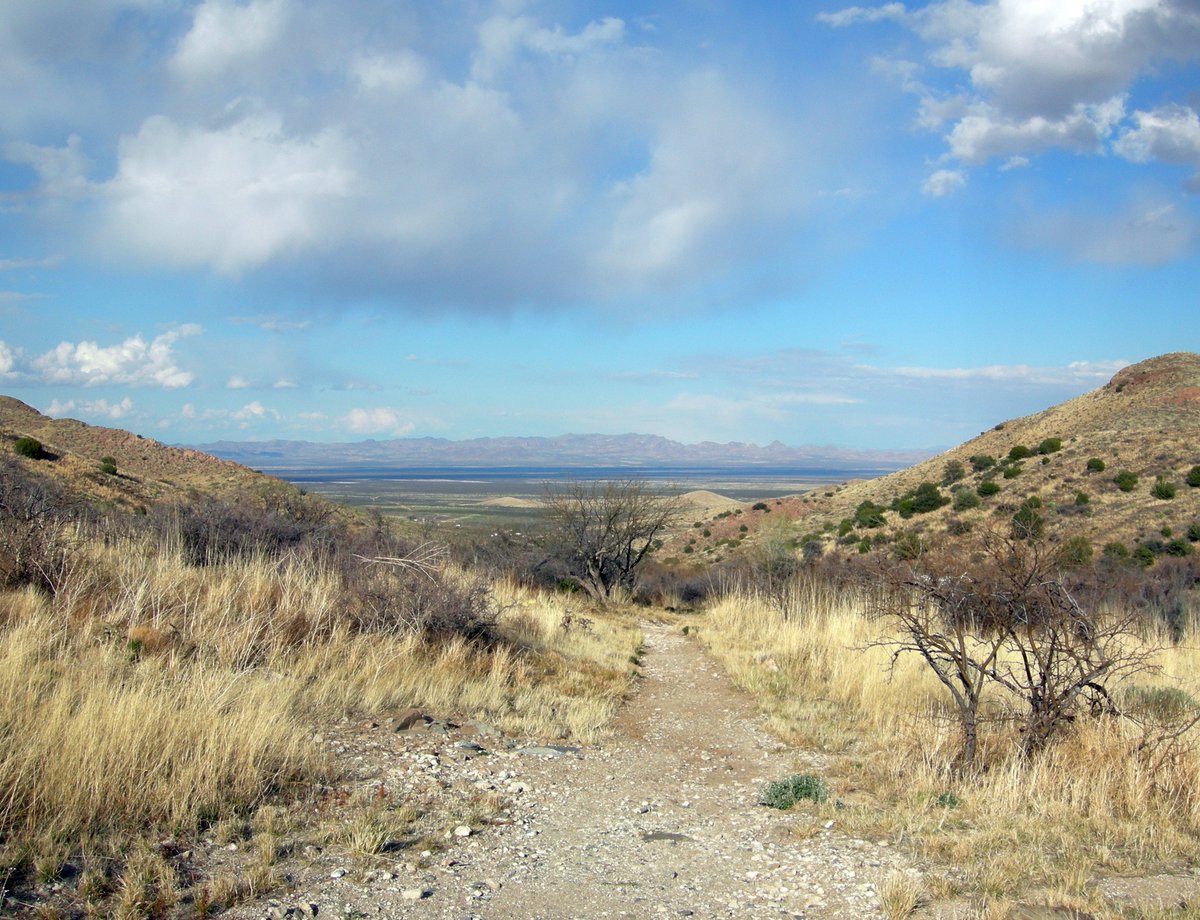

It was a scorcher of a July in 1862, and Colonel James H. Carleton, a shrewd old bird, ordered the boys from Fort Yuma to make tracks towards Tucson. That was a smart move, if you ask me, to secure the surrounds from those Confederate rascals. After a spot of trouble, the Union lads took control of Tucson, and Carleton had a notion up his sleeve – to nab New Mexico via the not-so-popular Apache Pass. To scope it out, he sent Captain Thomas L. Roberts and his gang eastbound.
Roberts and his crew were as cool as cucumbers, drying up the San Pedro River before reaching Dragoon Springs, 28 miles away. Not the easiest decision for a hot-blooded chap, but they were faced with a dilemma – trek back to safety in Tucson or plow on to Dragoon Springs. On the 15th of July, under the cloak of twilight, Roberts pitched camp somewhere near Apache Pass, a desolate expanse of dirt straddling the border of Arizona and New Mexico. The perfect ambush spot, if you ask me, and the Apache leaders, Mangas Coloradas and Cochise, were just as eager.
Roberts was the adventurous type, and he didn't back down but plumped for a fisticuff, knowing it might cost a few men. The Apaches made the most of Roberts' predicament, constructing a stone breastwork, attacking just as he kicked off the battle. The initial combat was tough on the Union troops, with their foes hidden behind the rocky barricade. Undaunted, Roberts gave the order to withdraw, pulling back to the mouth of Apache Pass. But Roberts wasn't one to wave the white flag.
He had to make sure his boys had water, so he rolled out the big guns – the mountain howitzers – targeting the Apache position for an advance. The skirmishers were hiding in an abandoned Butterfield Overland Mail station and moved in on the spring, heavily guarded by their artillery. As the advance resumed, Roberts' men were ambushed again, this time by hidden Apache riflemen. The Union troops took a licking, but Roberts never batted an eyelash. He found an opening and, with the artillery now in range, started firing on the Apache position.
The Indians held their ground until nightfall, discouraging the Union troops from withdrawing again, enabling the Union troops to finally slake their thirst at the spring. Two of Captain Roberts' men lost their lives, and three were wounded in the spring struggle. Roughly 10 Apaches were reported killed, according to a report Colonel Carleton submitted to Colonel Richard C. Drum on September 20, 1862. Today, Fort Bowie National Historic Site keeps the battleground and fort as good as new, and you can climb aboard a time machine to visit the scene of the Battle of Apache Pass. But remember: it's not a place for the featherweight.
Sources: Wikipedia, OpenStreetMap, Wikidata, Wikimedia Commons
Written by Friendly Jane
Discuss this with the author and others
No comments yet. Be the first to start the conversation.