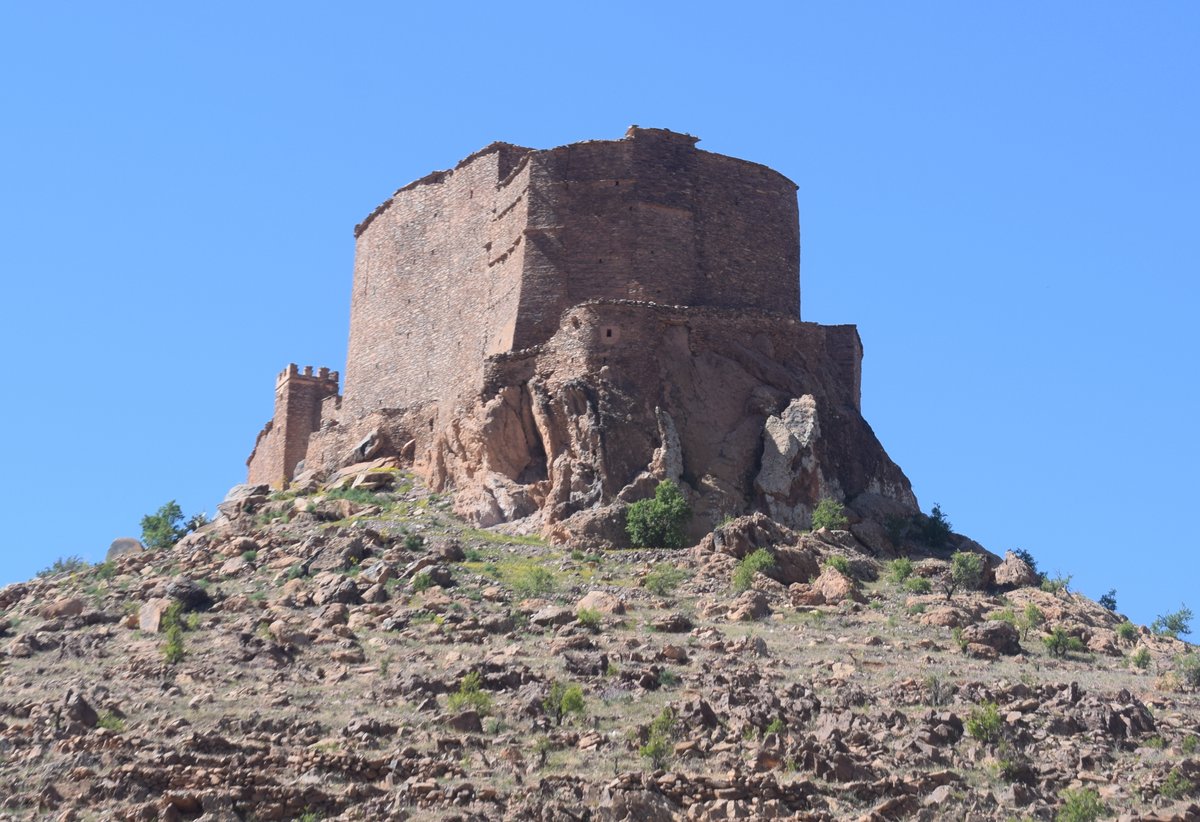

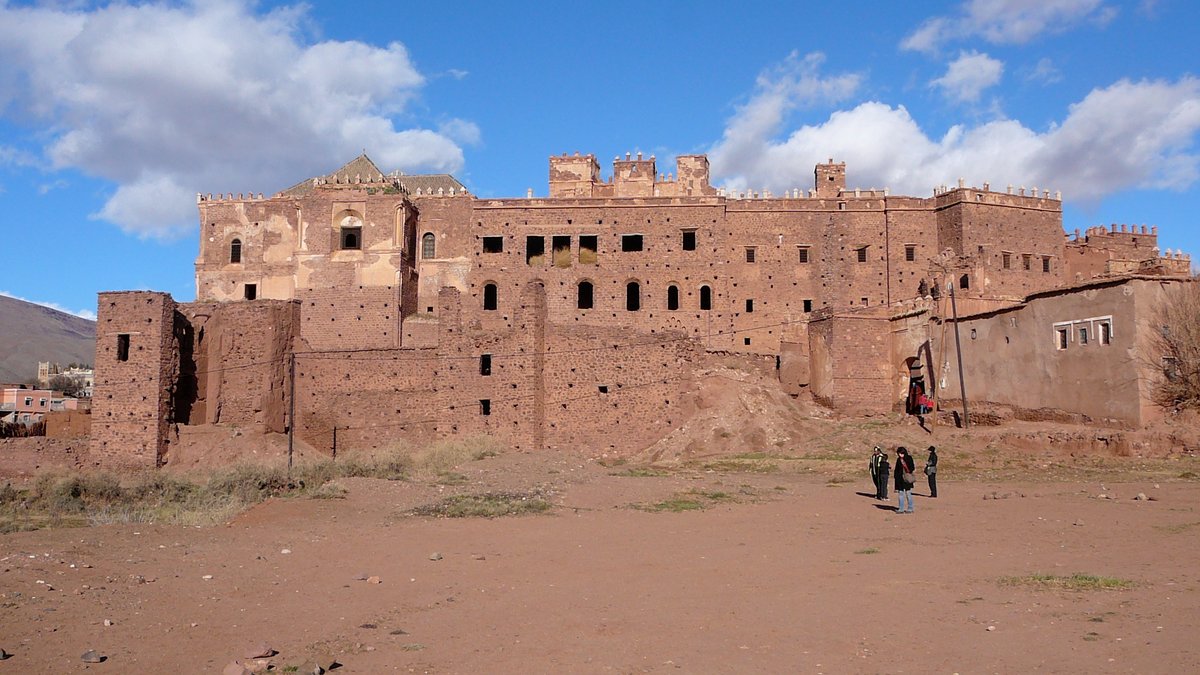
Upon a rock base, the Tasguent agadir is a fortified collective granary built in stages between 1200 and 1500. It was fashioned to shelter the crops and possibly the inhabitants from attacks.
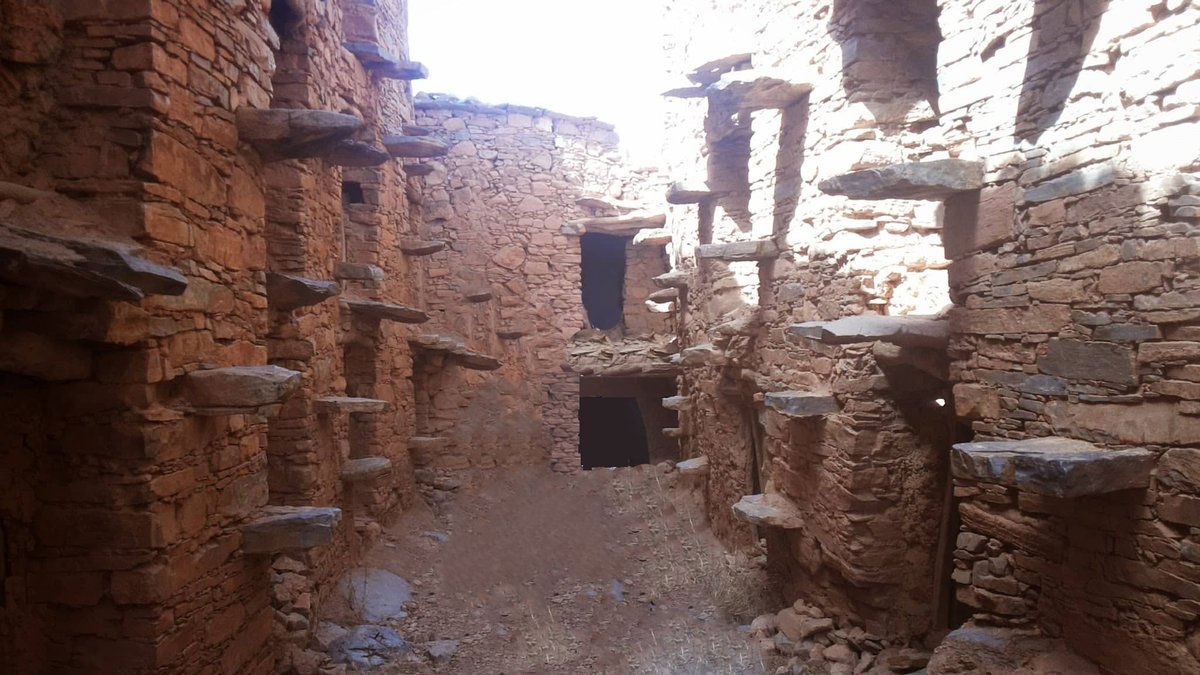
Within its walls, individual granaries are lined up side by side and one above the other in three to six stories. Each storage cell is closed by a wooden door, which is often decorated and usually has an opening allowing for the free movement of cats to ensure a low rodent population. The cells are separated from each other by stone partitions while the oldest walls are estimated to be between 500 and 800 years old.
While other adobe constructions in southern Morocco became useless, the Tasguent agadir was possibly used by inhabitants for various purposes in the 19th and 20th centuries. It served as the main life center for local tribes before the pacification and food situation improvements of the colonial period. Now it remains one of the best preserved agadirs of the Anti-Atlas, where visitors may see the forecourt once used for livestock and the stone steps leading to the upper floors.
Sources: Wikipedia, OpenStreetMap, Wikidata, Wikimedia Commons

Written by Mutabor
Discuss this with the author and others
No comments yet. Be the first to start the conversation.