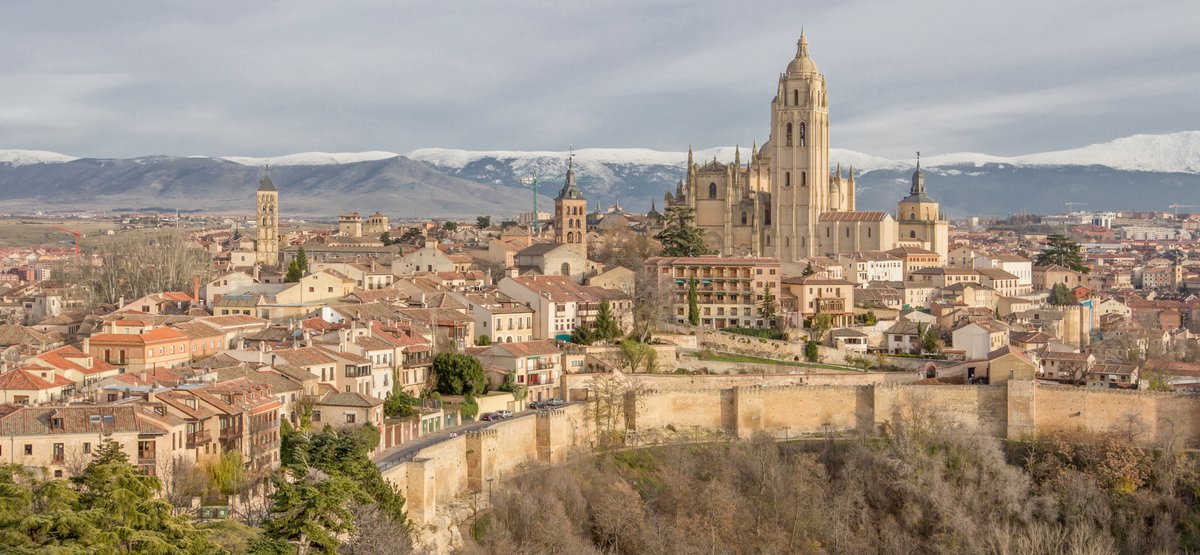

Segovia is a city in the autonomous community of Castile and León, Spain, located in the Inner Plateau of the Iberian Peninsula. The city sits on a bend of the Eresma river and is famous for its historic buildings, including its midtown Roman aqueduct, its cathedral, and the Alcázar of Segovia. The city center was declared a World Heritage Site by UNESCO in 1985.
The first recorded mention of a settlement in what is today Segovia was a Celtic possession, which later passed into the hands of the Romans. The city is a possible site of a battle in 75 BC where Quintus Caecilius Metellus Pius was victorious over Quintus Sertorius and Hirtuleius. After the conquest of Toledo by Alfonso VI of León and Castile, Segovia was resettled with Christians from the north of the Iberian peninsula and beyond the Pyrenees.
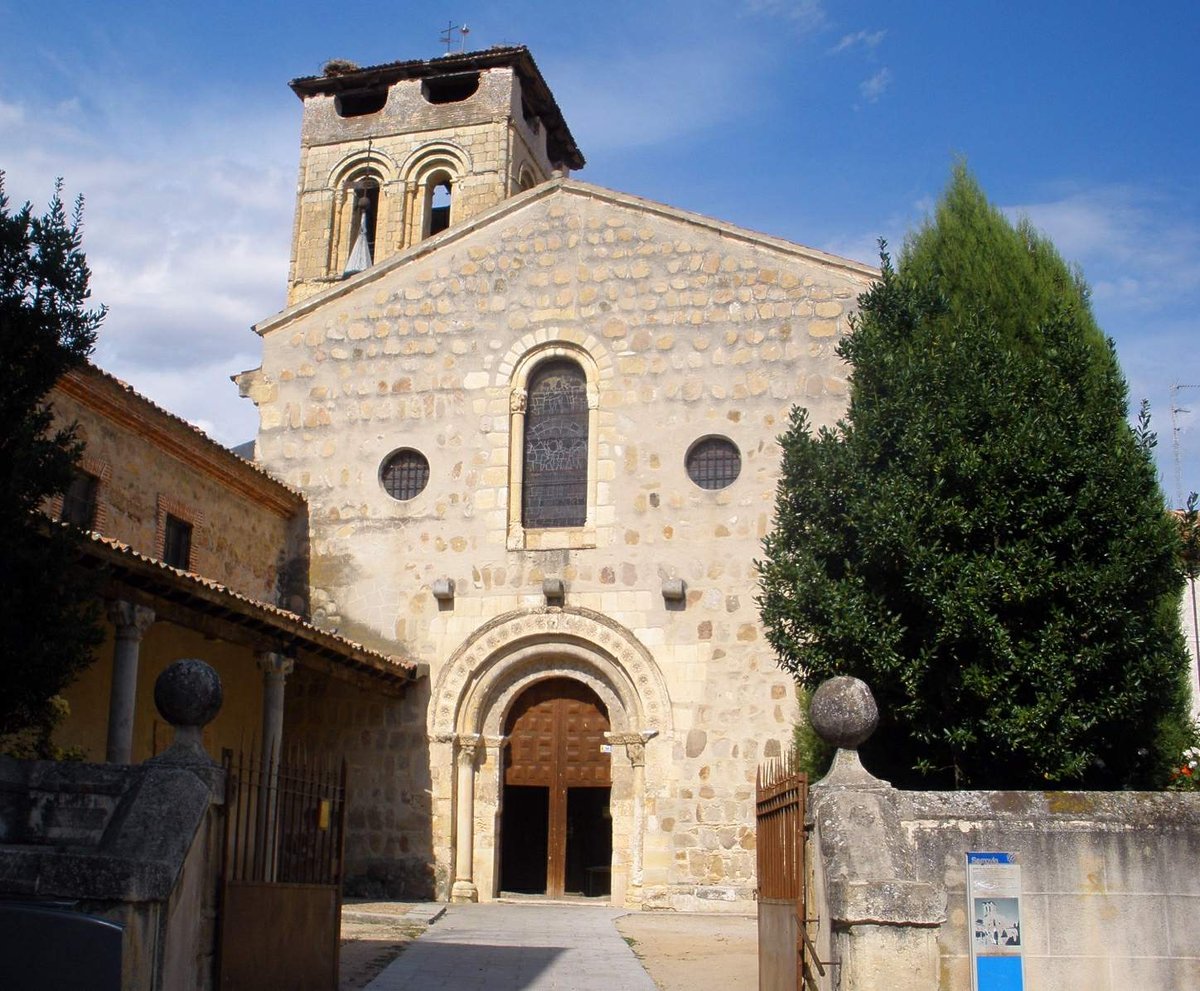
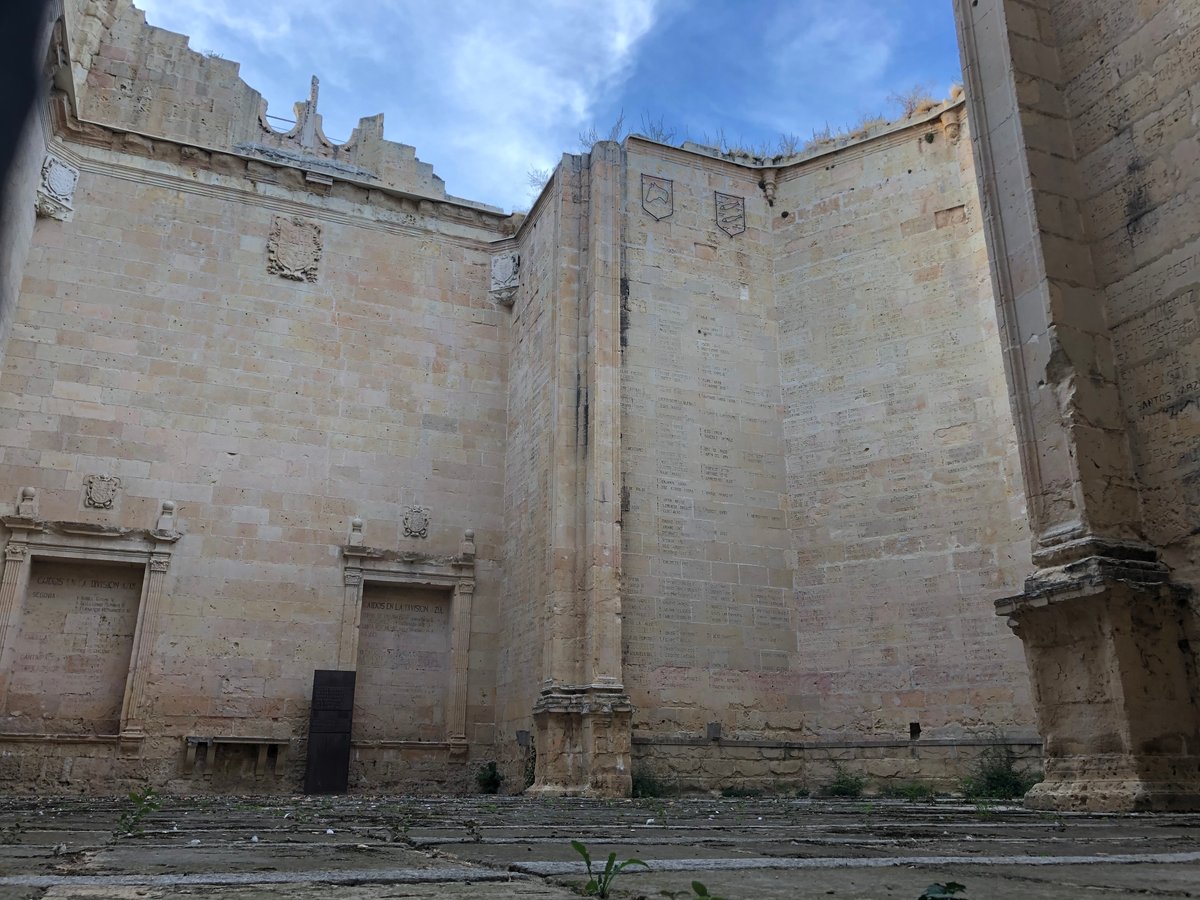
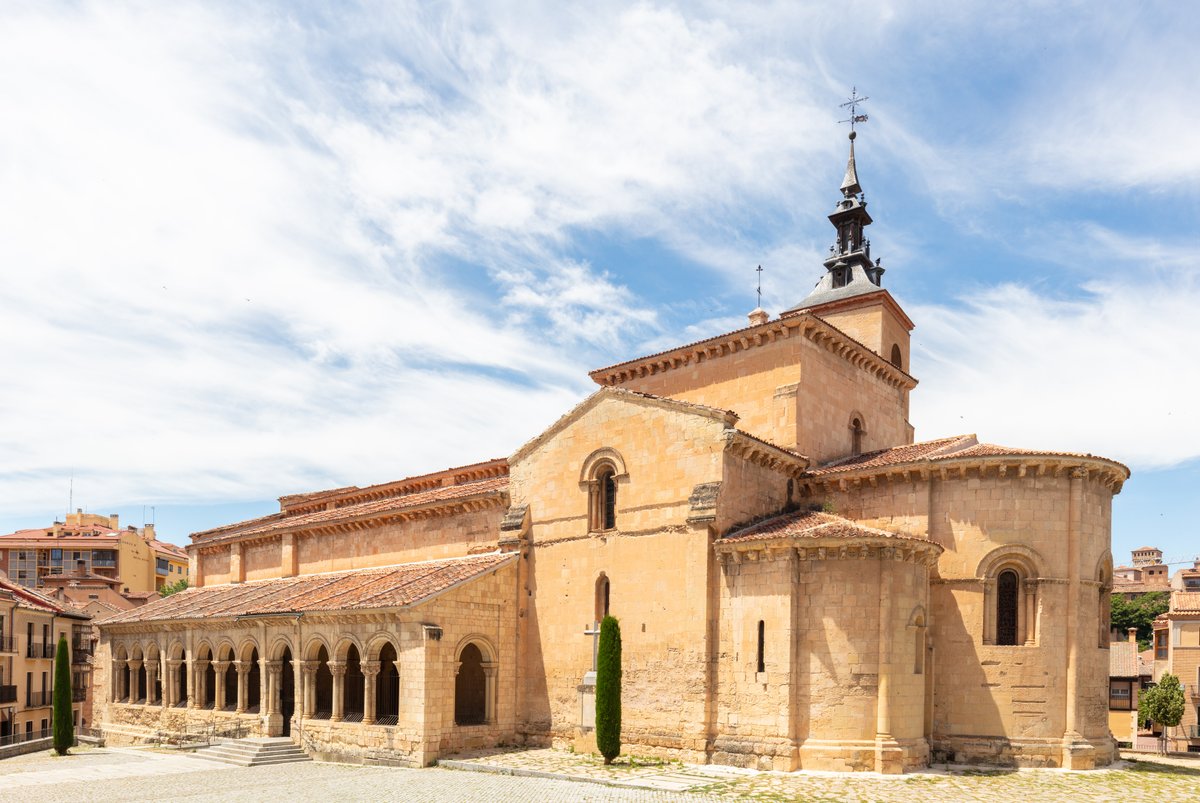
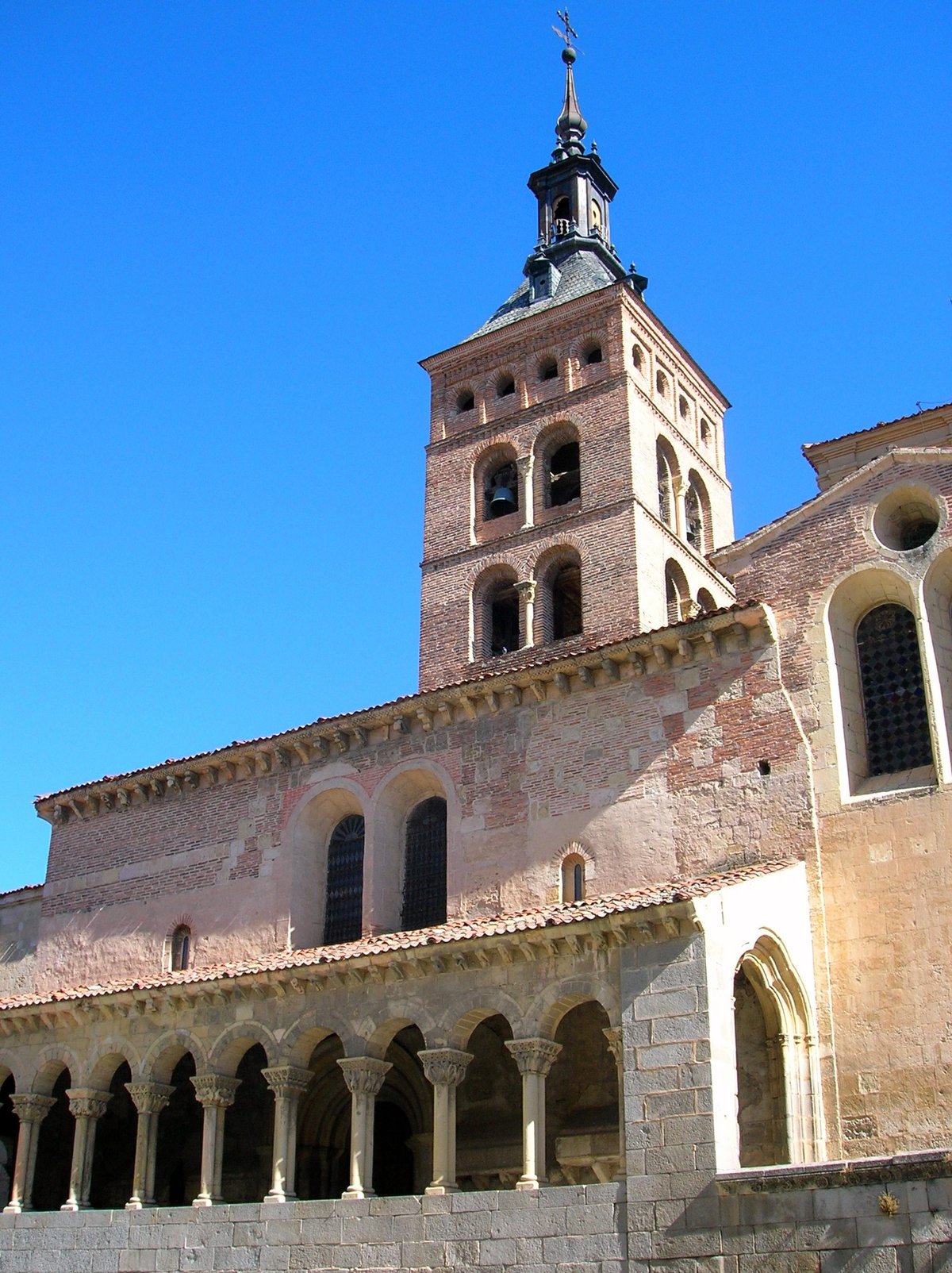
During the Middle Ages, Segovia became an important centre for wool and textiles. In 1474, Isabella I was proclaimed queen of Castile in the church of San Miguel de Segovia. While the city experienced a period of decline starting in the 16th century, the Royal School of Artillery, the first military academy in Spain, was opened in 1764 and remains in the city today.
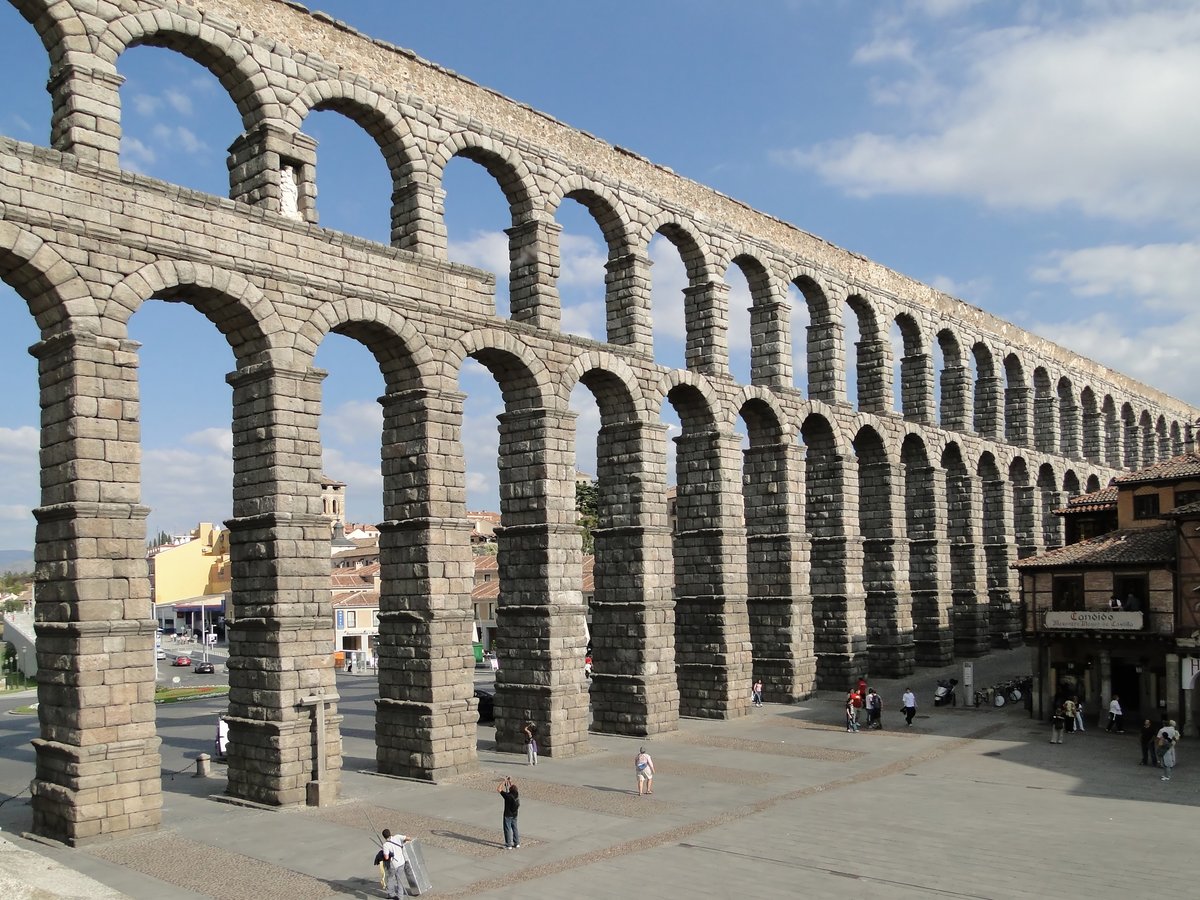
The Aqueduct of Segovia is the defining historical feature of the city. Located in Plaza del Azoguejo, it consists of about 25,000 granite blocks held together without any mortar, spanning 818 meters with more than 170 arches. The Alcazar of Segovia, a royal palace built on a stone peninsula between the rivers Eresma and Clamores, was documented for the first time in 1122. It was a favoured residence of Alfonso X the Wise and Henry IV, and it now houses the General Militar de Segovia archive and the museum of the Royal School of Artillery.
Sources: Wikipedia, OpenStreetMap, Wikidata, Wikimedia Commons
Written by Nik Frost
Discuss this with the author and others
No comments yet. Be the first to start the conversation.