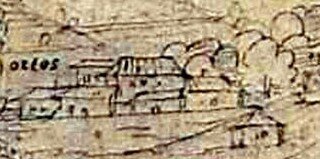

For centuries, the monastery of Santa María de los Huertos existed in a persistent struggle against the Eresma river. Located on the northern bank of the valley at the foot of Segovia, the community faced heavy flooding until the water ultimately forced a relocation in 1637. This transition marks a significant chapter in the history of the site.
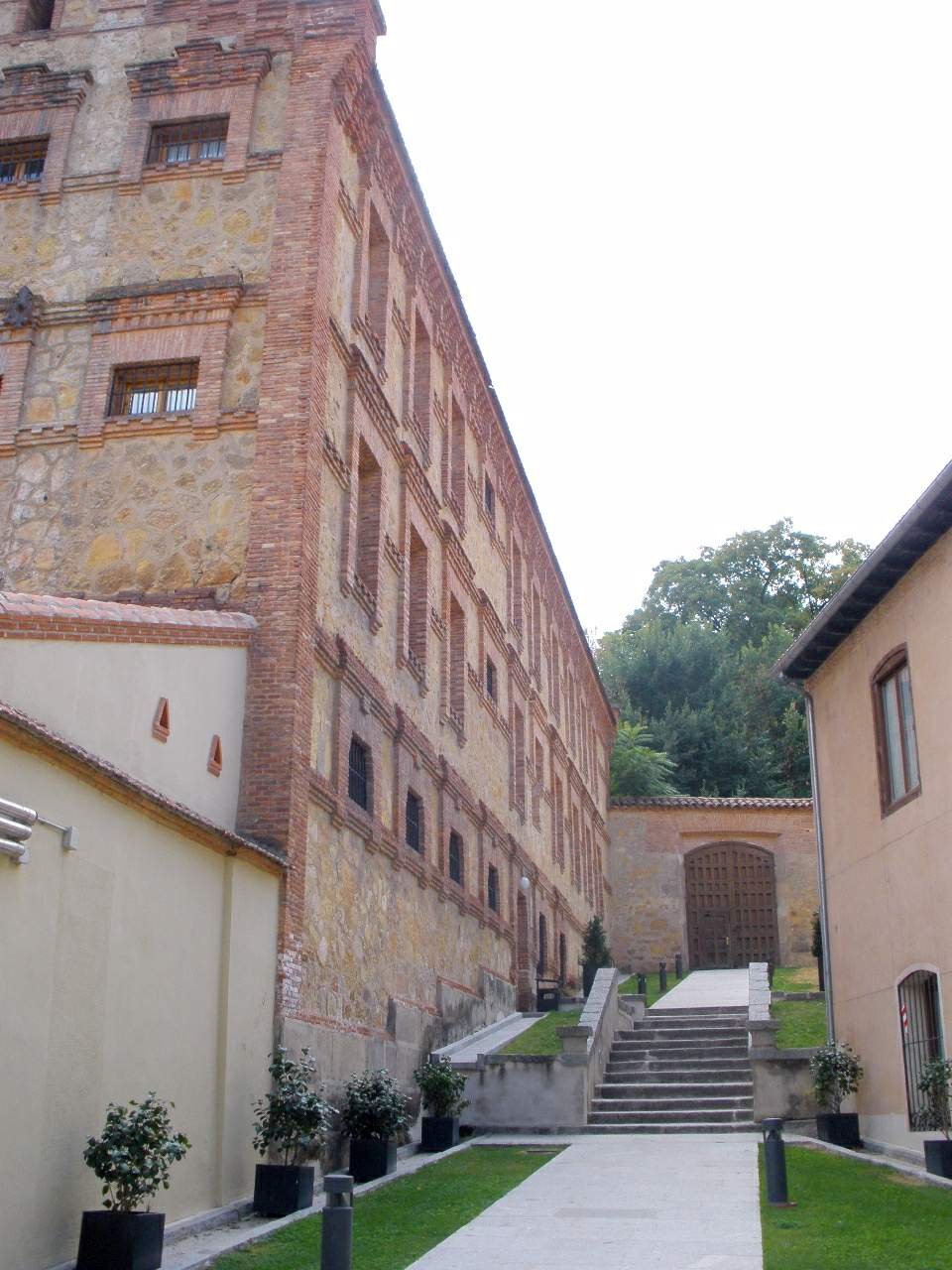
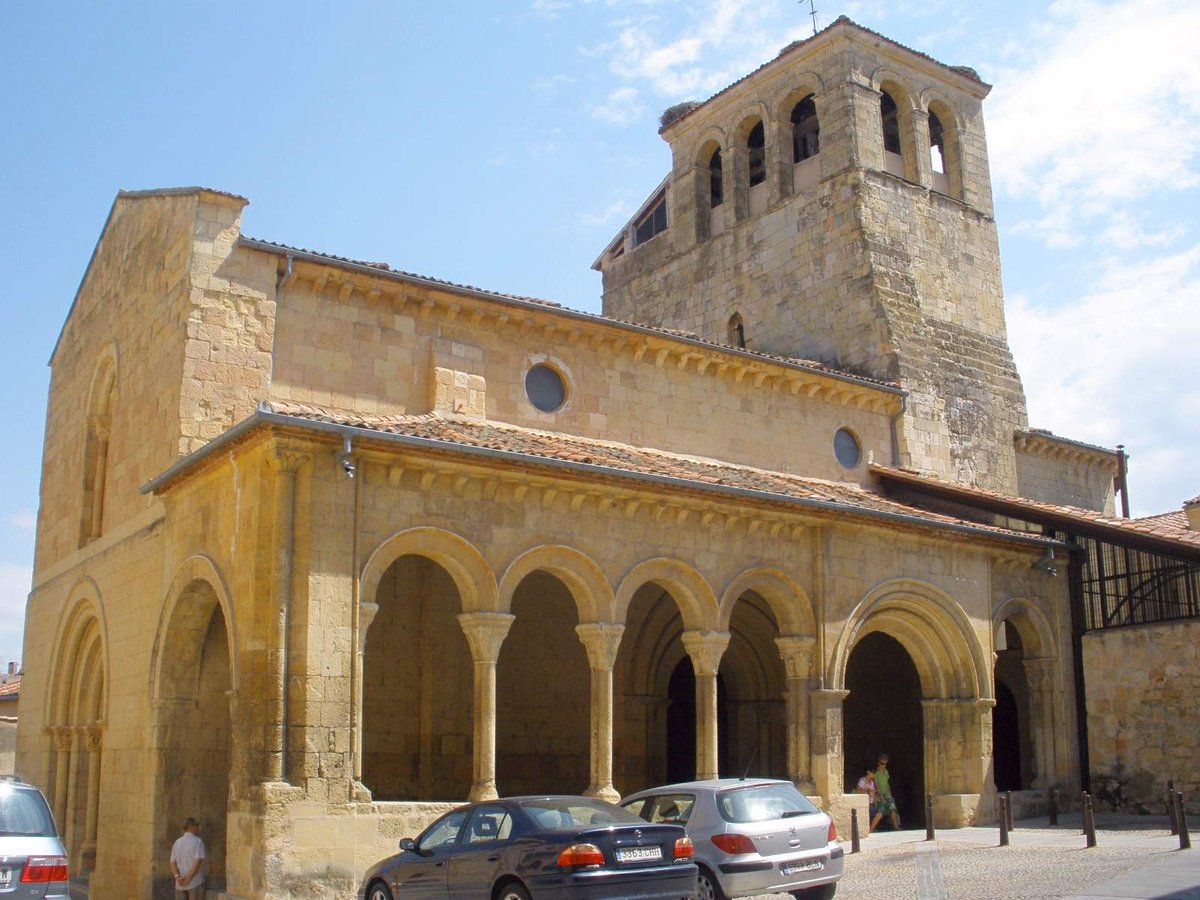
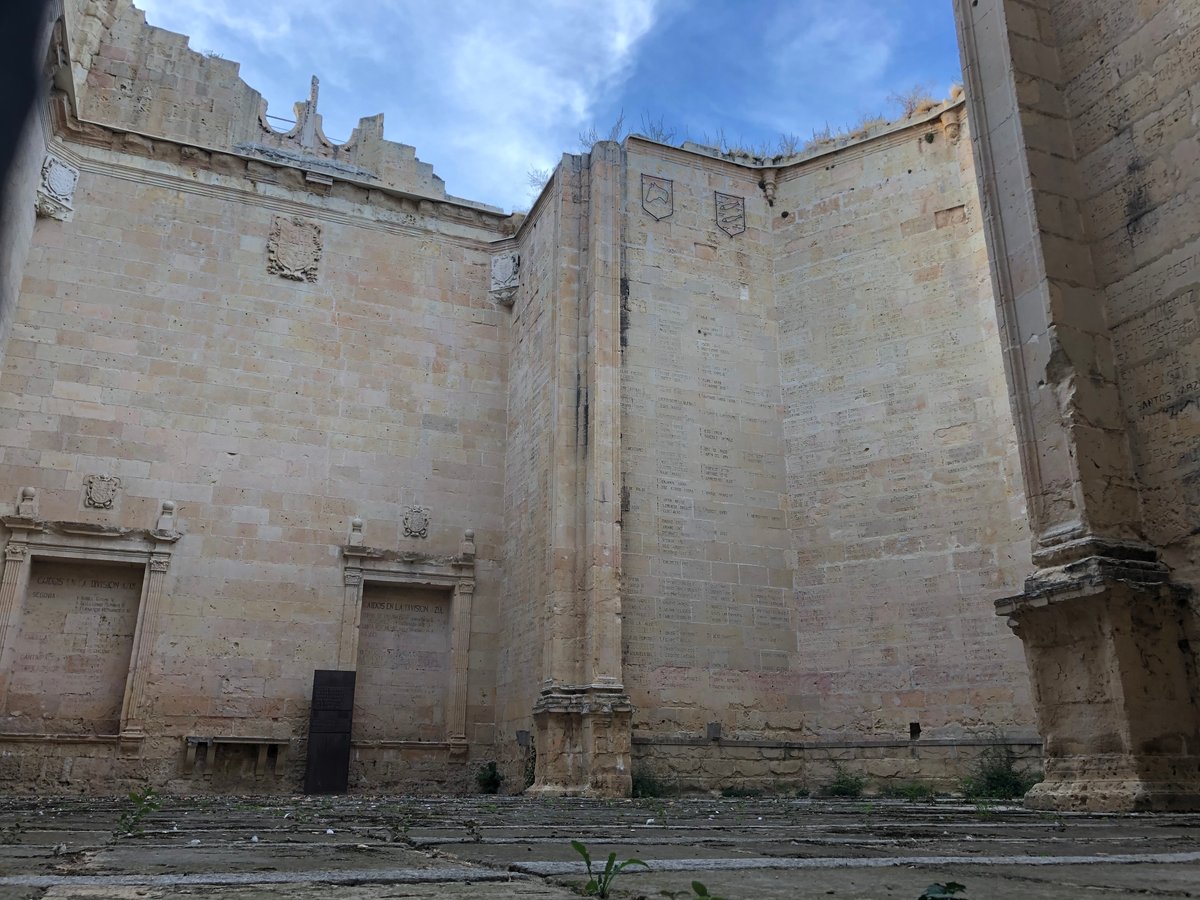
The monks initially moved to the vicinity of the church of Santa Eulalia. They eventually found a permanent home inside the city walls near the parish of San Facundo. Although the buildings were demolished in 1888 to create the current Plaza de los Huertos, the original site offers a profound opportunity for investigation. Archaeological excavations in the 2000s have already begun to uncover the footprint of the Romanesque church and the Gothic cloister.
At its original home, the monastery protected a small ivory sculpture of the Virgin and Child known as Nuestra Señora de las Aguas. During the French invasion, the Marquises of Lozoya took the piece for safekeeping. It returned to the monastery after the restoration of Fernando VII. We can continue to explore these layers of history through the archaeological records of the Alameda del Parral.
Sources: Wikipedia, OpenStreetMap, Wikidata, Wikimedia Commons
Written by Nik Frost
Discuss this with the author and others
No comments yet. Be the first to start the conversation.