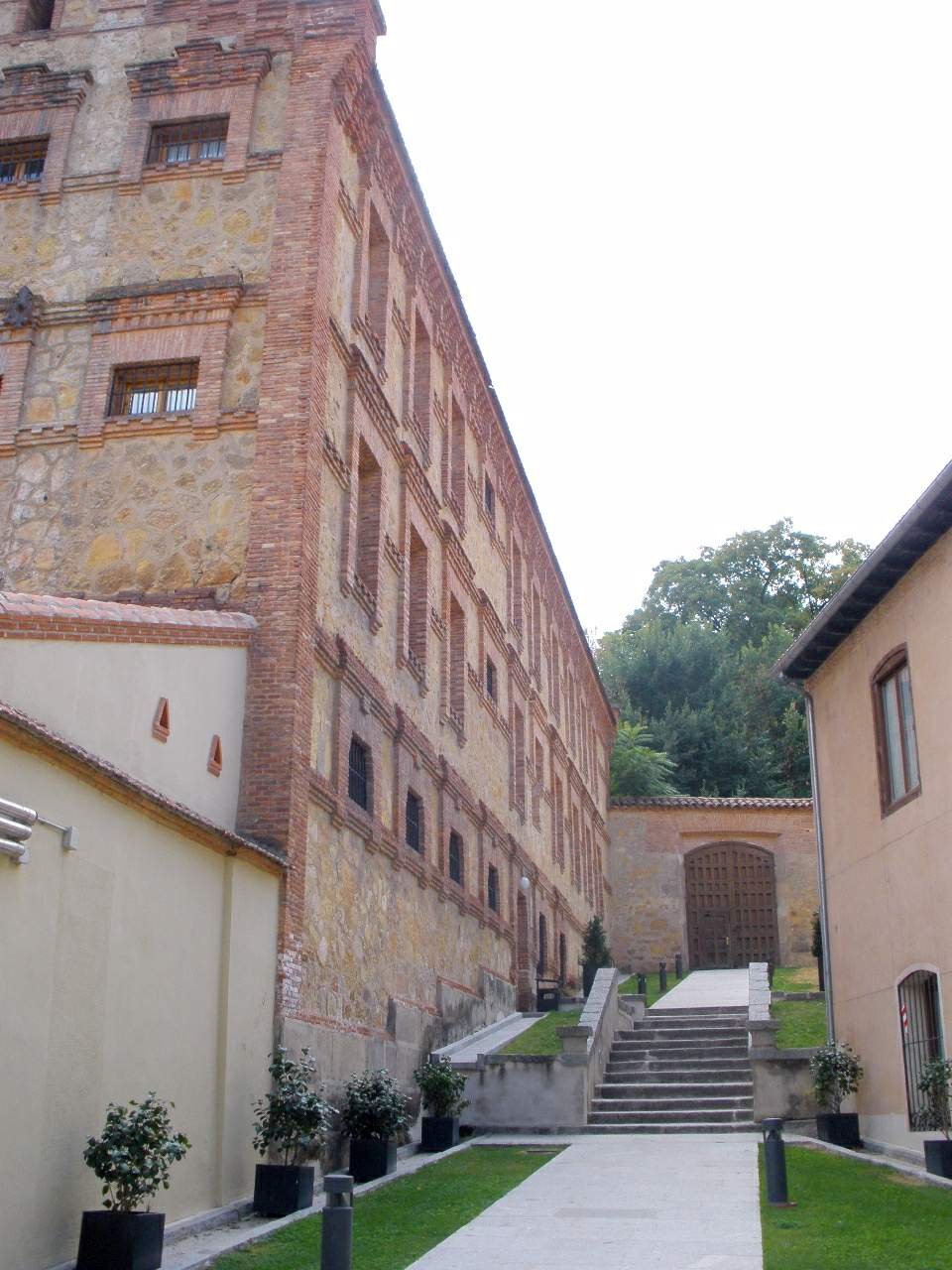

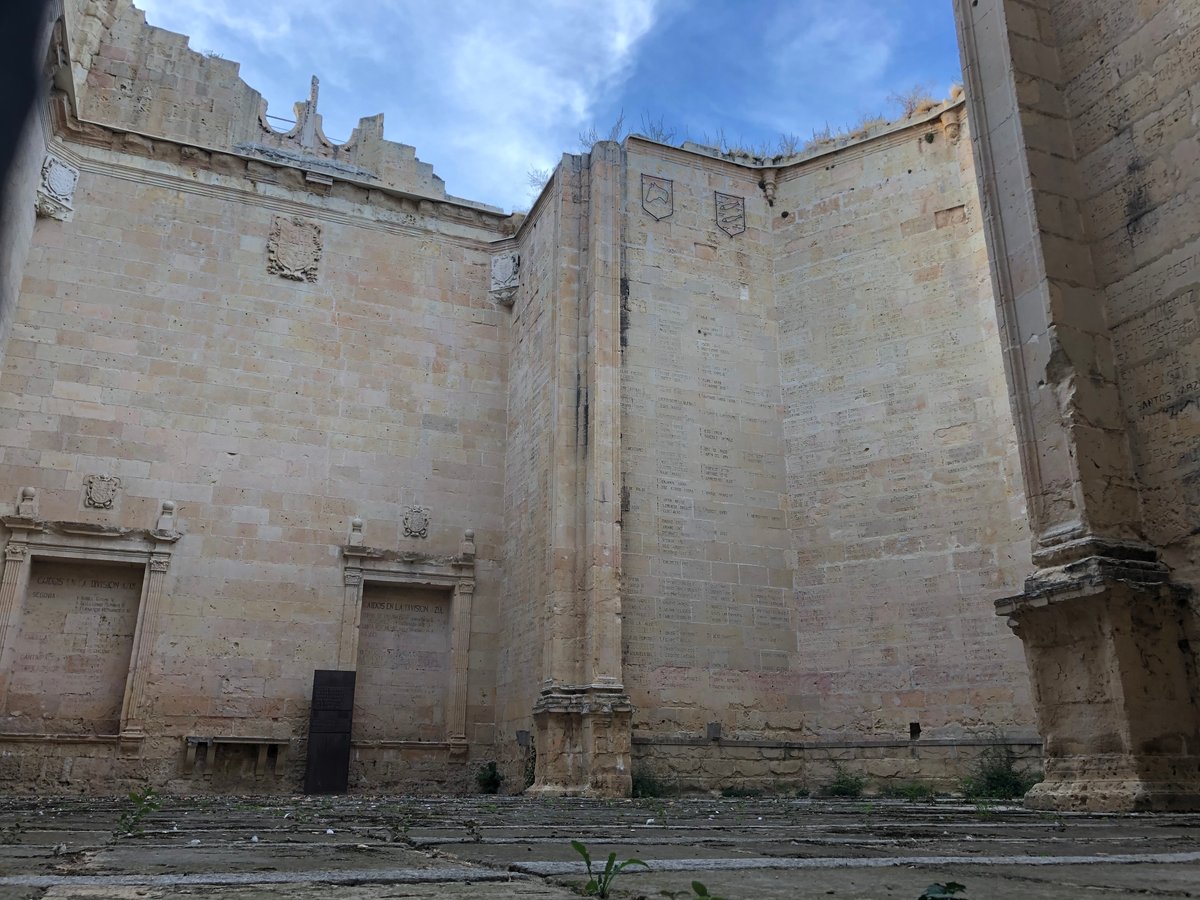
Step inside the space of the cave dedicated to Saint Dominic on the northern side of the church. To reach this sanctuary today, you are invited to walk through the antechapel constructed during the era of the Catholic Monarchs.
The history of the Dominican order in Spain begins here in 1218 as the first convent of its kind. As the friars gained favor with the monarchy, the site evolved significantly. By the late 15th century, Queen Isabella and King Ferdinand funded substantial construction and refurbishment. They introduced the Gothic-Isabelline style and a monumental frontispiece along with a complex cloister with areas devoted to study and storage.
We must look closely at the origin of this expansion, which was paid for by the seized assets of a Segovian merchant named Garci Gonzalez Gualdrafas. In 1489, he was burned at the stake for practicing Judaism. This confiscated wealth provided the means for the friars to develop the convent. Consequently, the monastery earned the name Santa Cruz la Real, which derives from the outright protection of monarchs.
In the 19th century, the building functioned as a hospice for orphans and the elderly before various fires led to its decline. Today, the UNESCO World Heritage site has been restored as a campus for IE University. While students now occupy the halls, you can still explore the visible layers of history. The transition from the Romanesque foundations to the royal structures of the 1400s remains a journey worth taking.
Sources: Wikipedia, OpenStreetMap, Wikidata, Wikimedia Commons
Written by Nik Frost
Discuss this with the author and others
No comments yet. Be the first to start the conversation.