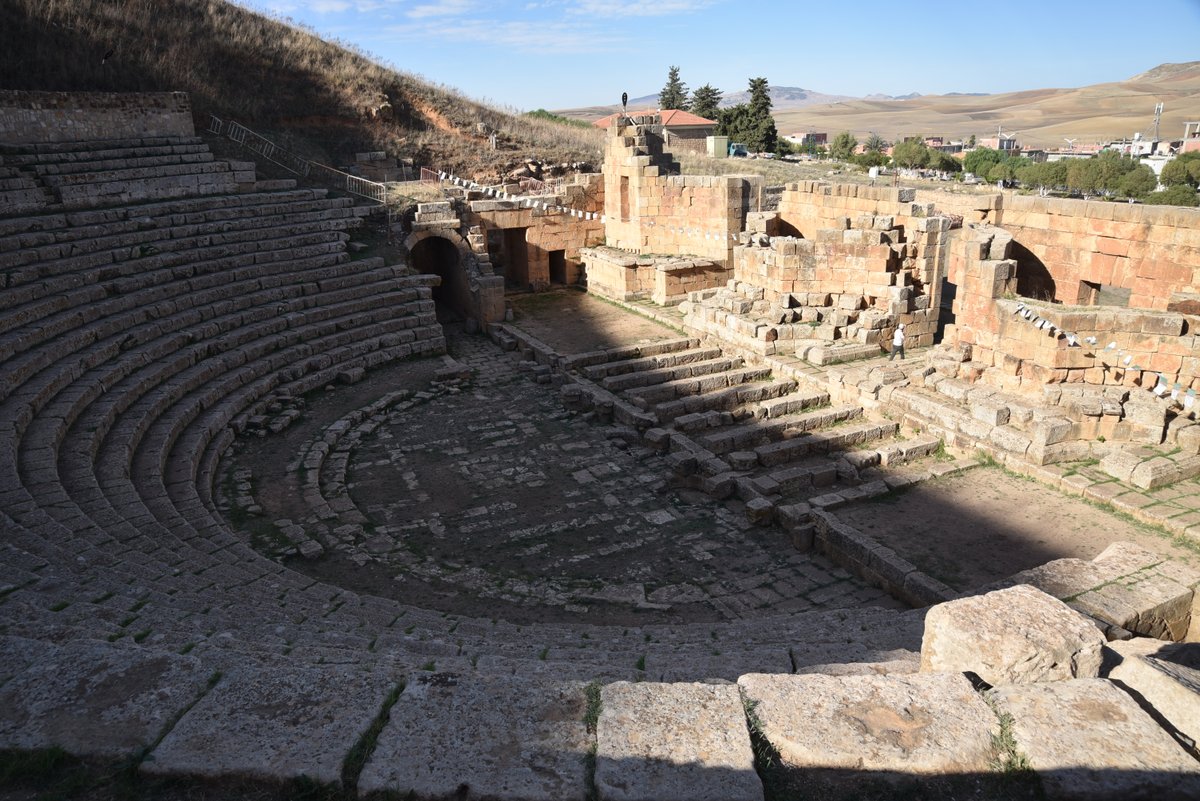

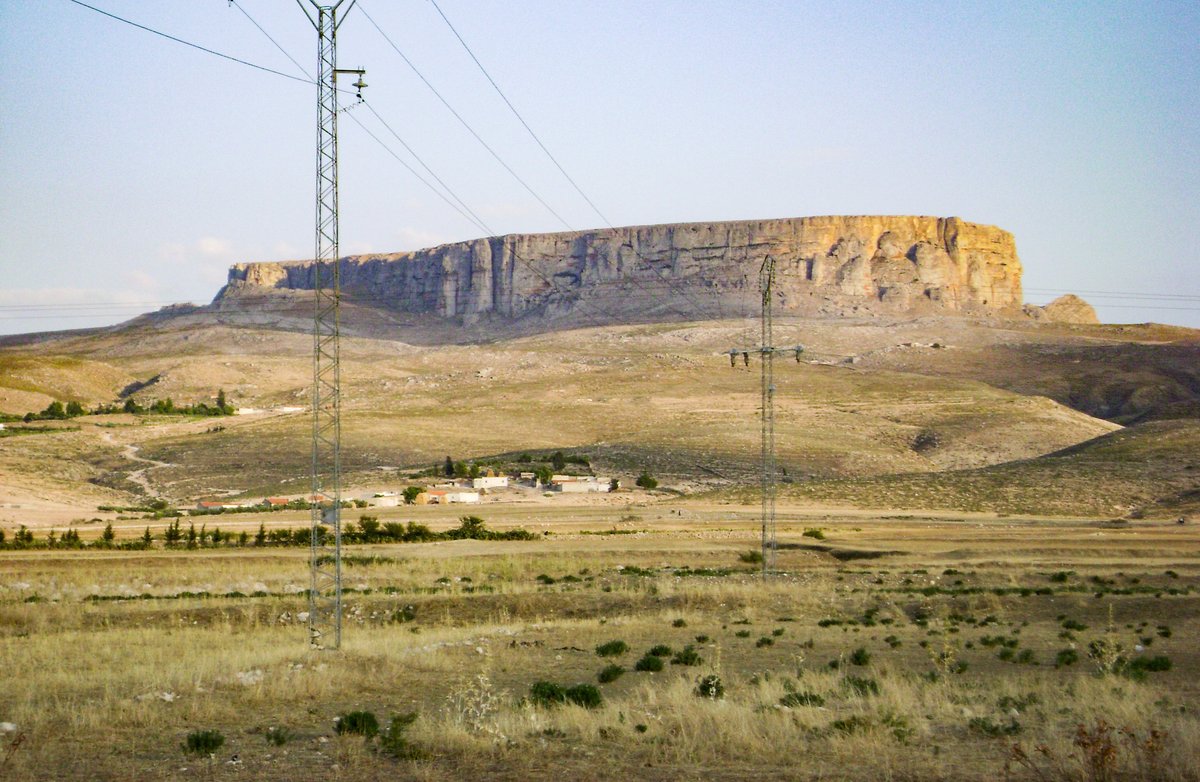
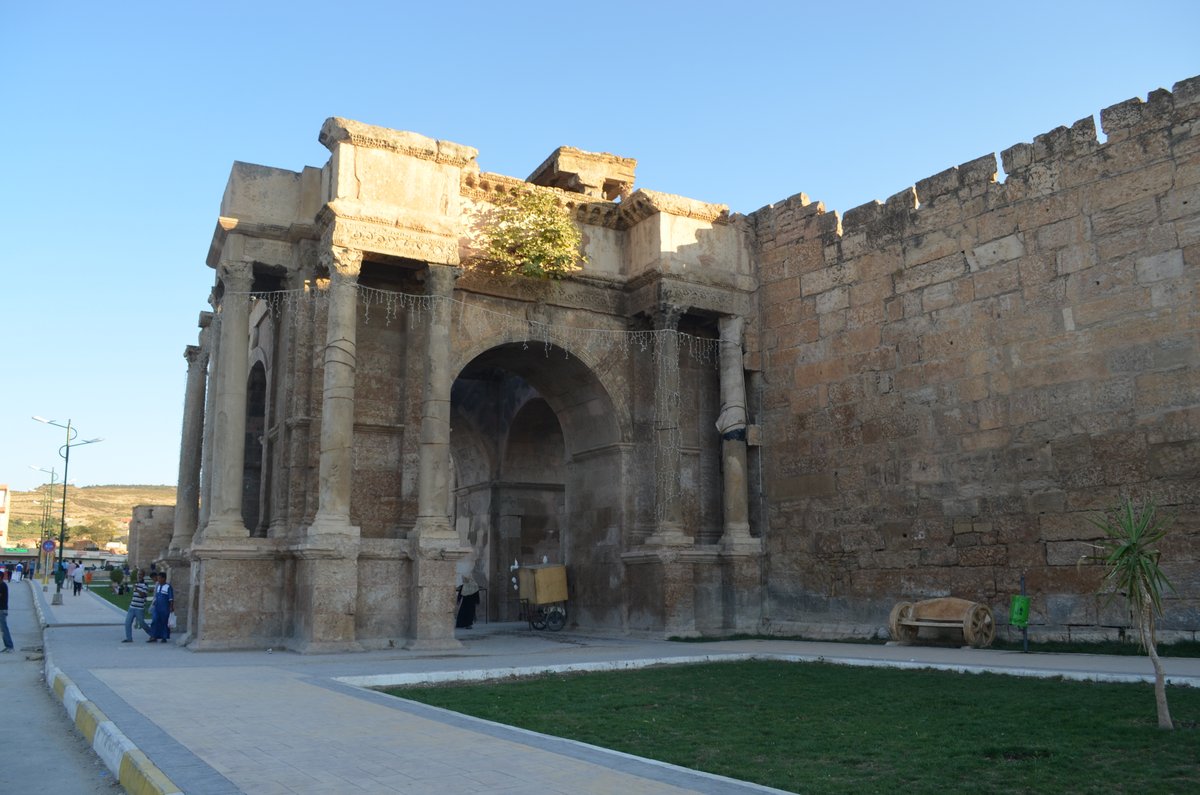
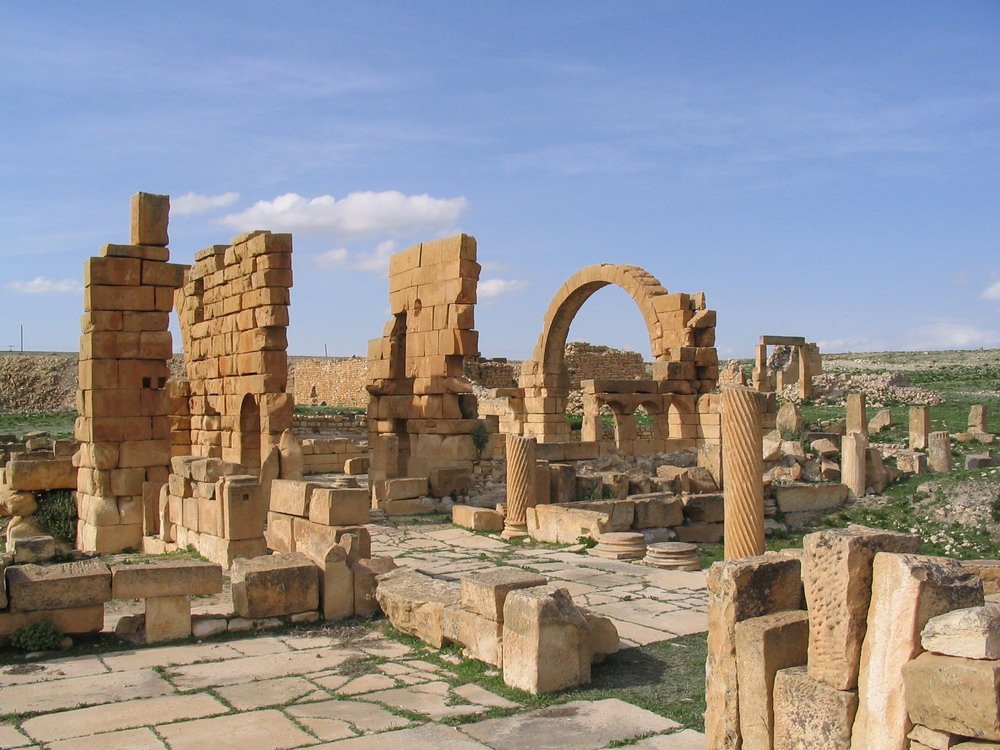
In the heart of the rolling Algerian countryside, the crumbling remains of the ancient Roman city of Thubursicum whisper tales of long-lost civilizations. Known as Thubursicum Numidarum, it was originally a primary settlement of an indigenous Berber tribe of Numidia. This city is probably the town of which Tacitus speaks in connection with the revolt of Tacfarinas in the time of Tiberius (15 CE to 24 CE).
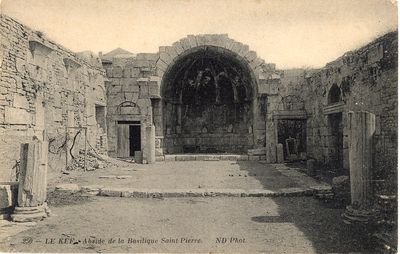
Thubursicum was founded by the Emperor Trajan around 100 CE, and boasted a rich history. It became a Roman town in the Maghreb, and eventually a colonia by 270 CE. Thubursicum served as the seat of a bishopric, with a rectangular basilica having walls covered with marble constructed in the 2nd century. It was visited by Augustine of Hippo twice.
The city was part of the Vandalic Kingdom of Carthage from 435 to 534, but it was reconquered in the Vandalic War by the East Roman Empire (Byzantine Empire) in 534.
After its reconquest, a Byzantine-style chapel and small forts were built. Thubursicum remained in the Byzantine Praetorian prefecture of Africa and Exarchate of Africa until the Muslim conquest of the Maghreb in 698.
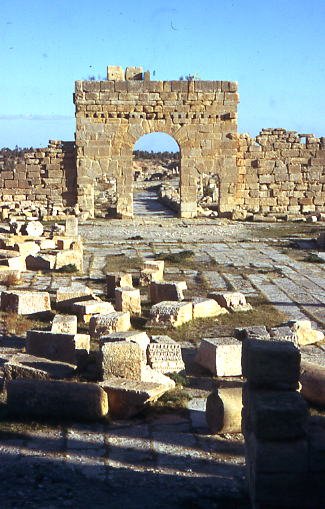
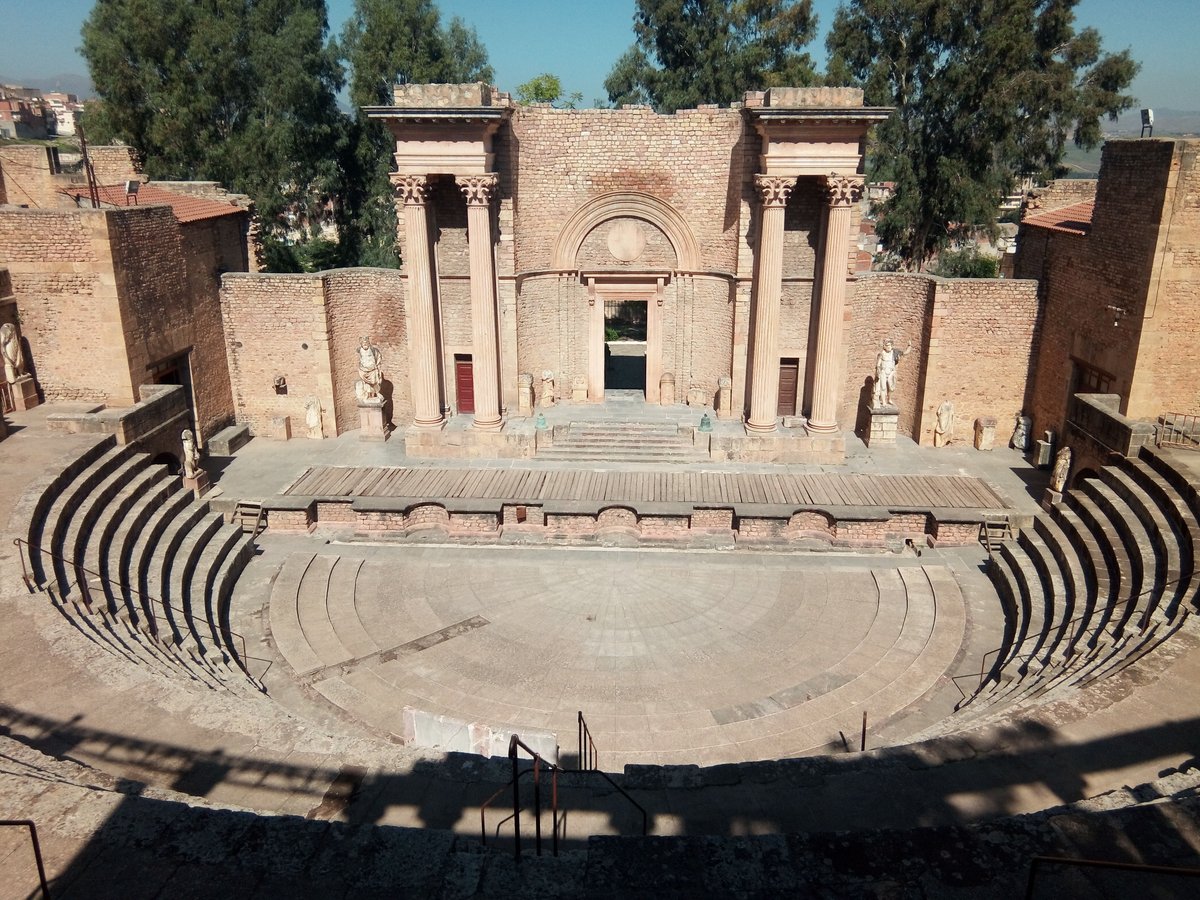
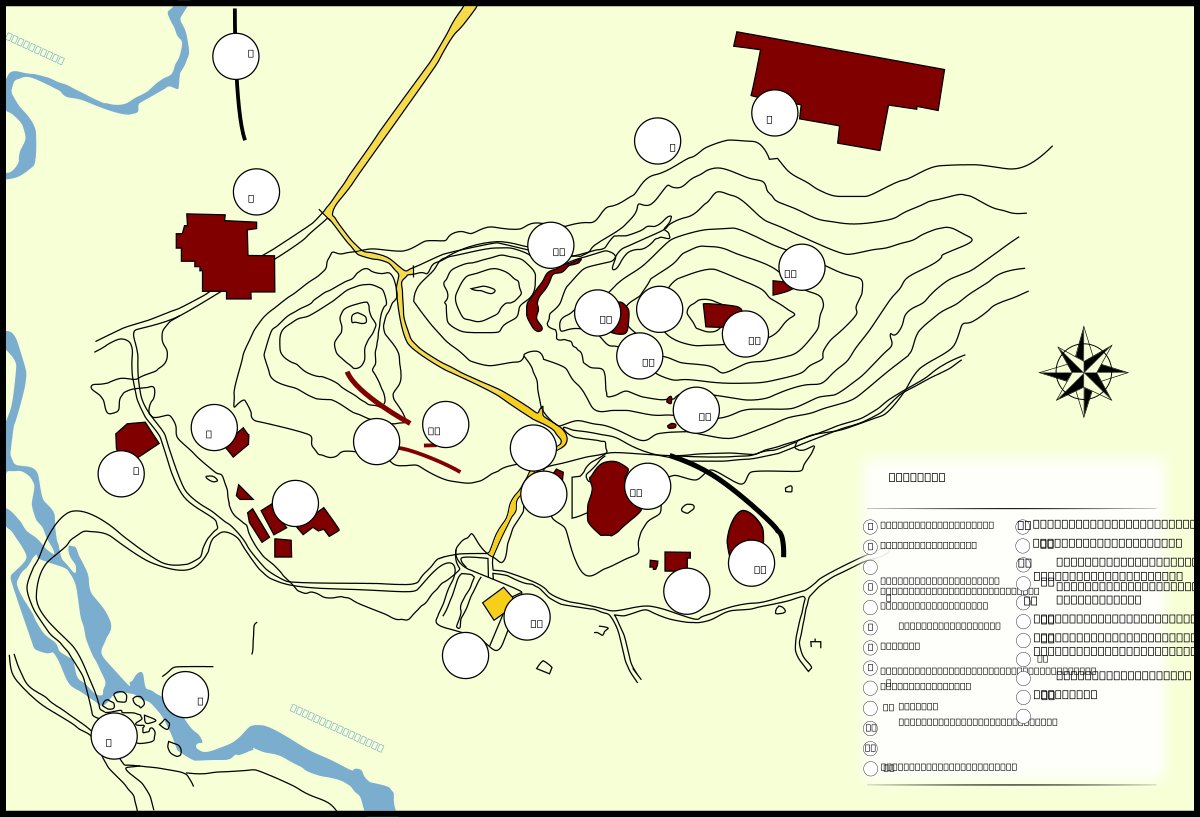
Today, Thubursicum is an archaeological site, with well-preserved Roman ruins, including a stunning theatre that dates back to the 2nd or 3rd century. Archeological excavations cleared only one part of the town site from 1900 to 1922.
Most of the objects collected then, notably the Ancient Roman statues, are in Guelma at the Guelma Museum, Algeria.
Sources: Wikipedia, OpenStreetMap, Wikidata, Wikimedia Commons
Written by Mutabor
Discuss this with the author and others
No comments yet. Be the first to start the conversation.