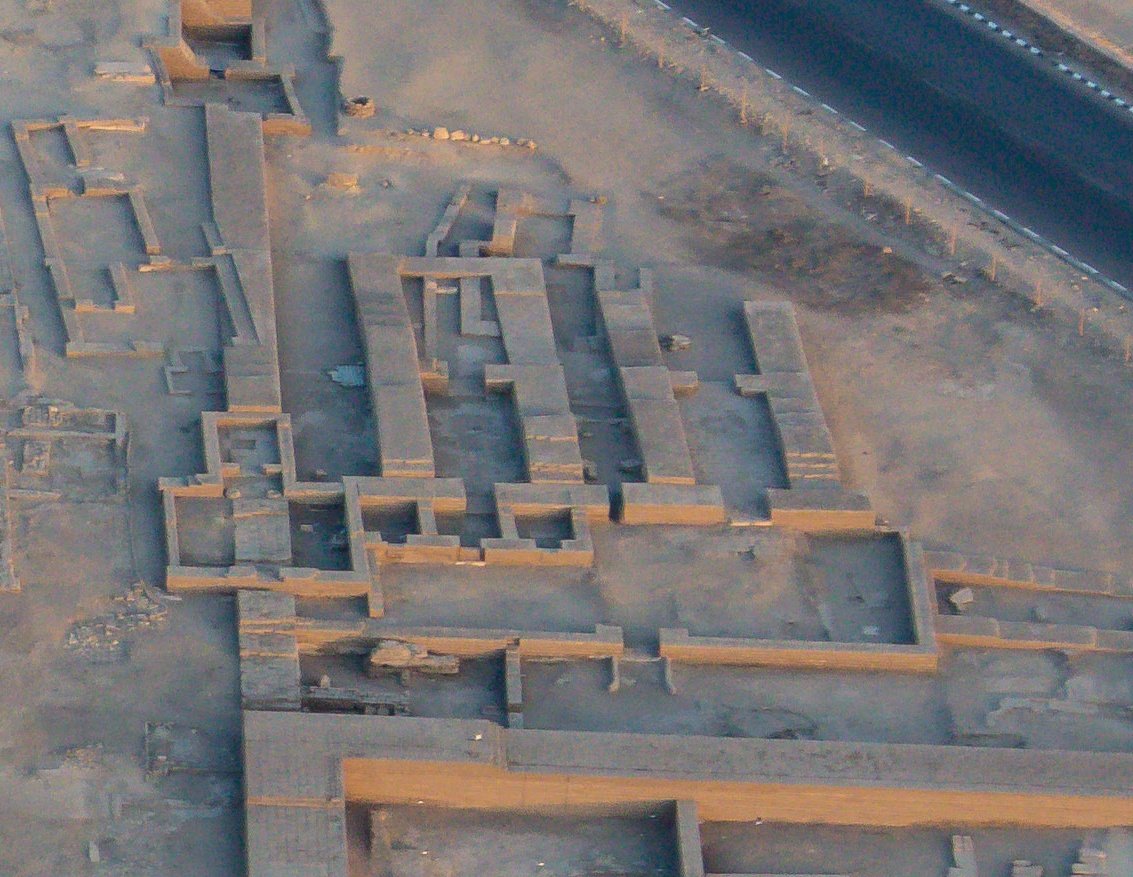

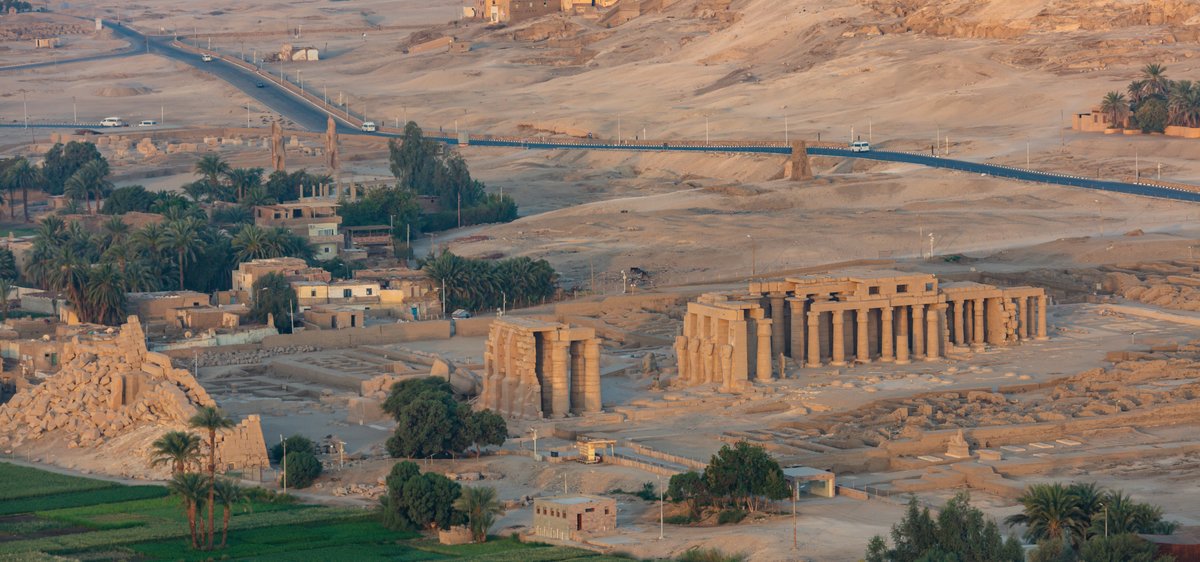
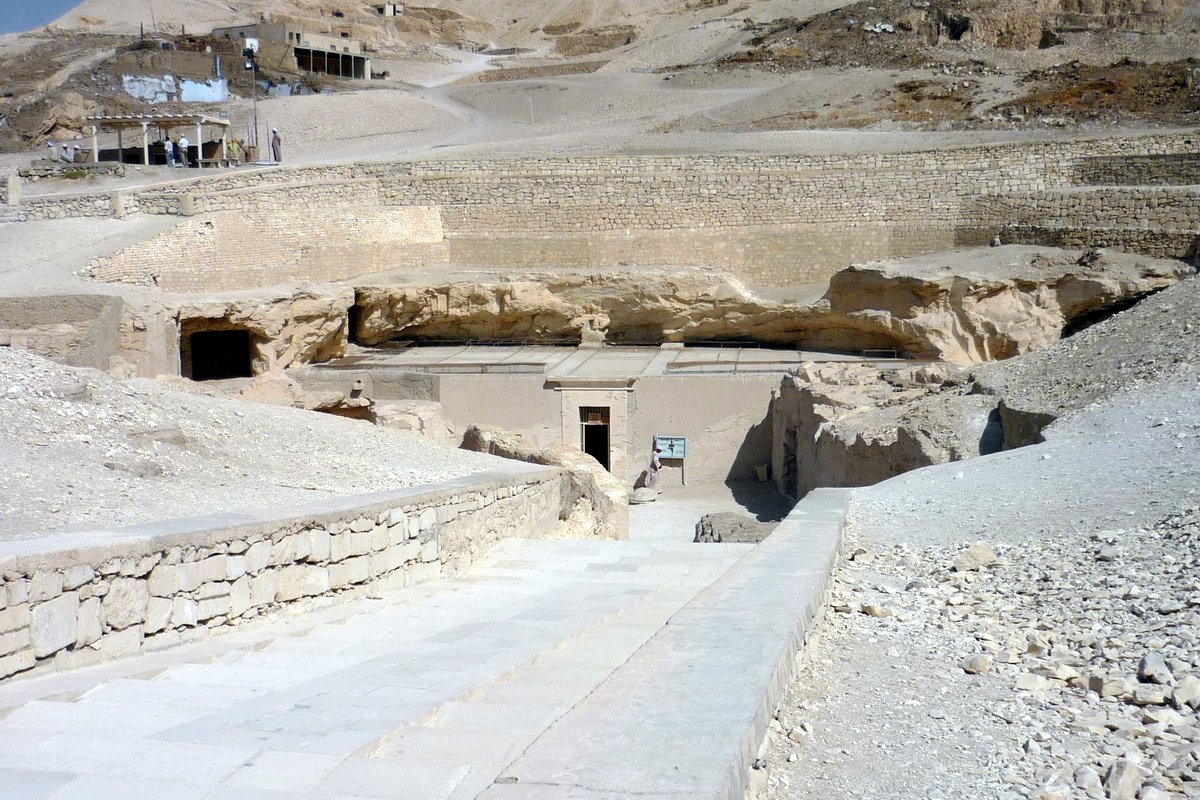
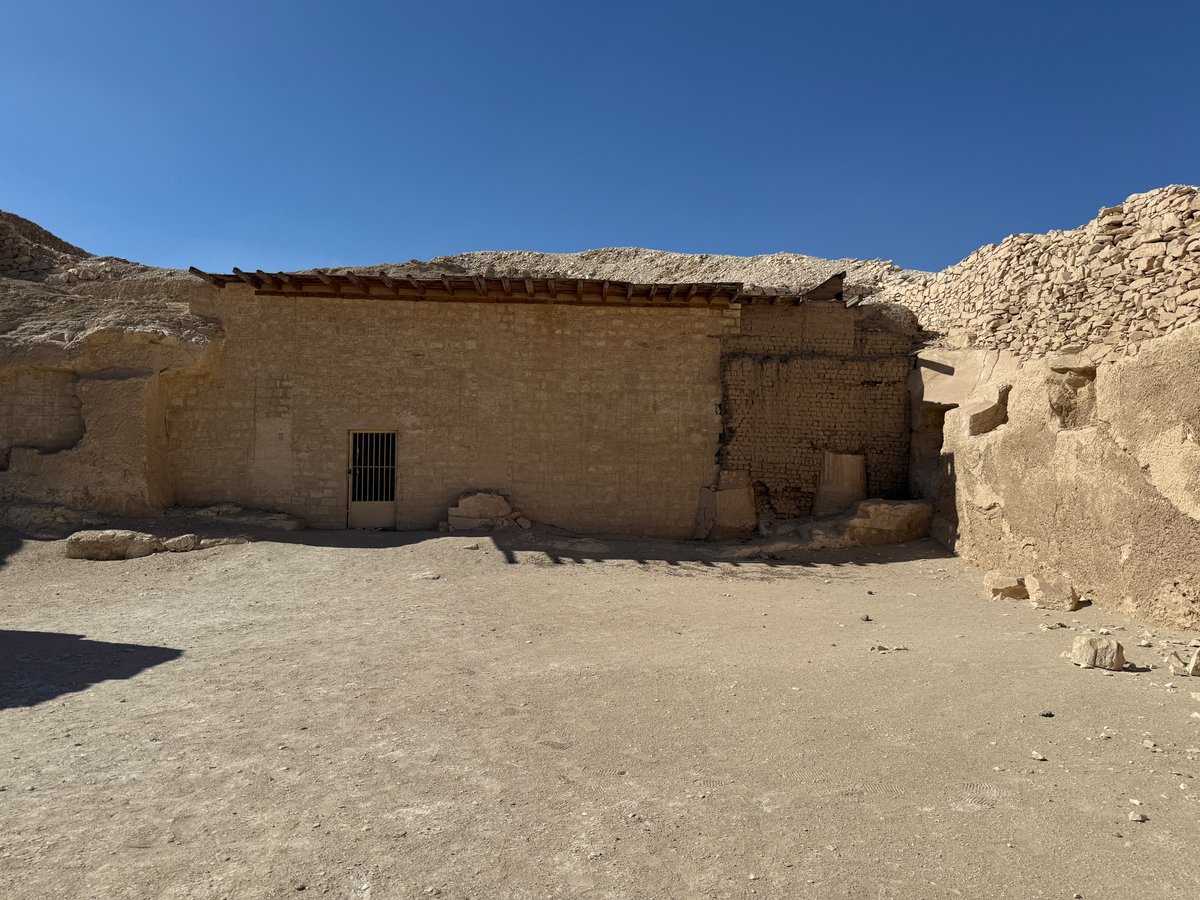
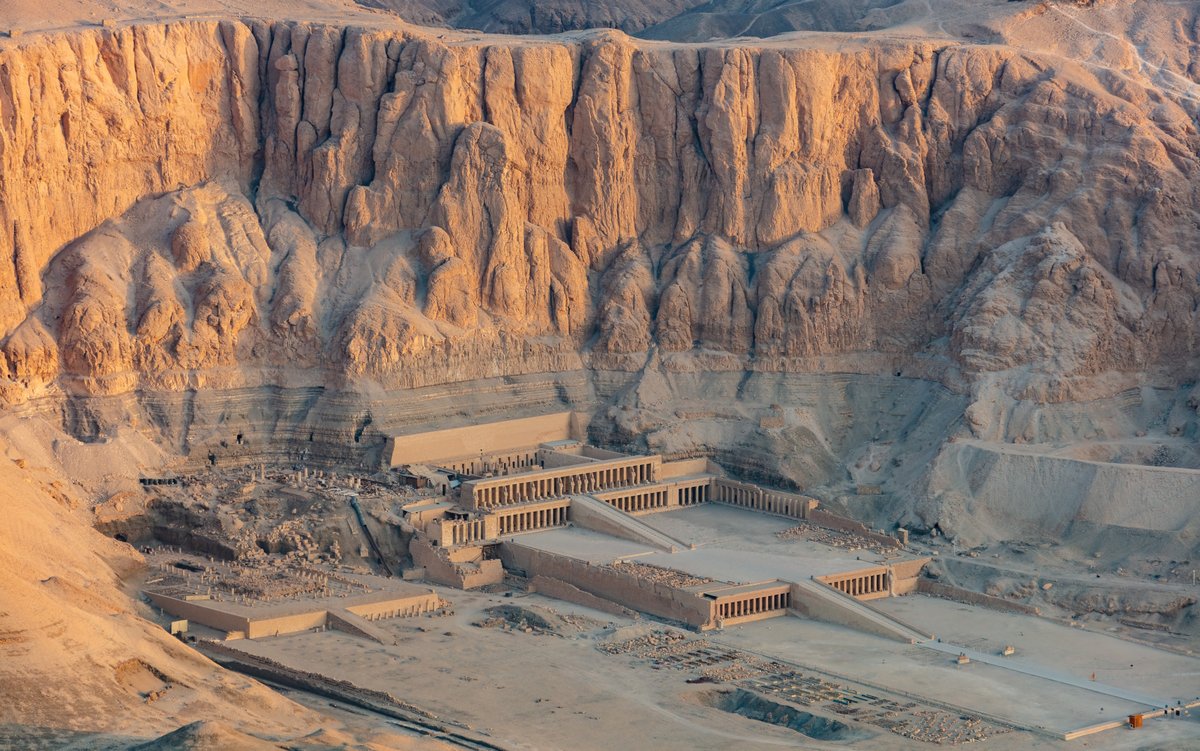
Beneath a parched sky on the western bank, the Chapel of the White Queen stands adjacent to the Ramesséum. Constructed by the pharaoh Amenhotep IV of the XVIIIth Dynasty, the monument consists of a pair of humble rooms made of mud brick. Unlike the nearby temples of the pharaohs, these were not sacred sanctuaries for spirits or deities; instead, the building served an administrative function.
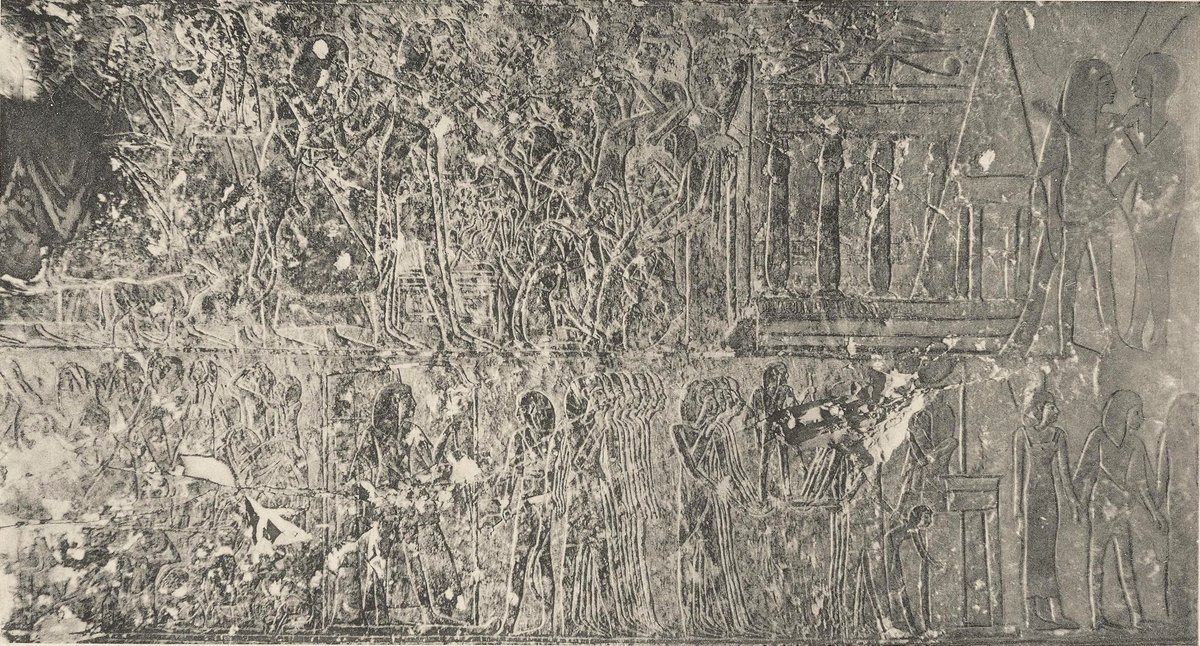
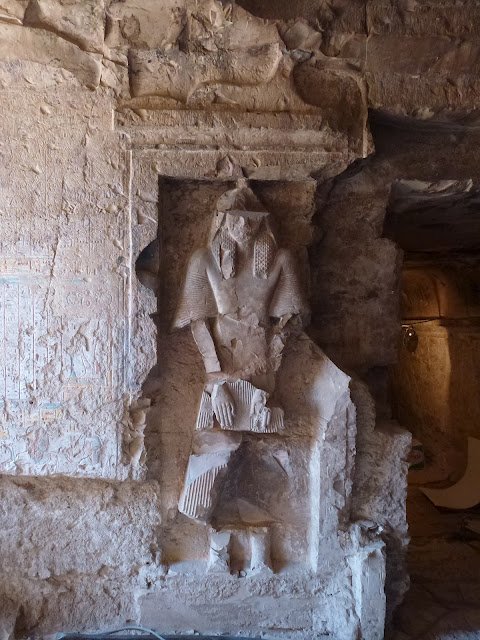
Before these walls were raised, the soil guarded the remains of an older necropolis from the Middle Kingdom and the Second Intermediate Period. To create his space, Amenhotep IV destroyed an older funerary chapel and filled in three deep burial pits with rubble. During this construction, several decorative statues were found in the debris - the first private funerary statues from the Theban necropolis found in their original site.
Years later, the shadow of Ramses II fell over the site. He built the massive Ramesséum complex against these walls and destroyed a portion of the southern fence to create an access point. Later, a necropolis developed under the Ramesséum and the chapel, reusing vaults from the Middle Kingdom necropolis. At this time, the chapel was completely redesigned when a funerary concession was established in the chapel courtyard.
In 1896, the archaeologist Flinders Petrie excavated the ruins and discovered only one significant item: a white limestone statue of an unidentified queen. He named the building the Chapel of the White Queen. Although she was later identified as Mérytamon, the daughter and wife of Ramses II, Petrie's work primarily brought to light the double building of the site. Since 1994, a mission led by Monique Nelson and Mikaël Kalos has excavated the site to highlight the superposition of remains from very distinct periods.
Sources: Wikipedia, OpenStreetMap, Wikidata, Wikimedia Commons
Written by Mutabor
Discuss this with the author and others
No comments yet. Be the first to start the conversation.