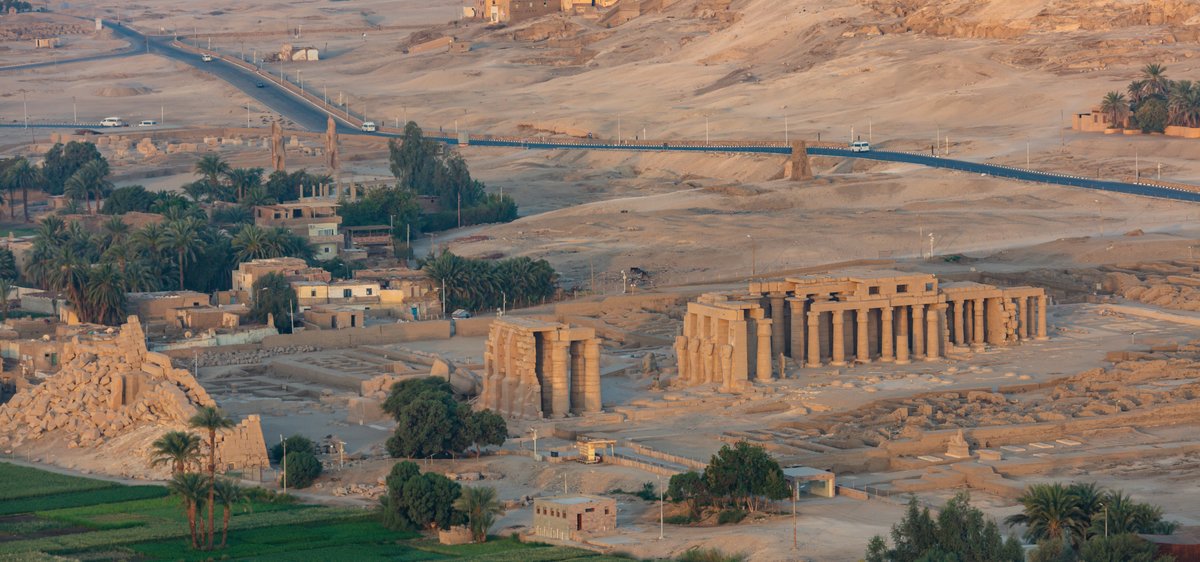

In the heart of the arid Egyptian land lies the Ramesseum, the memorial temple of Pharaoh Ramesses II, also known as Ramesses the Great. Located in the Theban Necropolis in Upper Egypt on the west of the River Nile, it was originally called the House of millions of years of Usermaatra-setepenra that unites with Thebes-the-city in the domain of Amun. Work on this project began shortly after the start of his reign and continued for 20 years.
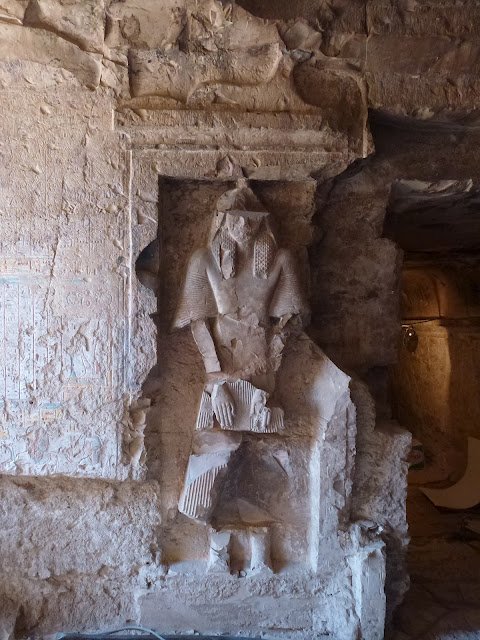
The Ramesseum stands as a testament to the grandeur of ancient Egypt, occupying an area of about 10 hectares. Its design adheres to the canons of New Kingdom temple architecture, oriented northwest and southeast. The complex comprises two stone pylons, some 60 metres wide, leading into courtyards. Beyond the second courtyard is a covered 48-column hypostyle hall surrounding the inner sanctuary. At the rear of the first courtyard stands a pair of colossal statues flanking the second pylon: the larger representing Ramesses, and the smaller representing his mother Tuya.
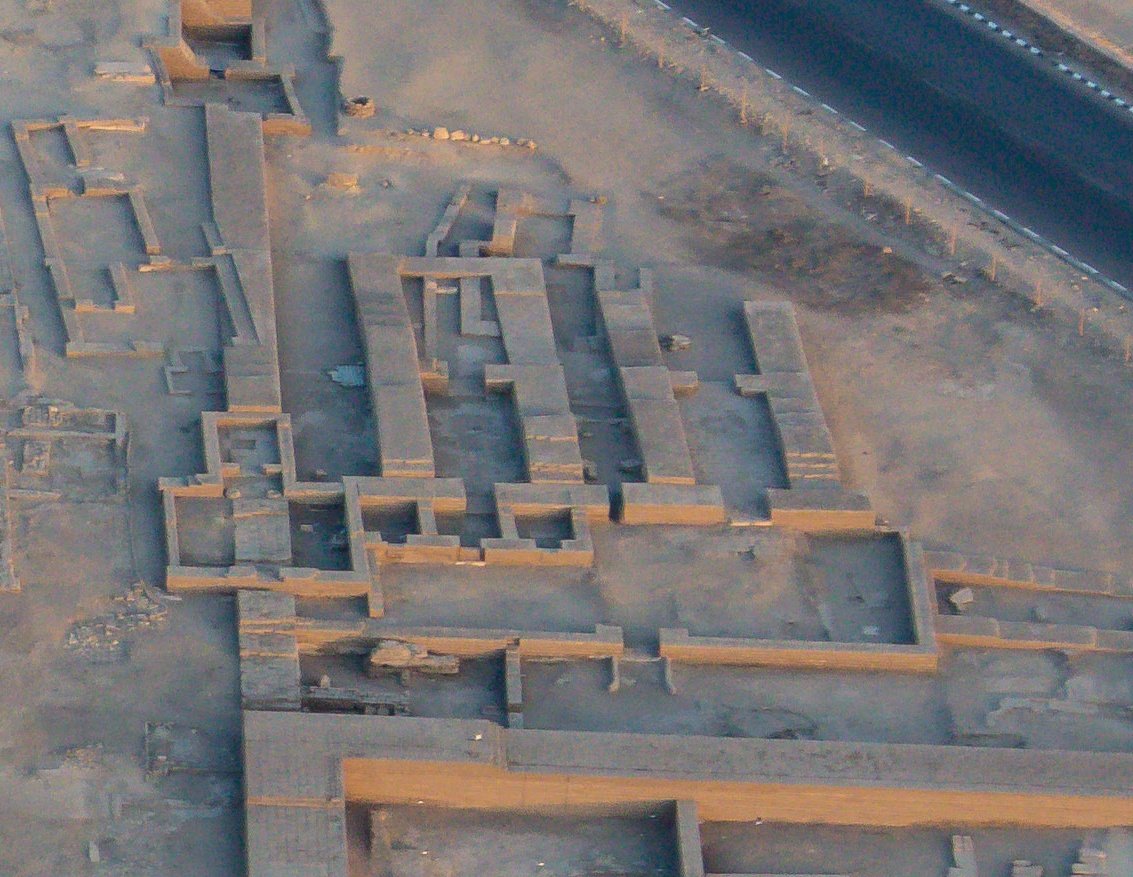
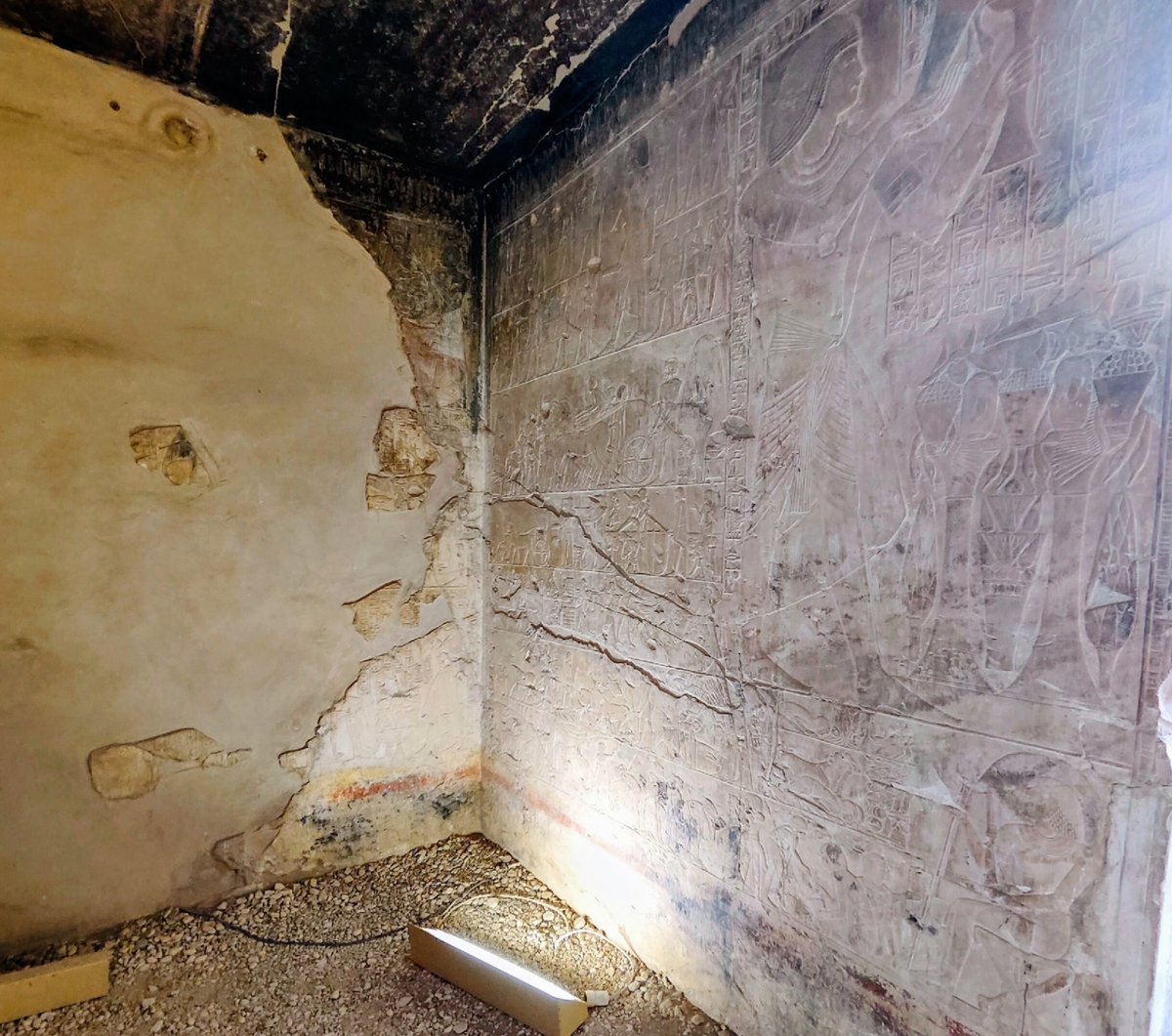
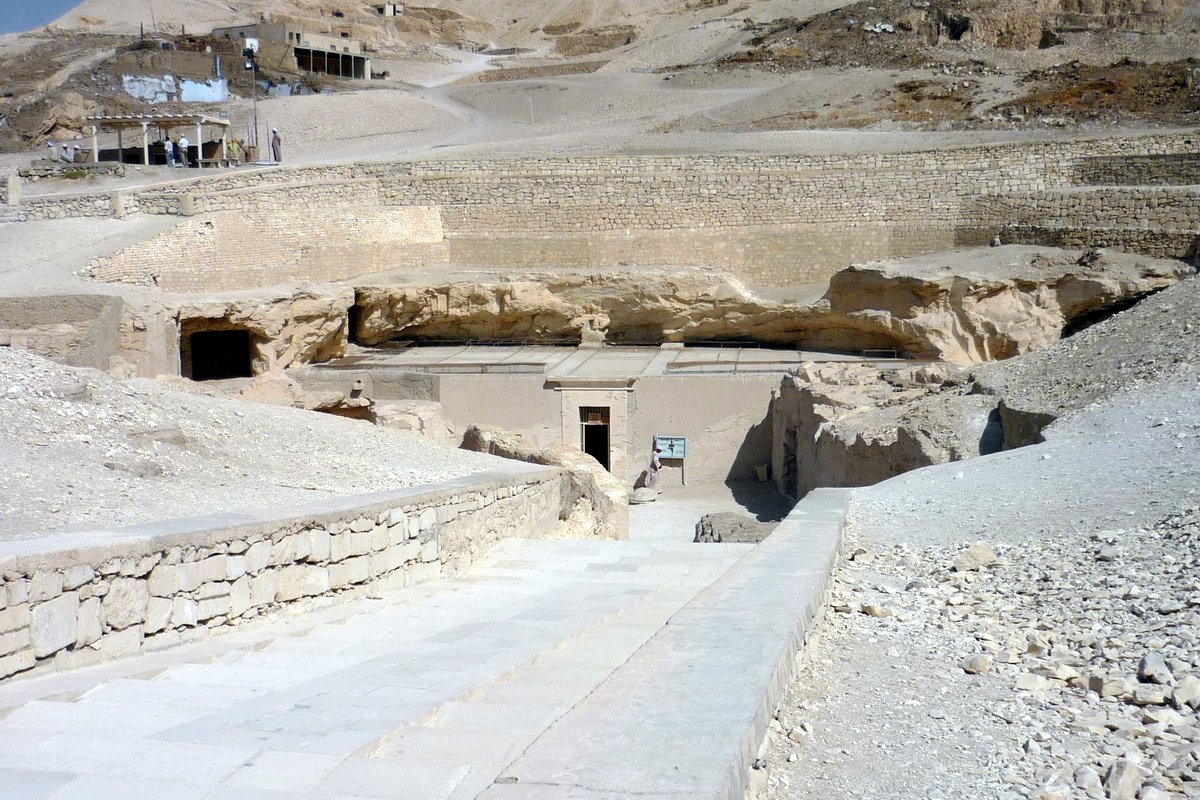
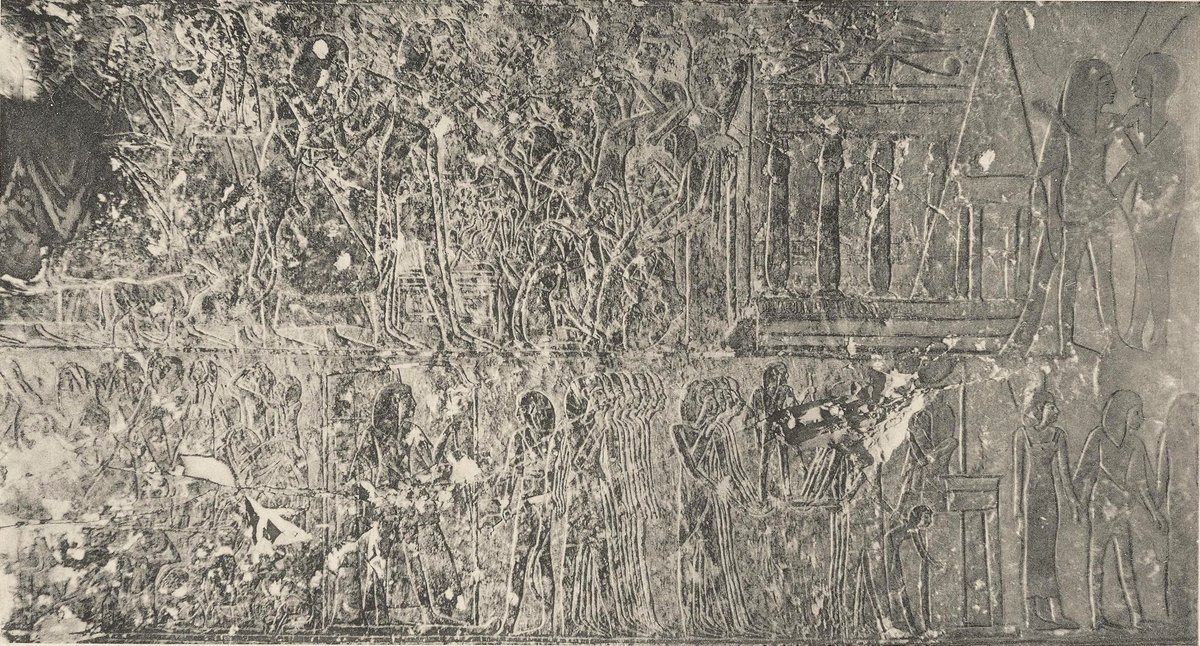
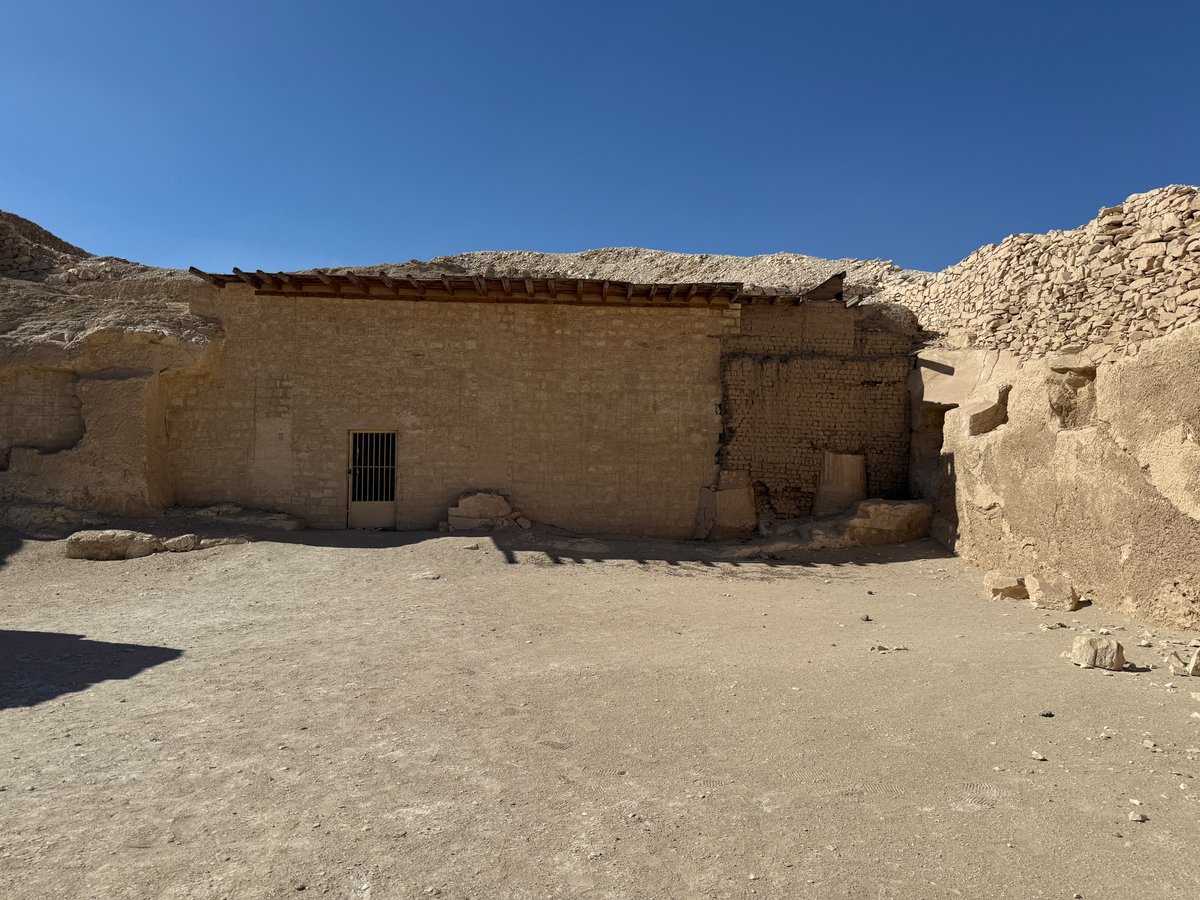
Scenes on the pylon commemorate military victories, including the Battle of Kadesh. One block records the pillaging of a city called Shalem in the eighth year of his reign. While the passage of time and the annual Nile inundation undermined its foundations, the site remains a significant archaeological location. Excavations have revealed a Middle Kingdom shaft tomb beneath the hypostyle hall, as well as a school where boys were taught to be scribes to the southeast.
Sources: Wikipedia, OpenStreetMap, Wikidata, Wikimedia Commons
Written by Mutabor
Discuss this with the author and others
No comments yet. Be the first to start the conversation.