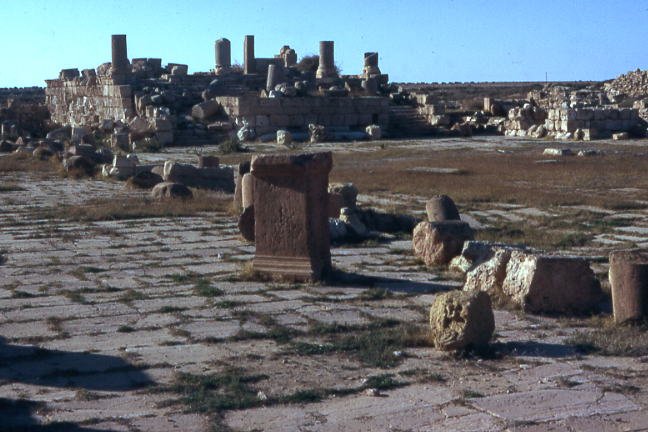

Gigthis is an ancient Punic and Roman archaeological site in southern Tunisia, situated at the bottom of the Gulf of Boughrara and facing the island of Djerba. Originally founded as a Phoenician trading post, it later became part of the Numidian kingdom before being incorporated into the Roman province of Africa Nova in 46 BCE. Following Caesar's reorganization of Numidia, the city fell under the jurisdiction of the proconsular province for over three centuries, eventually flourishing under Roman rule.
A major factor in its development was the construction of the El-Kantara causeway, which opened the gulf to wider maritime trade. As African ports began supplying grain and oil to Ostia, Gigthis shifted from local trade to overseas export. Strong ties with Ostia are attested through municipal patrons and the presence of the cult of Cybele, which was likely imported from Italy.
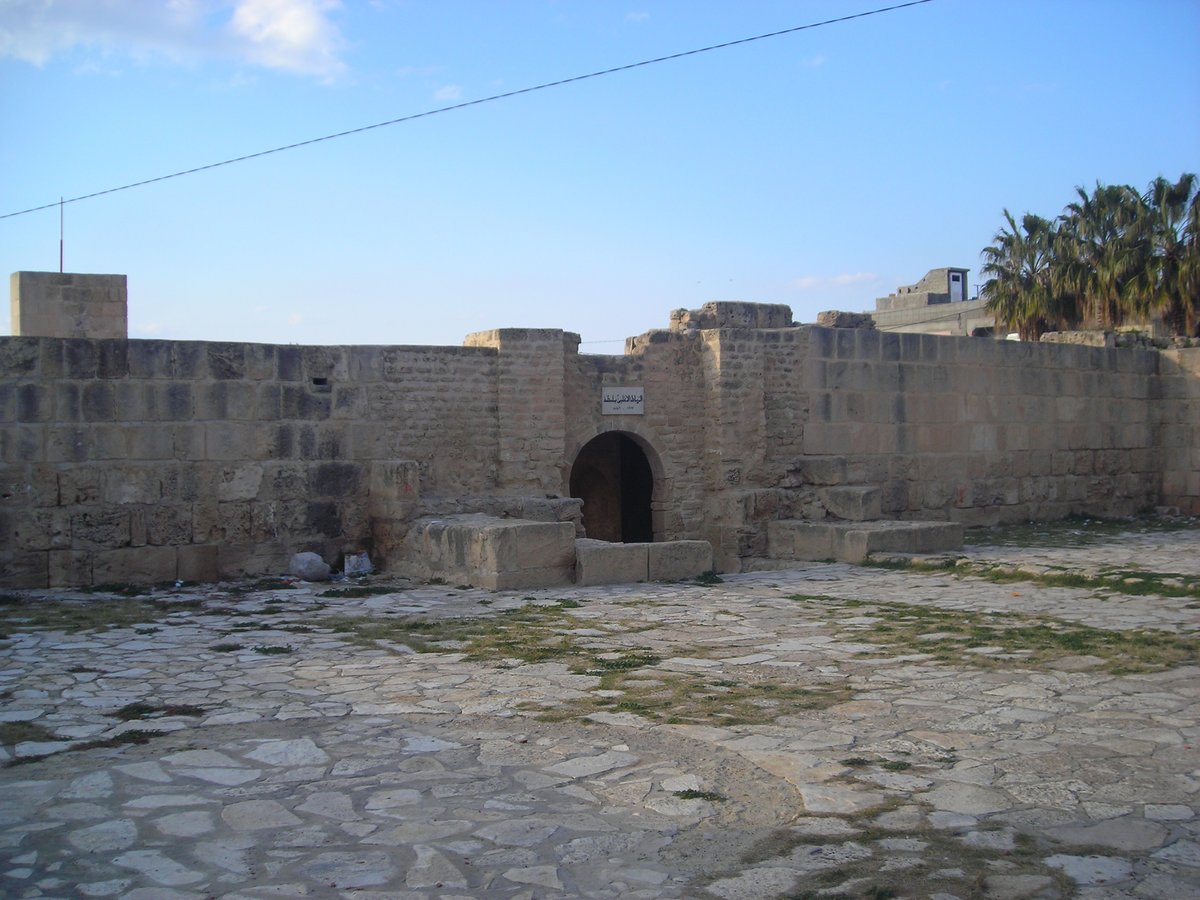
During the Antonine period, Gigthis became a well-known municipium with a senate, magistrates, and imperial cult priests. The city featured an elegant forum with a Serapis-Isis temple as its core. Prosperity from trade fueled a century of civic embellishment, including a new town hall in the 2nd century. The ruins today occupy a gently sloping plateau, featuring a central district of public buildings, a necropolis, and a collection of large, luxurious villas along the southern boundary.
Sources: Wikipedia, OpenStreetMap, Wikidata, Wikimedia Commons

Written by Mutabor
Discuss this with the author and others
No comments yet. Be the first to start the conversation.