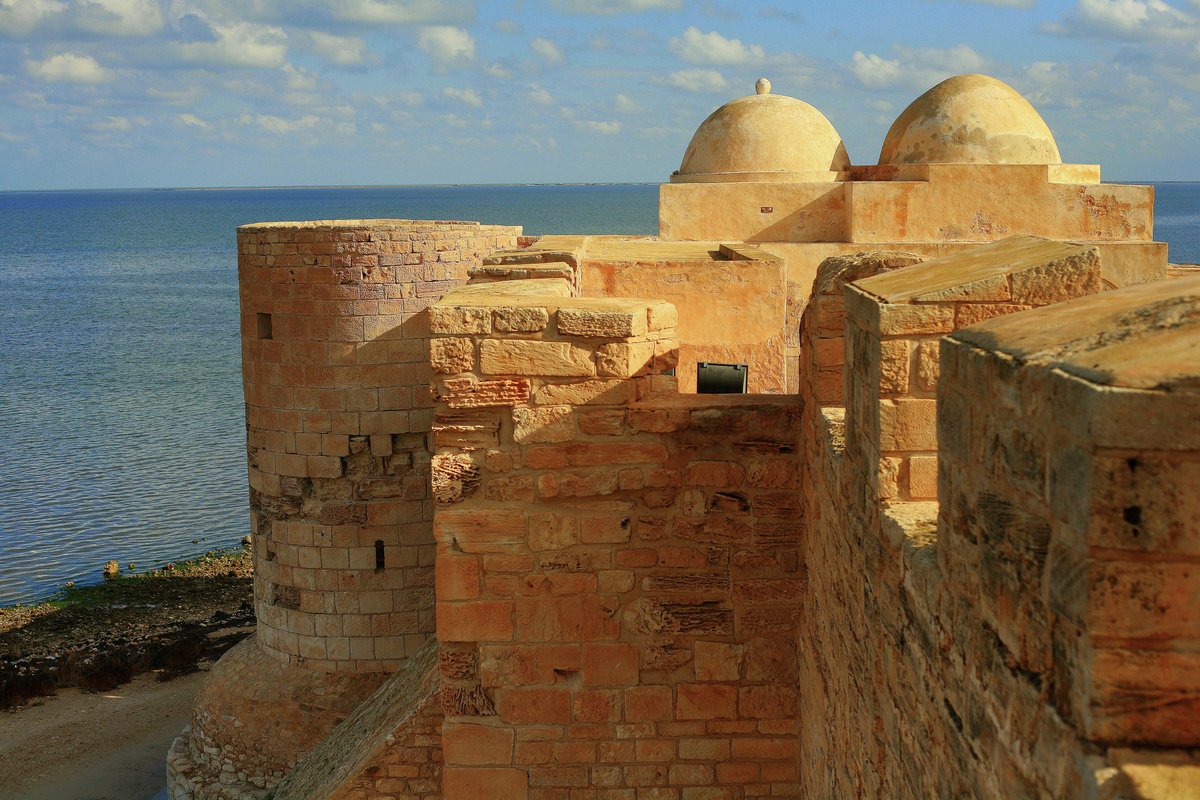

In the shadow of the fishing port in Houmt El Souk lies Borj El Kebir, also known as Borj El Ghazi Mustapha. It remains the largest and best preserved local castle on the island of Djerba. Its name was born from the Qaid who settled the land in 1559.
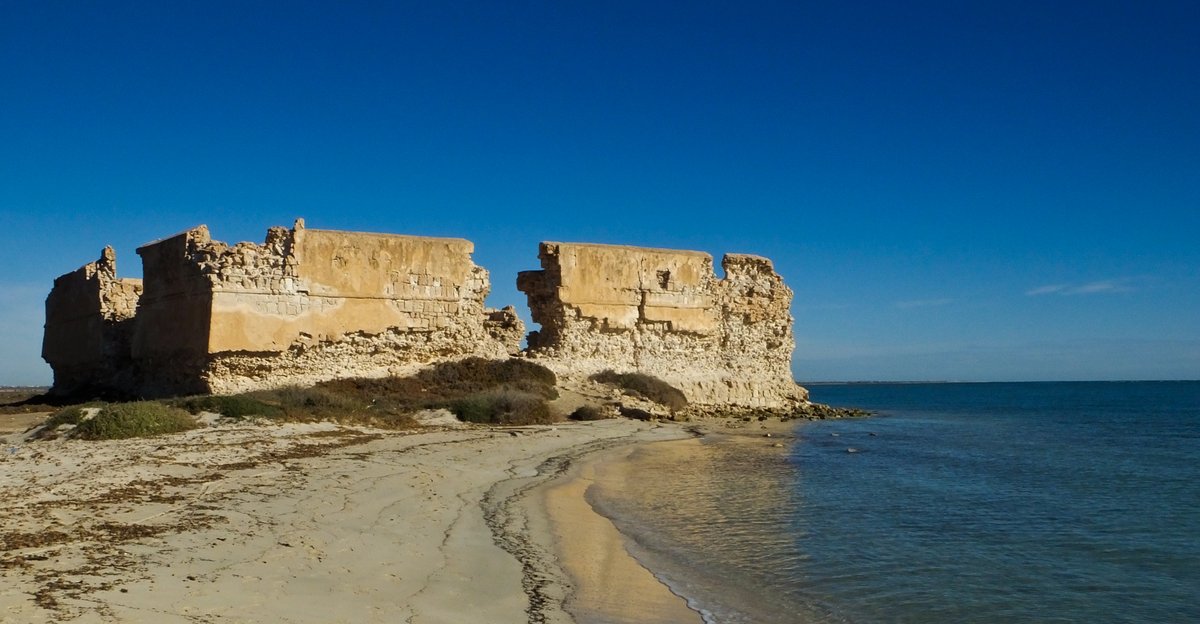
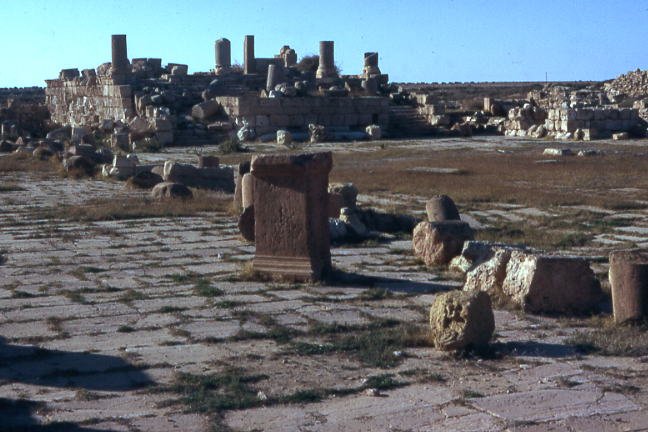
Built at the end of the 14th century, the walls rose over the ruins of the ancient Roman city of Griba. This occurred after the deportation of the soldiers of Alfonso V of Aragon on the orders of the Hafsid sultan of Tunisia. The fortress grew even larger in 1450.
The heavy silence of the stones was broken on 28 July 1881 when French troops settled within the walls. In 1903, it became the property of the Tunisian authorities. They granted it the status of a national historical monument on 15 March 1904 and turned it into a museum. Restoration began in 1969 and reached completion in the early 1980s.
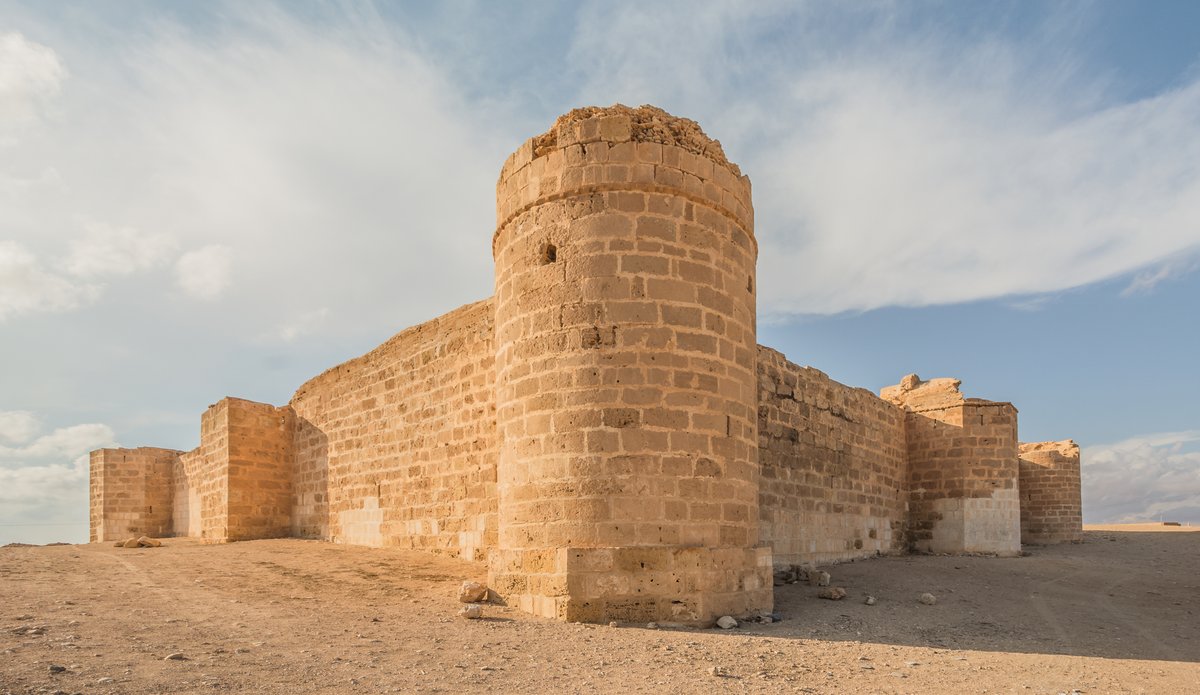
Today, the monument keeps its rectangular form like a tomb of memories. It houses two mausoleums, Sidi Saad and Ghazi Mustapha, built for Ghazi Mustapha Bey.
Sources: Wikipedia, OpenStreetMap, Wikidata, Wikimedia Commons

Written by Mutabor
Discuss this with the author and others
No comments yet. Be the first to start the conversation.