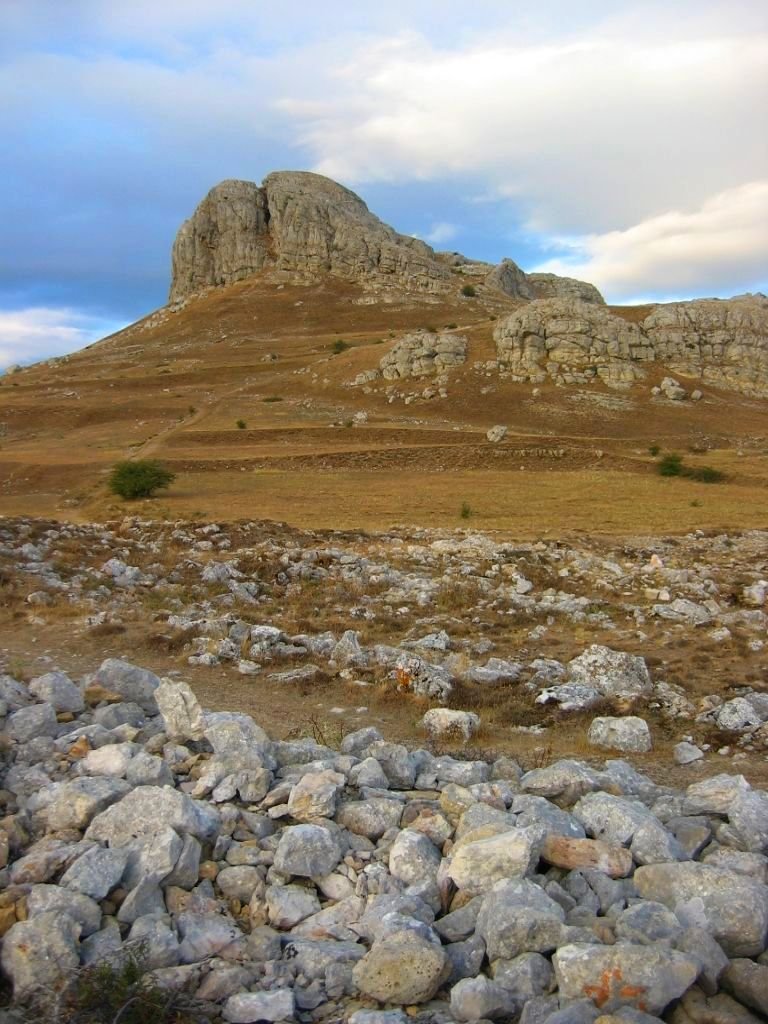

Amaya, situated in the municipality of the same name in the province of Burgos, Spain, was once home to a pre-Roman Celtic settlement. Strategically placed overlooking the Odra River valley, Amaya served as the capital of the Duchy of Cantabria, the core of a thriving Celtic kingdom that endured for nearly a millennium. However, it was subject to repeated plundering by Roman, Visigothic, and Arab armies. Now, Amaya is remembered as a historically short-lived bishopric, granted the title of a titular see by the Catholic Church.
The Indo-European name Amaya, meaning ‘mother city’ or ‘mother’, was inhabited by the Cantabri Celtic tribes. They played a decisive role in the Cantabrian wars during the Roman conquest of Hispania, with Musaa ibn Nusair and Tariq each leading their forces to sack Amaya, the latter in 714. Peter, the provincial dux, led his people into the surrounding mountains following the Berber garrison’s attack on Amaya in the same year. Amaya was part of the re-populating efforts of the Kingdom of Asturias in the Bardulia border region, during the reign of Ordoño I of Asturias (850-866).
Amaya’s strategic location played a crucial role during the Reconquista. Today, it stands as a quiet village, a testament to the rise and fall of the ancient Celtic kingdom that ruled here.
Sources: Wikipedia, OpenStreetMap, Wikidata, Wikimedia Commons
Written by Nicolo Ciampini
Discuss this with the author and others
No comments yet. Be the first to start the conversation.