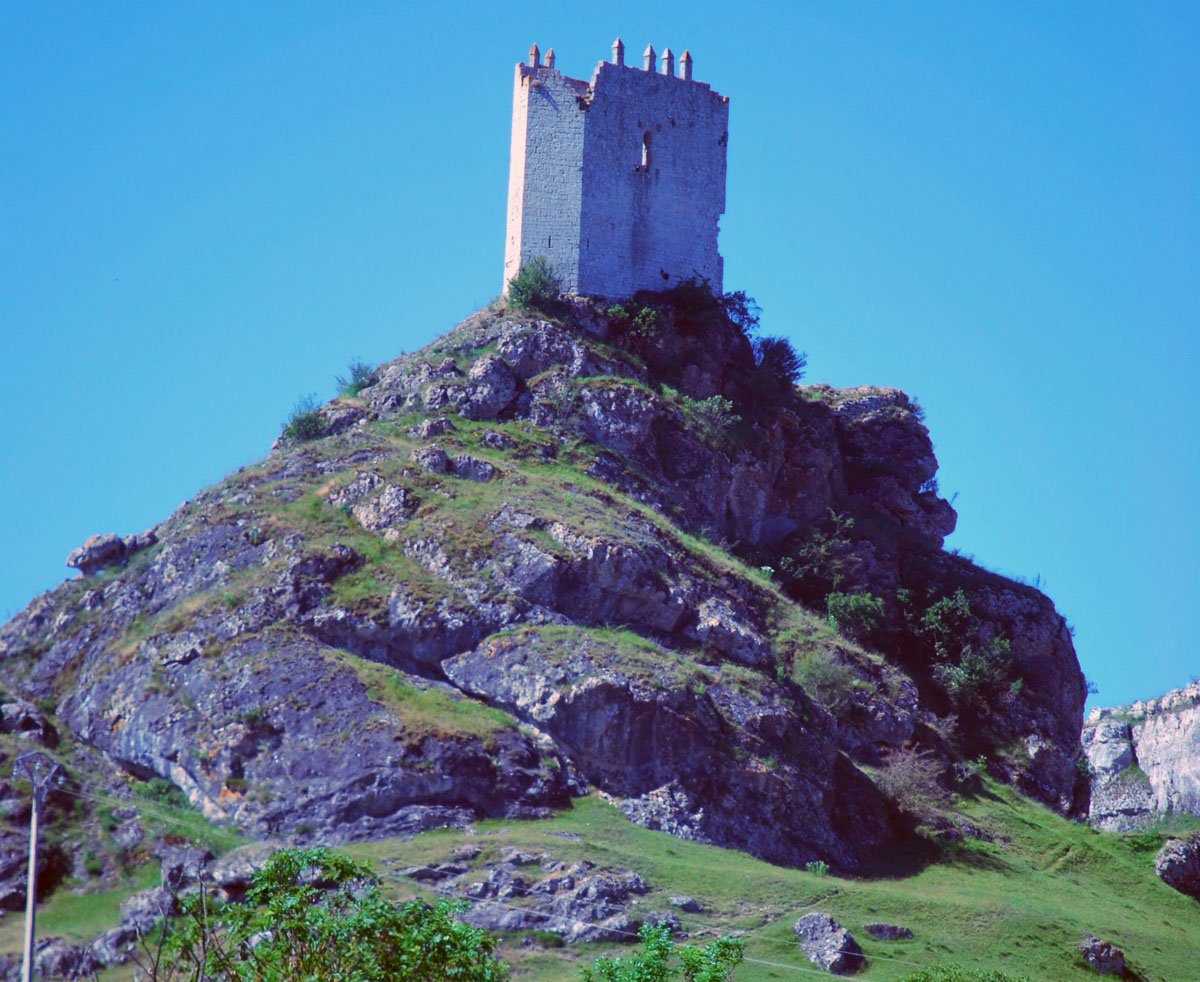

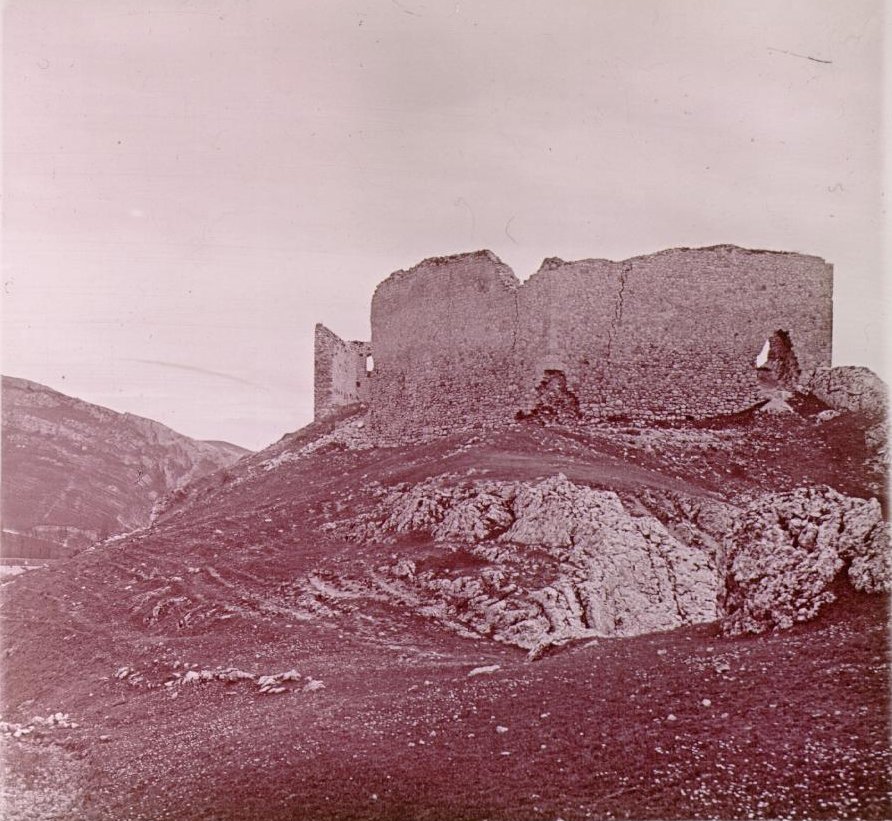
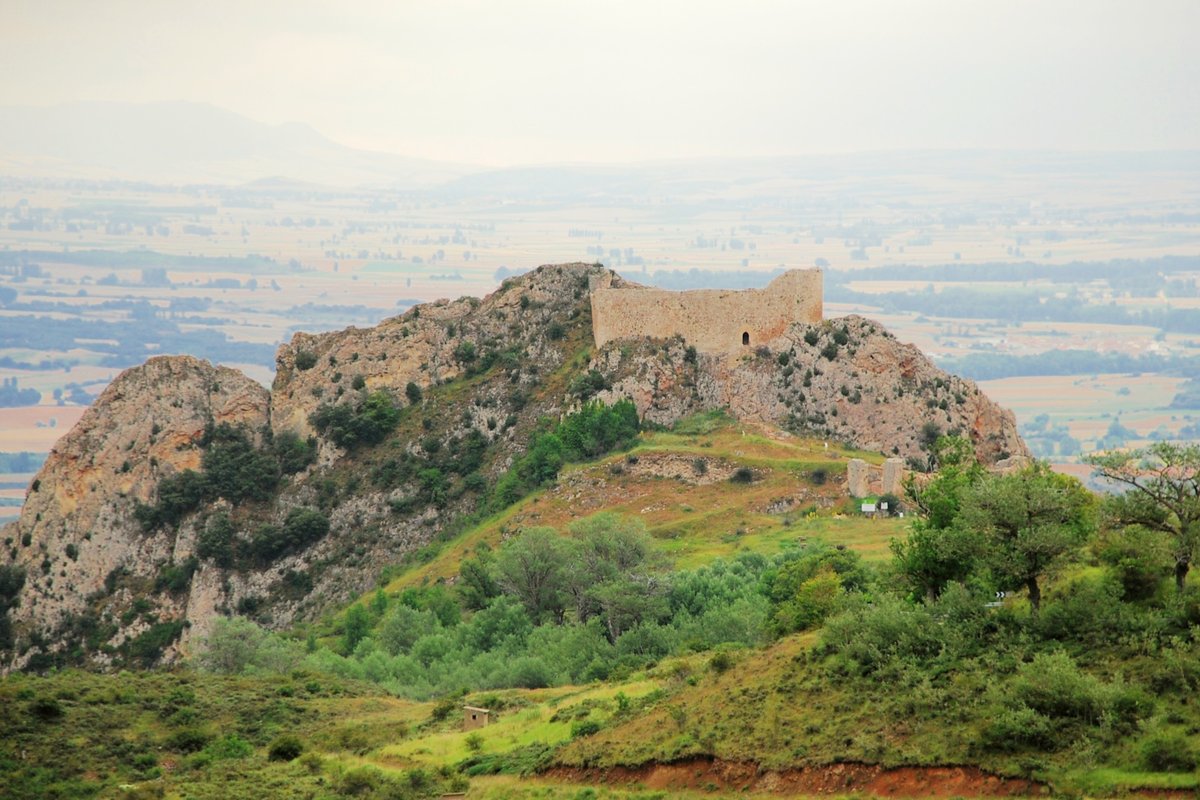
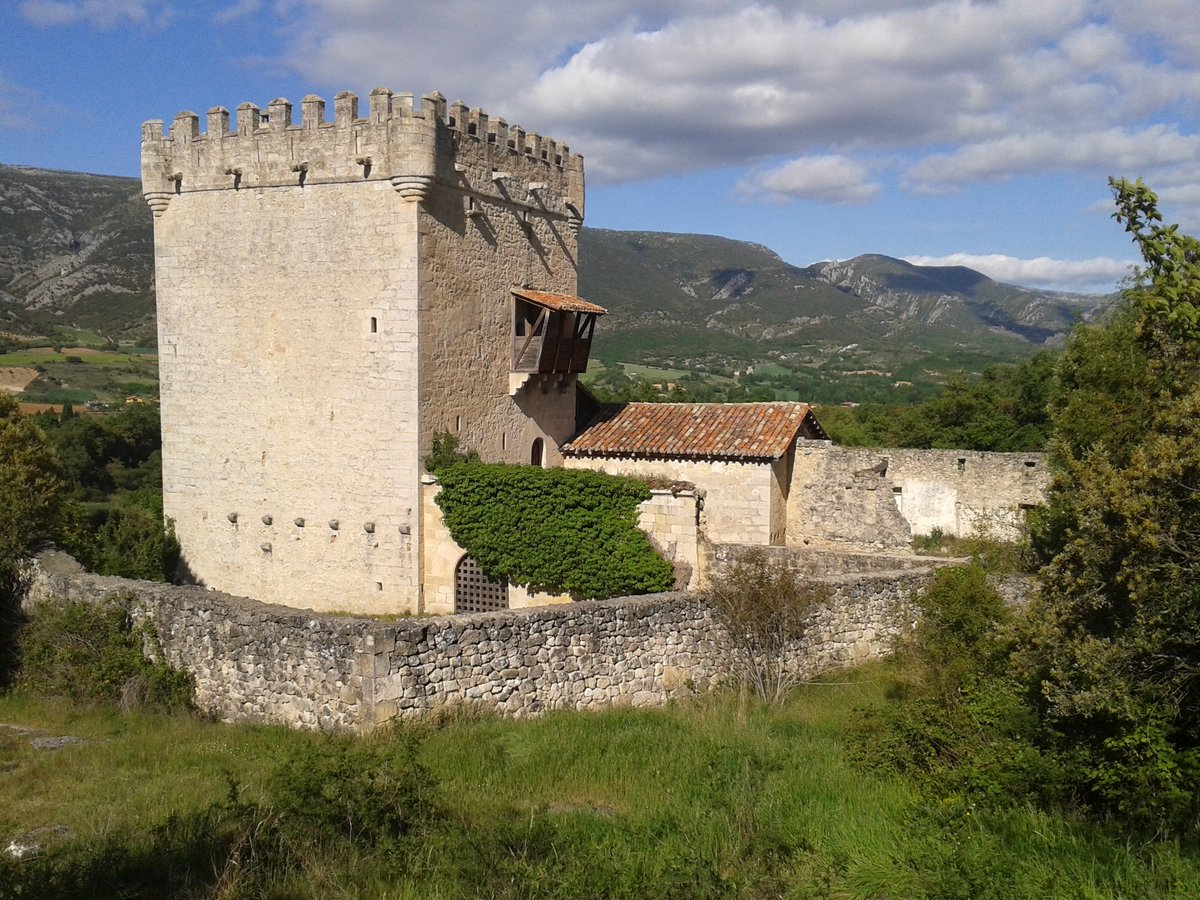
The Castillo de Úrbel is a rock castle located in the municipality of Úrbel del Castillo, in the province of Burgos. Situated on an isolated hill with an uneven surface, the site's topography limited its size. The current remains date back to the 15th century and were built by the Zúñiga family, though the structure maintains many of its Romanesque characteristics.
The importance of the fortress is reflected in the name of the village, which was founded around it. The current castle originated from the expansion of the territory in the 9th century. By 1029, the area was noted to have two castles, La Piedra and Urbel, which formed a defensive line to block entry into the upper course of the Urbel River. During the 10th century, the site became a border point between Castile and Navarra. After 1054, it served as a control point for the region, protecting irrigated agriculture and livestock.
The castle's architecture features a recognizable tower on the highest point of the cliff, characterized by a long pentagonal plan. Below the tower is a walled terrace on the south side, featuring a small room with a preserved window-like opening and markings for columns. On the west side, remains of a thick wall and a possible cistern exist. While a modern path currently leads to the tower, remains suggest an original staircase was carved into the rock to provide direct access to the water source while staying inside the fortified area.
Sources: Wikipedia, OpenStreetMap, Wikidata, Wikimedia Commons
Written by Nicolo Ciampini
Discuss this with the author and others
No comments yet. Be the first to start the conversation.