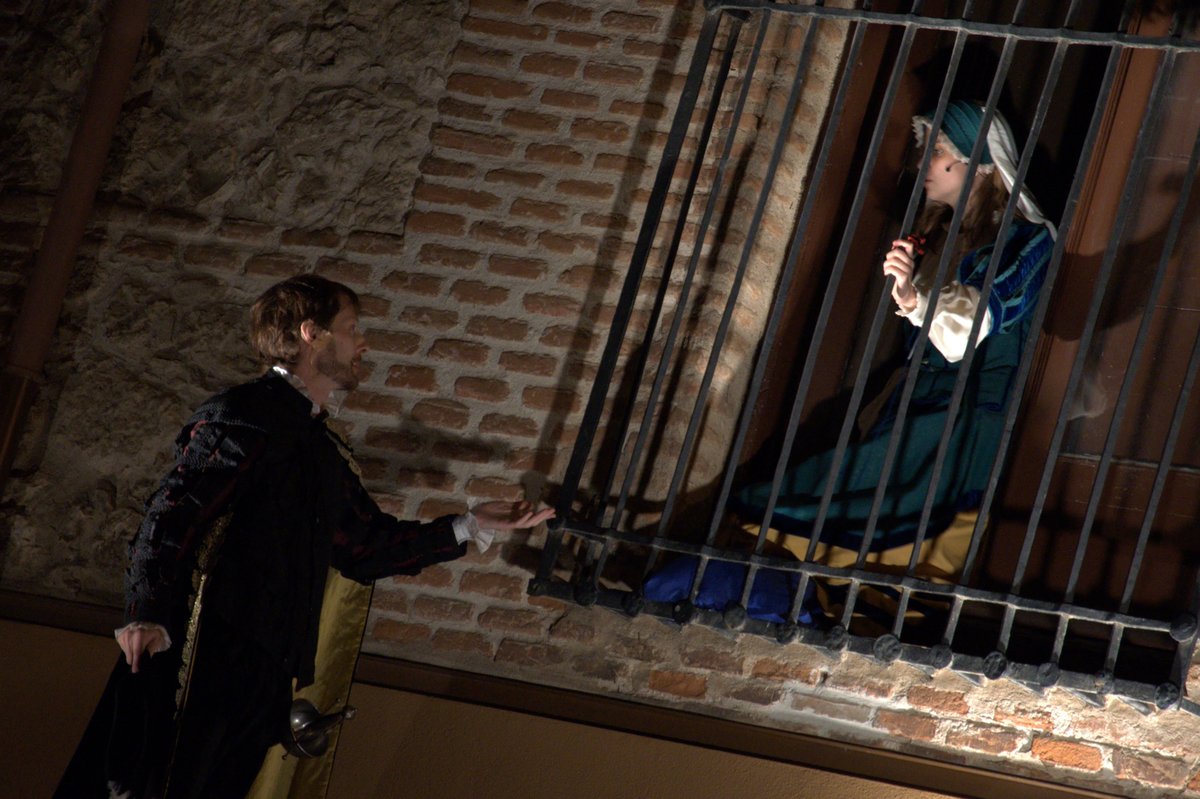

The Palacio de la Cotilla, a 17th-century palace in Guadalajara, Spain, bears an unusual name that harks back to a wealthy woman from the 16th century. Inés de la Cotilla lent her name to the palace that would later become the property of the marquises of Villamejor. The palace was built on the houses of Inés de la Cotilla, who came from a prominent family in Guadalajara. The palace, damaged by a large fire in November 1920, was constructed in the early 17th century and has two floors, with a large surface area, following the architectural models of the time.
The façade is made of brick, with balconies and a white marble entrance adorned with a coat of arms. The interior of the palace is articulated around a central patio with a corridor supported by calcareous columns and carved capitals. In 1892, the owners of the palace, Ignacio Figueroa and Ana de Torres, commissioned architect Manuel Medrano de Miguel for the expansion of the palace towards the garden. The palace was declared a monument of cultural interest in the category of monument in 2023, being one of the few surviving examples in the city of 17th-century civil architecture and for the valuable ornamental and architectural elements it contains.
Sources: Wikipedia, OpenStreetMap, Wikidata, Wikimedia Commons
Written by Nik Frost
Discuss this with the author and others
No comments yet. Be the first to start the conversation.