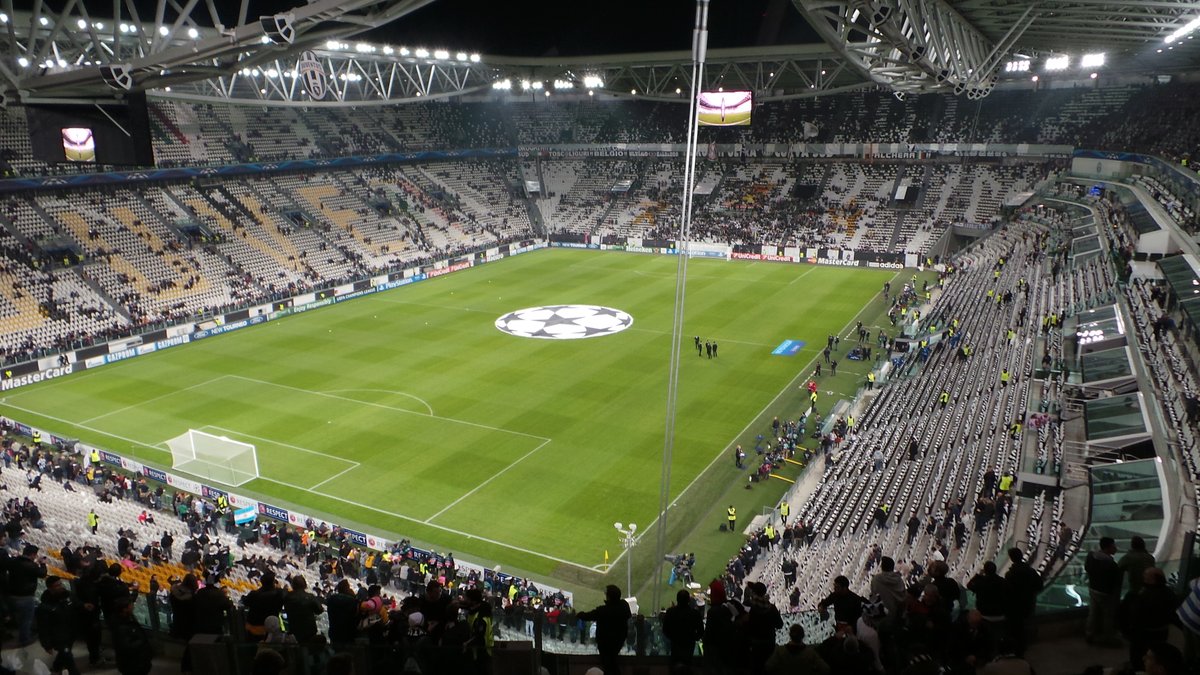

Once home to the 1990 World Cup, the Stadio delle Alpi saw Juventus relocate to a more modern venue. The Allianz Stadium, completed in 2011 on the site of its predecessor, broke new ground by setting the first post-modern structure and becoming the first football stadium to be built without architectural barriers in Italy. Blending the old and new, the Juventus Stadium stands as a symbol of progress in Italian football. Originally financed with an advanced payment of €35 million from Sportfive, a loan of €50 million (later increased to €60 million) from Istituto per il Credito Sportivo, and a payment of €20.25 million for land used in the construction, the stadium has incorporated features such as solar energy and waste reduction initiatives to reduce its environmental footprint.
The first competitive match played at the Juventus Stadium was against Parma, with Stephan Lichtsteiner scoring the first goal. The stadium, now known as the Allianz Stadium due to a sponsorship agreement, has since hosted the UEFA Europa League final, the UEFA Nations League Finals, and the UEFA Women's Champions League final. Around the stadium, visitors can find structures related to the club such as the J-Museum, J-Medical, and a concept store, as well as a shopping center.
Sources: Wikipedia, OpenStreetMap, Wikidata, Wikimedia Commons
Written by Nicolo Ciampini
Discuss this with the author and others
No comments yet. Be the first to start the conversation.