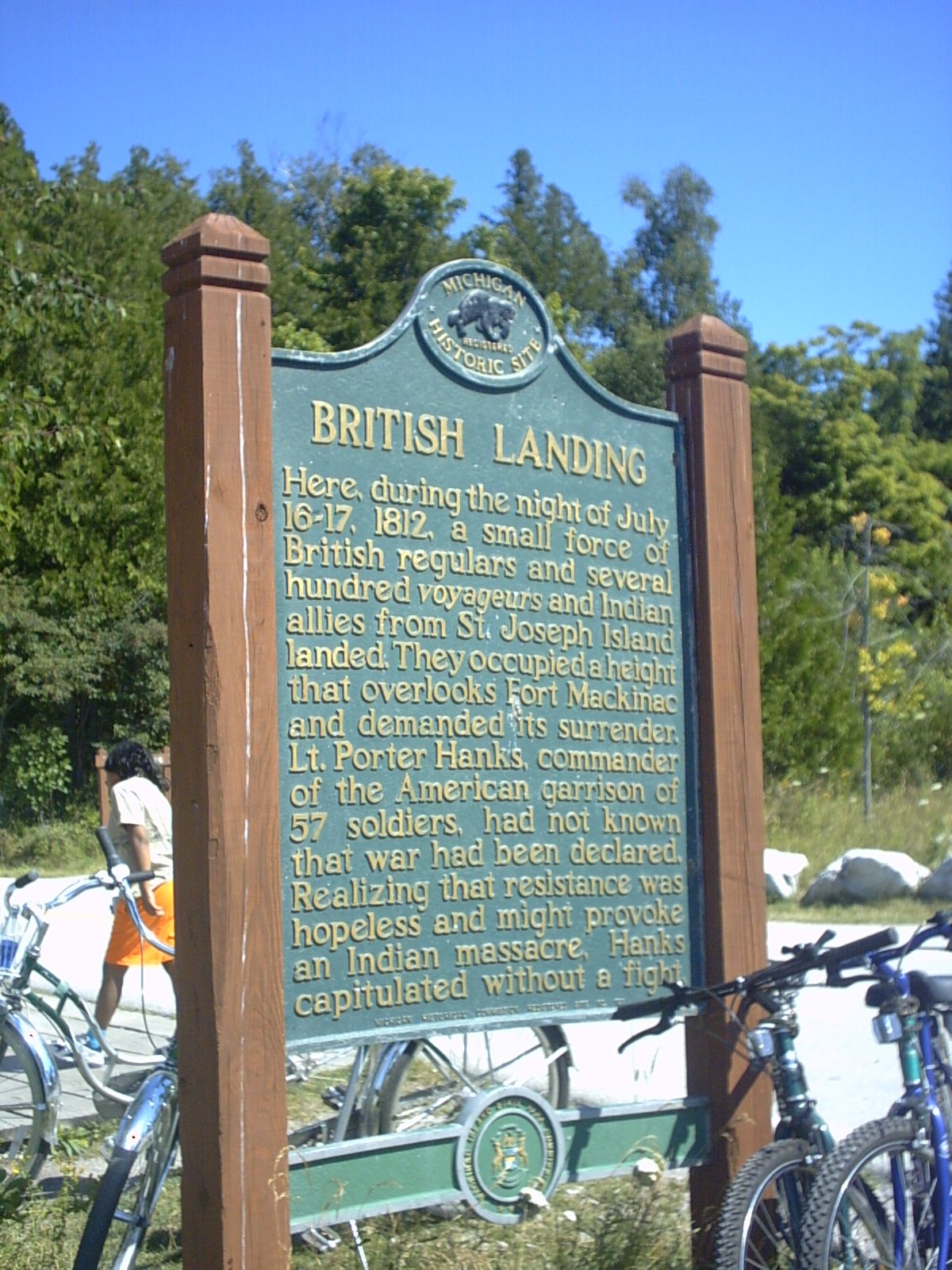

Back on the night of July 16 and 17 in 1812, a British Army force teamed up with Native American and other indigenous allies for a move on Mackinac Island. They pulled off a stealthy canoe trip to the north shore, landing so quietly that the American army had no clue they were there. The group hauled light cannons over to British Landing and hauled them inland to a position overlooking Fort Mackinac.
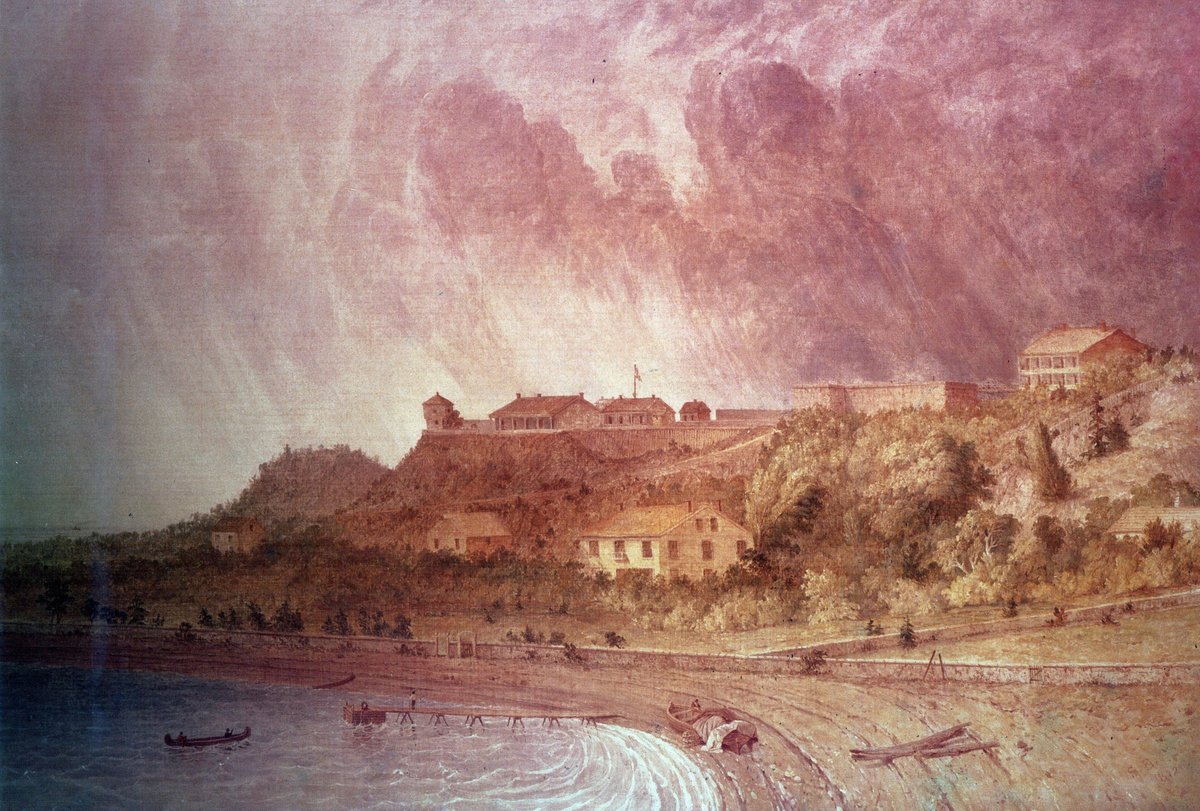
When the sun came up on July 17, the British and Natives revealed their troops and cannons to demand the fort's surrender. The whole mission was a win. Fort Mackinac fell to the British without a single person getting hurt. This happened because the American military intelligence was pretty bad and never told the fort that war had even started.
Fast forward to August 4, 1814, and an American expeditionary force tried to take the fort back by landing at British Landing. They did not have the element of surprise like the British did back in 1812, so the mission flopped. They ended up having to get back on their boats that same day.
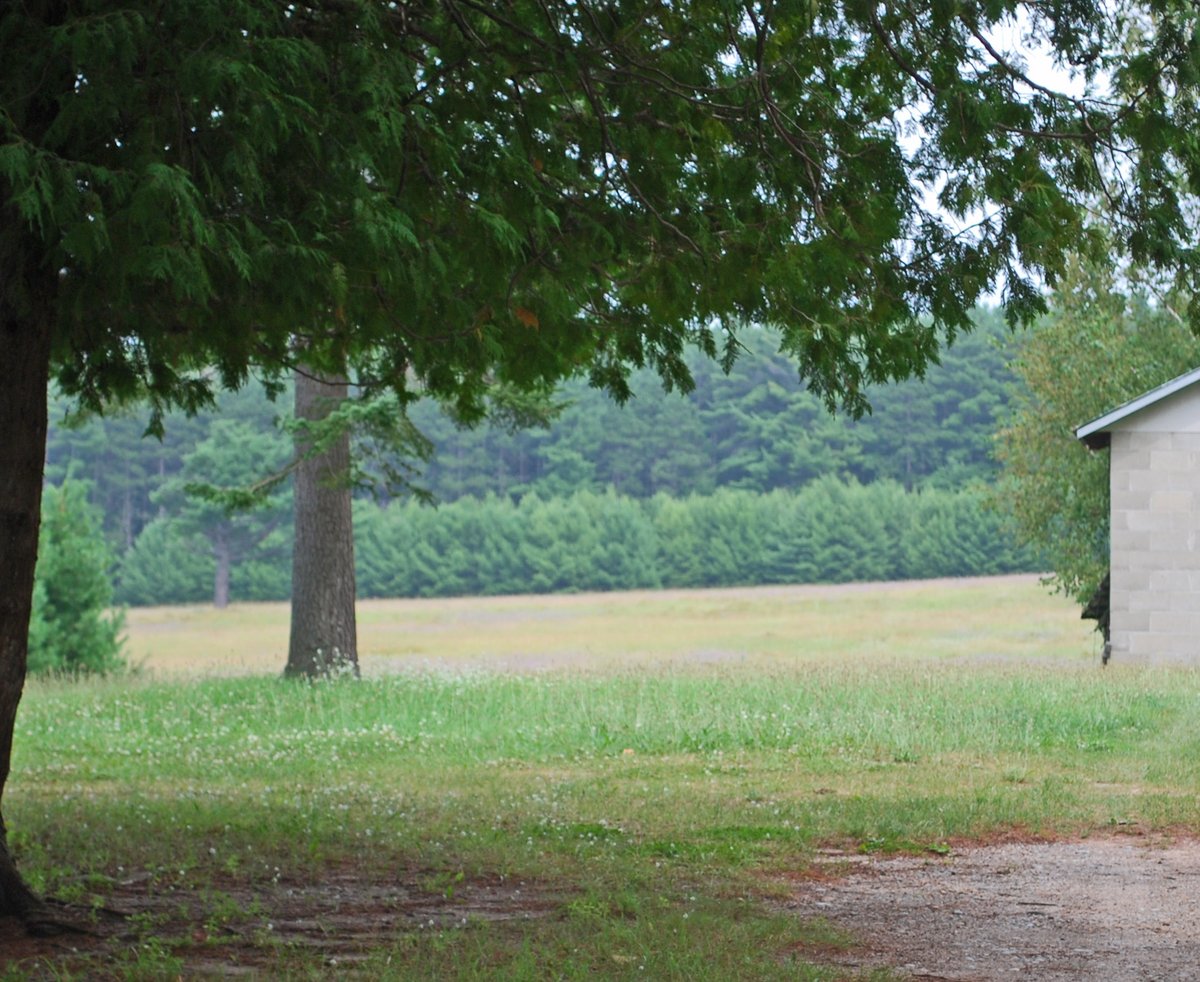
If you head out to M-185 today, you will find that British Landing is a major spot on the bike path and non-motorized road along the Mackinac Island shoreline. Most of the area is part of Mackinac Island State Park, where people ride horses or bikes during the summer. There is a historic marker there that became a registered Michigan historic site in 1958.
Sources: Wikipedia, OpenStreetMap, Wikidata, Wikimedia Commons
Written by Friendly Jane
Discuss this with the author and others
No comments yet. Be the first to start the conversation.