
Runestone U380

“Åsbjörn and Kus/Gus…”.
Åsbiorn was a common name during the Viking Age. The other name Kuss/Guss is probably a byname, meaning ‘the bent one’.
Did you know that
The practice of erecting rune-inscribed memorial stones occurred in the 960s in Denmark and eventually spread northwards to Norway and Swe-den. Runes had certainly been used long before, but to a limited extent, as magical inscriptions on objects or on rune stones like the famous Rökstenen in the province of Östergötland. For these inscriptions an older runic alphabet with 24 characters was used. In the 10th century it was succeeded by a runic alphabet with 16 characters.
Source: https://www.sigtuna.se (Text: Thorgunn Snædal (National Board of Antiquities) and Sten Tesch (Arkistoria). English translation reviewed by Karin Atterlöf Perslow.)
Guide me
Hear this story where it happened, along with the others around it. Say how many days you have and what you are into, and we put together a route through these places, with a voice guide telling each story as you arrive.
Guide meMore stories in this collection
-
 Runestone U389 Stora Gatan 57, 193 30 Sigtuna, Sweden
-
 Runestone U394 Runstigen 3B, 193 32 Sigtuna, Sweden
-
 The King’s church (S:t Peter’s church ruin) Runstigen 3B, 193 32 Sigtuna, Sweden
-
 Runestone U393 Runstigen, 193 32 Sigtuna, Sweden
-
 Runestone U392 Runstigen 2, 193 32 Sigtuna, Sweden
-
 Runestone U391 Prästgatan 8, 193 30 Sigtuna, Sweden
Stories nearby
-
 Runestone Nf1990 Olofsgatan 4, 193 30 Sigtuna, Sweden · 8 m
-
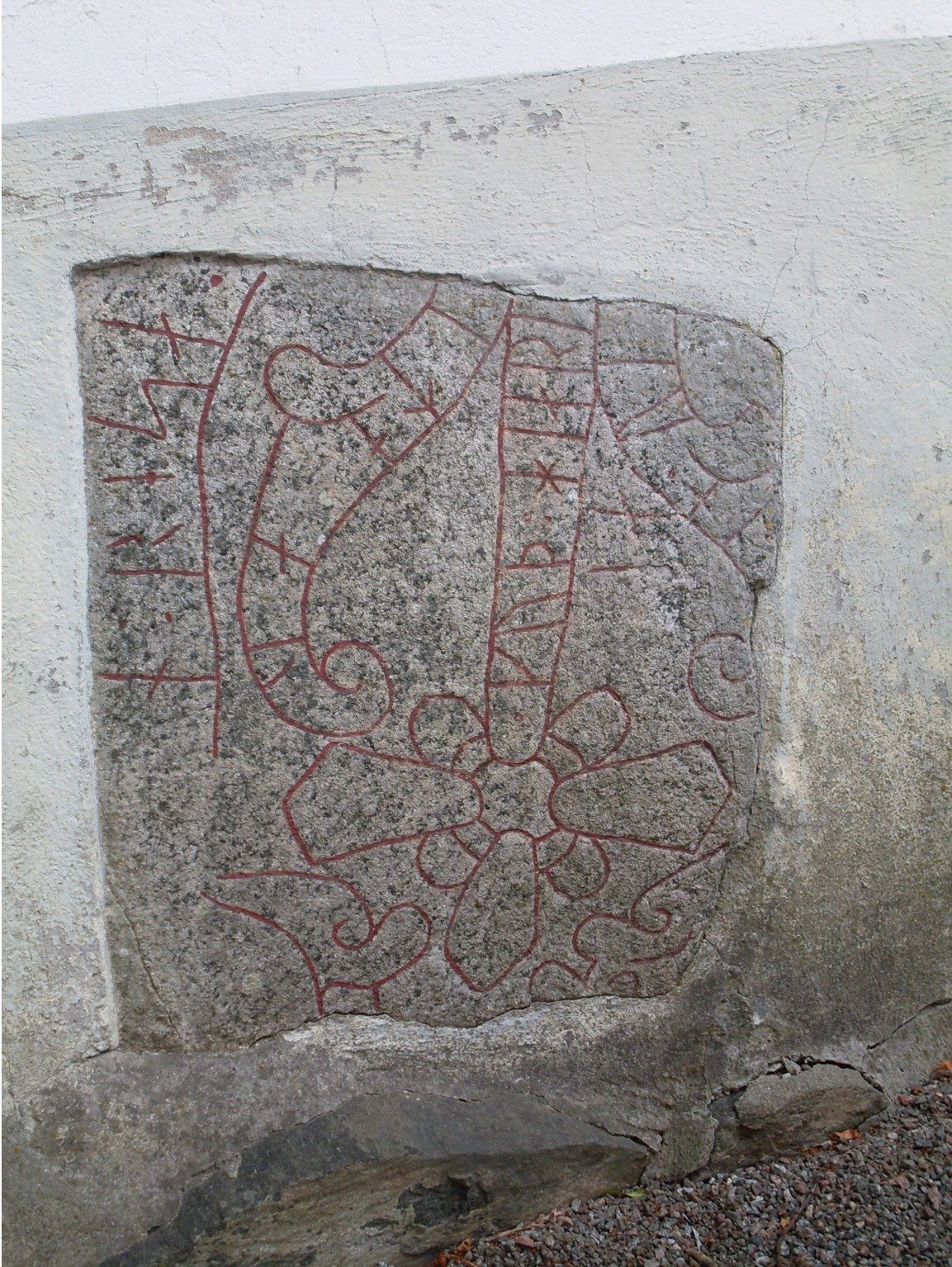 The Runic Fragment of Mariakyrkan's Cemetery 9 m Photo: Hegvald ( talk ), CC BY-SA 3.0
-
 Runestone U380 Olofsgatan 4, 193 30 Sigtuna, Sweden · 12 m
-
 Runestone U381 Olofsgatan 2, 193 30 Sigtuna, Sverige · 13 m
-
 Runestone Nf1990 Olofsgatan 2, 193 30 Sigtuna, Sweden · 14 m
-
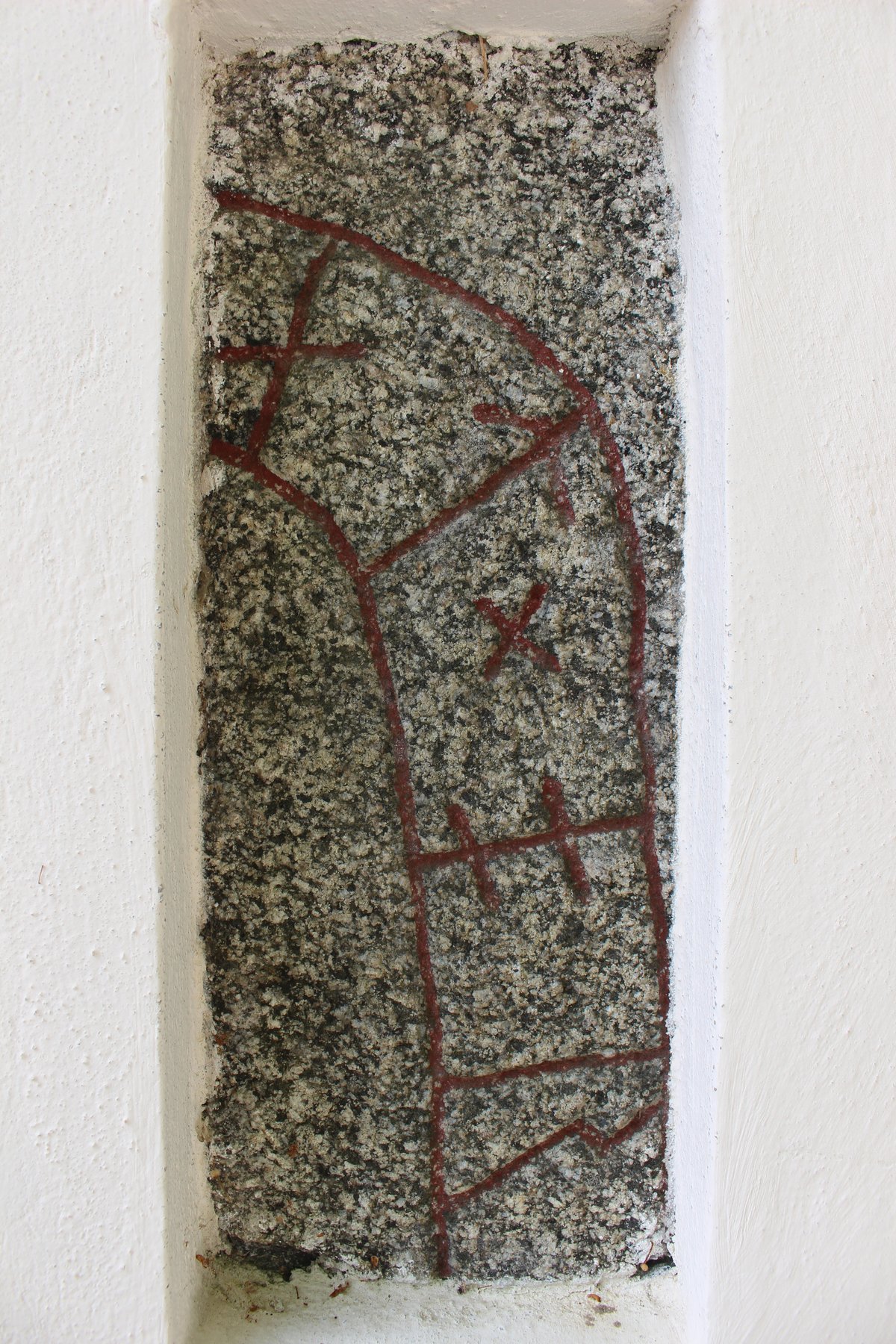 Rune stone fragment at Mariakyrkan 16 m Photo: Ulkl, Public domain
Written by Holly Golightly
Discuss this with the author and others
No comments yet. Be the first to start the conversation.