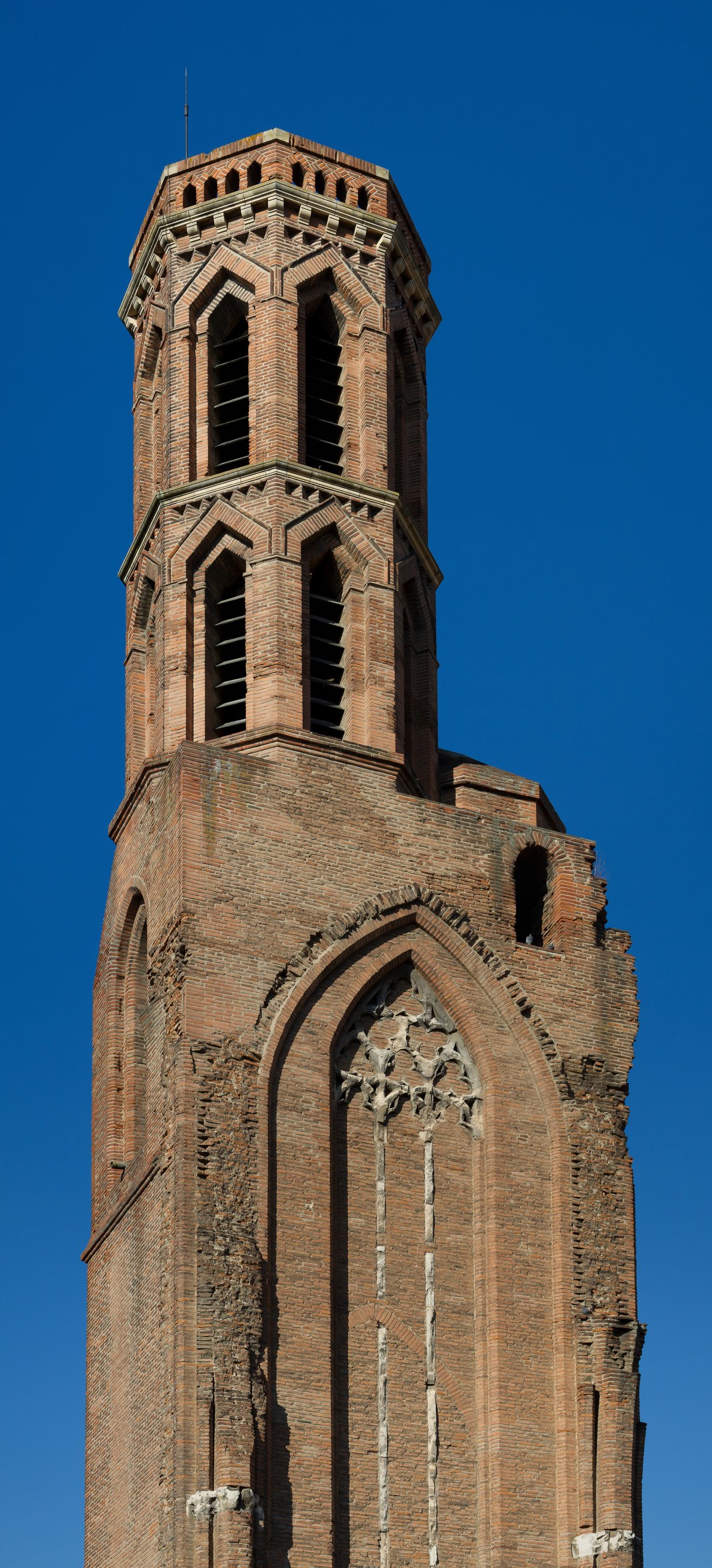

The Cordeliers church in Toulouse was built in the 14th century by the Order of Saint-François, also known as the Franciscans. Constructed to openly rival the nearby church of the Jacobins, it became the second largest church in Toulouse after the basilica of Saint-Sernin. The massive structure boasted a vault height of 25 meters and stretched 86 meters in length, featuring a nave decorated with painted designs meant to resemble ashlar masonry.
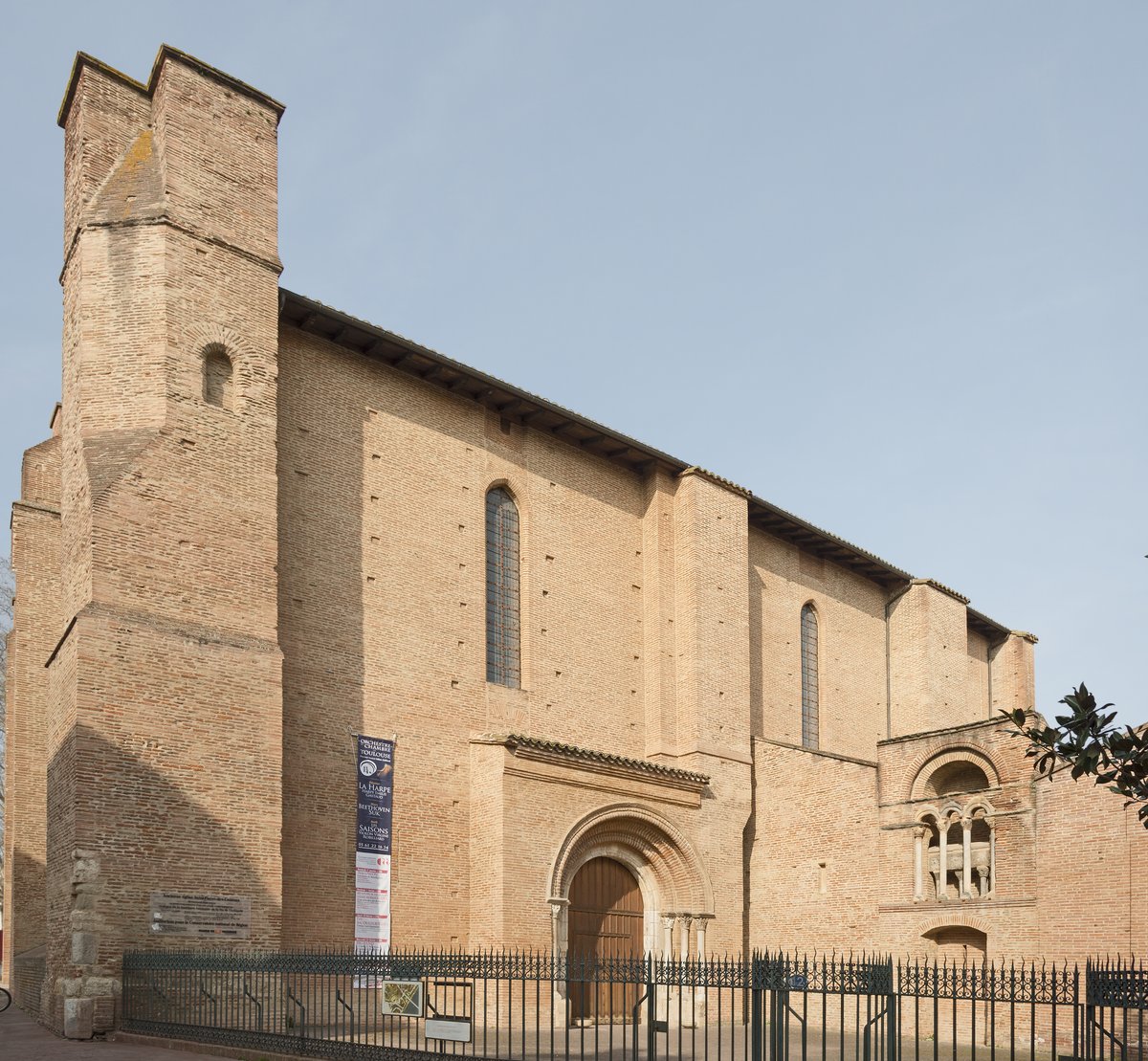
The facade on the current rue Deville is a high brick wall standing 30 meters tall, featuring a stone portal topped by a large triangular pediment. Above the main door, a somewhat presumptuous motto was carved: "Durabit donec fluctus formica marinos / Ebibat, et totum testudo perambulet orbem." This declares that the building would endure until a mouse had drunk the sea and a tortoise had circled the world. While the structure survived a Protestant fire in 1562, it suffered significantly in 1794 when it was sold as national property, its spire was pulled down, and it was eventually used as a prison and a warehouse for over 9,000 quintals of horse fodder.
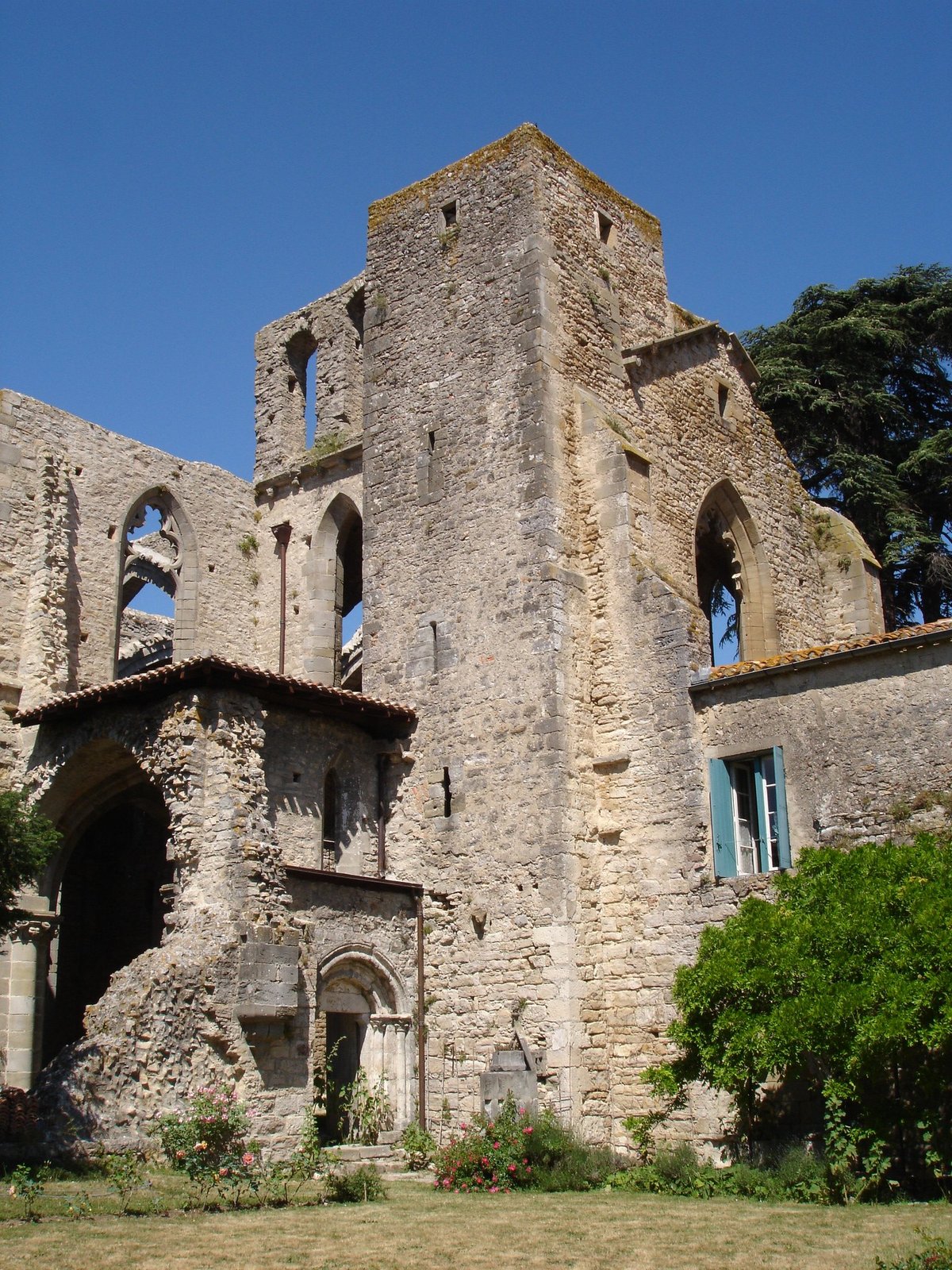
In 1871, a fire ignited within the fodder and completely devastated the nave. By 1873, most of the remaining ruins were demolished. Today, very little remains of the original church except for the bell tower and some fragments of the southern portal's moldings visible on the rue du Collège de Foix. Some architectural elements, such as gargoyles, were recovered and are now held at the Musée des Augustins, while a rare surviving piece of altar textile is preserved at the Musée Paul-Dupuy.
Sources: Wikipedia, OpenStreetMap, Wikidata, Wikimedia Commons
Written by Nicolo Ciampini
Discuss this with the author and others
No comments yet. Be the first to start the conversation.