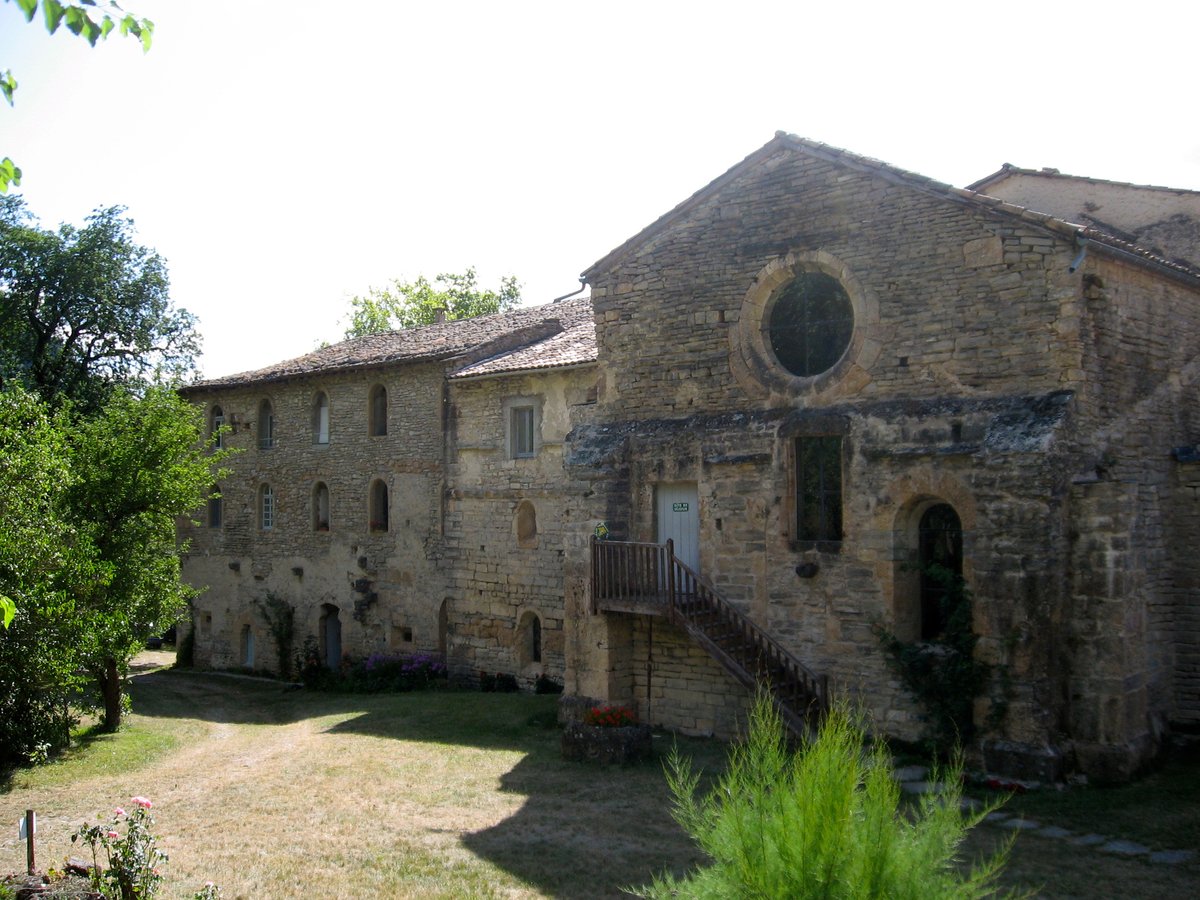

The site of the Abbaye de Valcroissant in the commune of Die was the site of a specus from an aqueduct that supplied the city of Dea Augusta. This feature was discovered in July 1962.
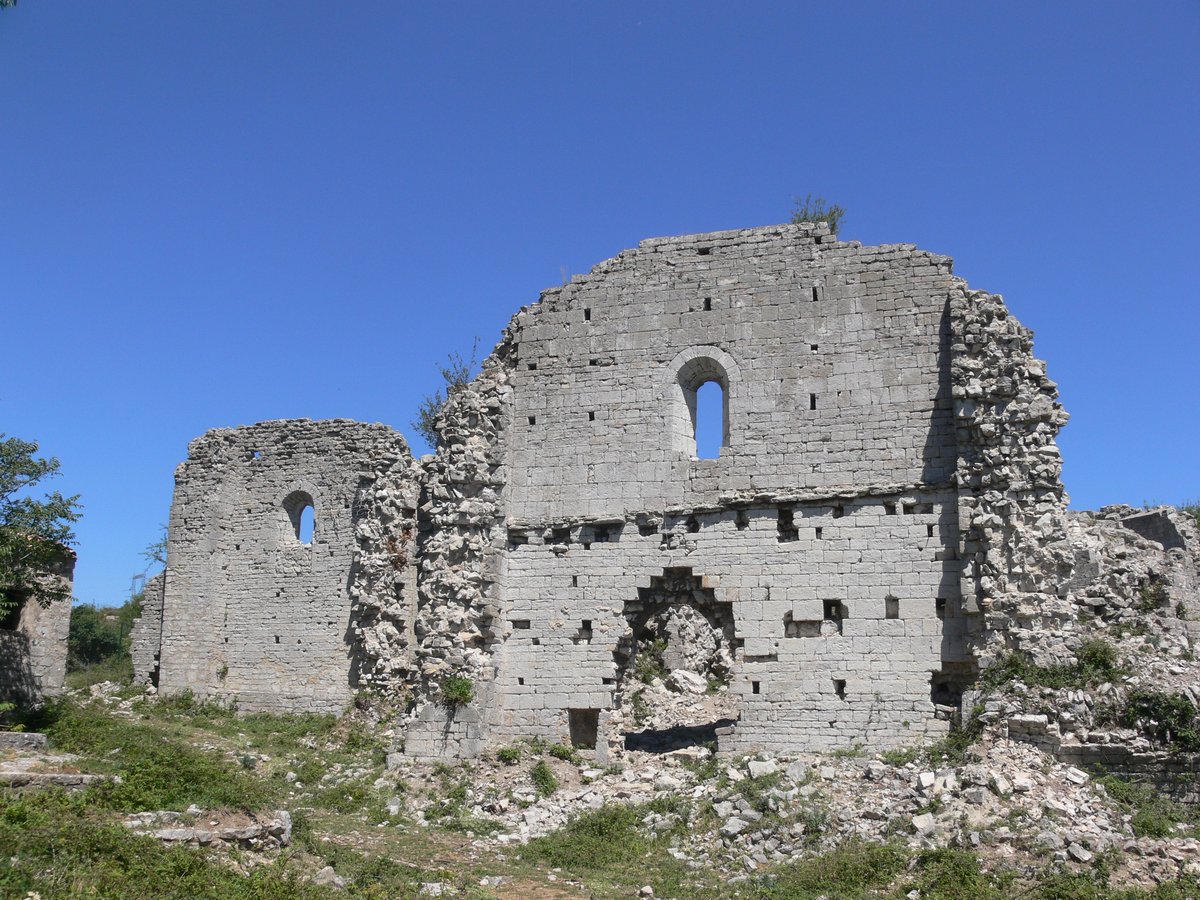
Founded in 1188 by the monks of the abbey of Bonnevaux, the abbey never saw significant development. It housed only about a dozen monks, which is reflected in the relatively small size of the buildings. The abbey church is shorter on the facade side than comparable Cistercian abbeys, and the sacristy is located in one of the chapels of the chevet.
During the Wars of Religion, the abbey was ruined. It subsequently became an agricultural site, which paradoxically saved the buildings. The owners maintained the structures to use them as a sheepfold or barn. In 1893, Jules Dautheville and his wife Pauline purchased the abbey, but a project to create a Protestant orphanage failed after the pastor's early death.
In the 1950s, mathematician Marcel Légaut and his wife purchased the abbey. They restored the site while maintaining its agricultural activity, particularly livestock farming. The abbey was added to the inventory of historical monuments on October 25, 1971. Restoration continued into the 21st century under Rémy Légaut, his wife Martine, and the association "Amis de Valcroissant."
Sources: Wikipedia, OpenStreetMap, Wikidata, Wikimedia Commons
Written by Nicolo Ciampini
Discuss this with the author and others
No comments yet. Be the first to start the conversation.