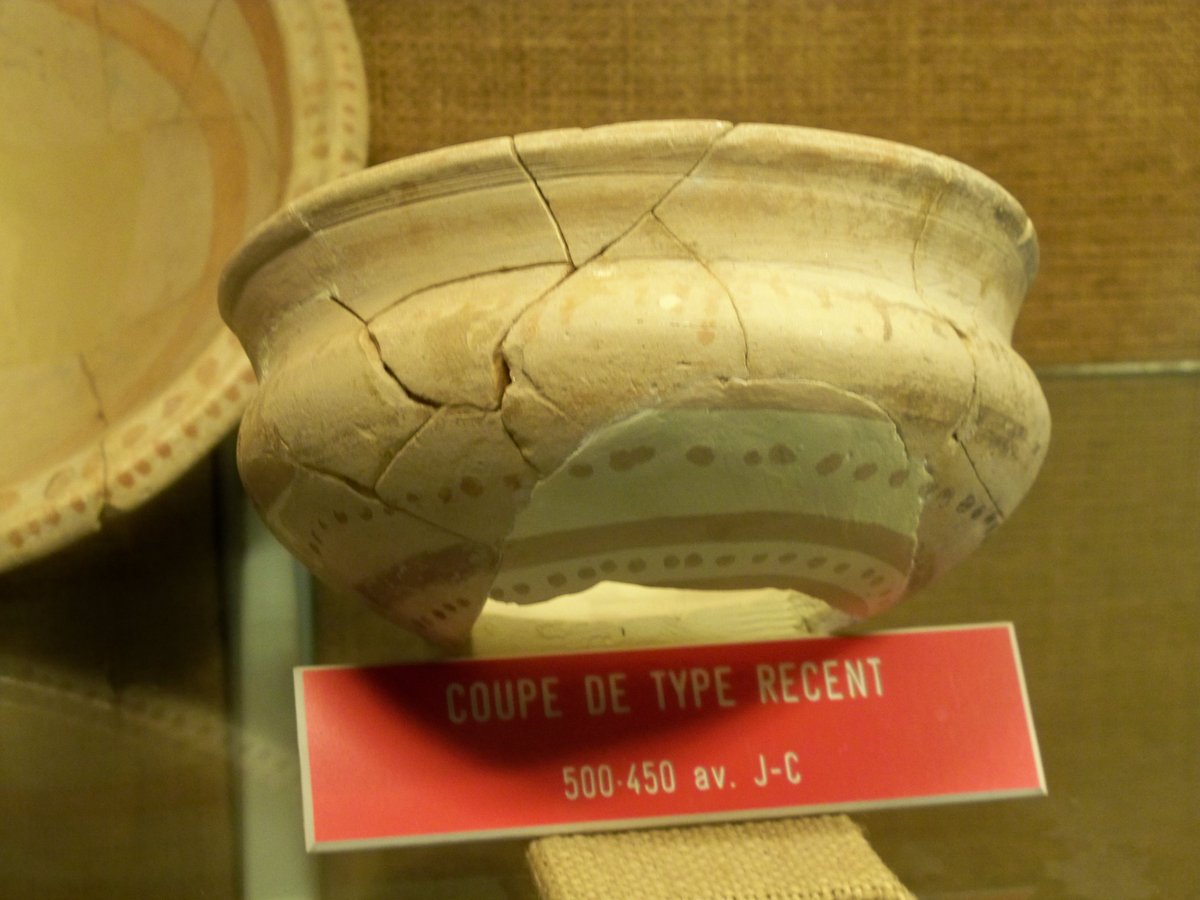

The Oppidum Saint-Marcel functioned as a massive trade outpost, or emporion, for the Phocéens of Massalia. It began as a place to swap grain for wine, with the first traces of trade dated to -525. A cultural blending began as pseudo-Ionian pottery was manufactured on-site, providing tangible evidence that the consumption of wine had become a common practice. Between -500 and -475, the site's role as an emporion was solidified with the creation of the first large grain silos.
Things took a turn when maritime routes shifted between -450 and -400. The site was burned by looters during this period of decline. However, the oppidum regained its economic importance for the Phocéen wine trade. This second period of the emporium saw the reconstruction of large grain silos and the appearance of a new pseudo-Ionian pottery.
Archaeologists found a large number of silver coins on the site during a period of commercial relations with the interior. These Massalian coins, minted between -350 and -200, included silver obols with the head of Apollon. During a transition period, the invention of the barrel likely allowed for independent transport and trade of wine. A gap of one and a half centuries exists between the disappearance of Massalian pottery and the appearance of the succeeding Italo-Greek amphorae.
By -125, the population of the oppidum had increased, though the coinage changed to include silver denarii struck with the "rider of the Rhône valley." This period came to an end with the siege of Massalia in -49 and the defeat of the Greeks by Caesar's armies. The emporium lost all economic importance and was definitively abandoned.
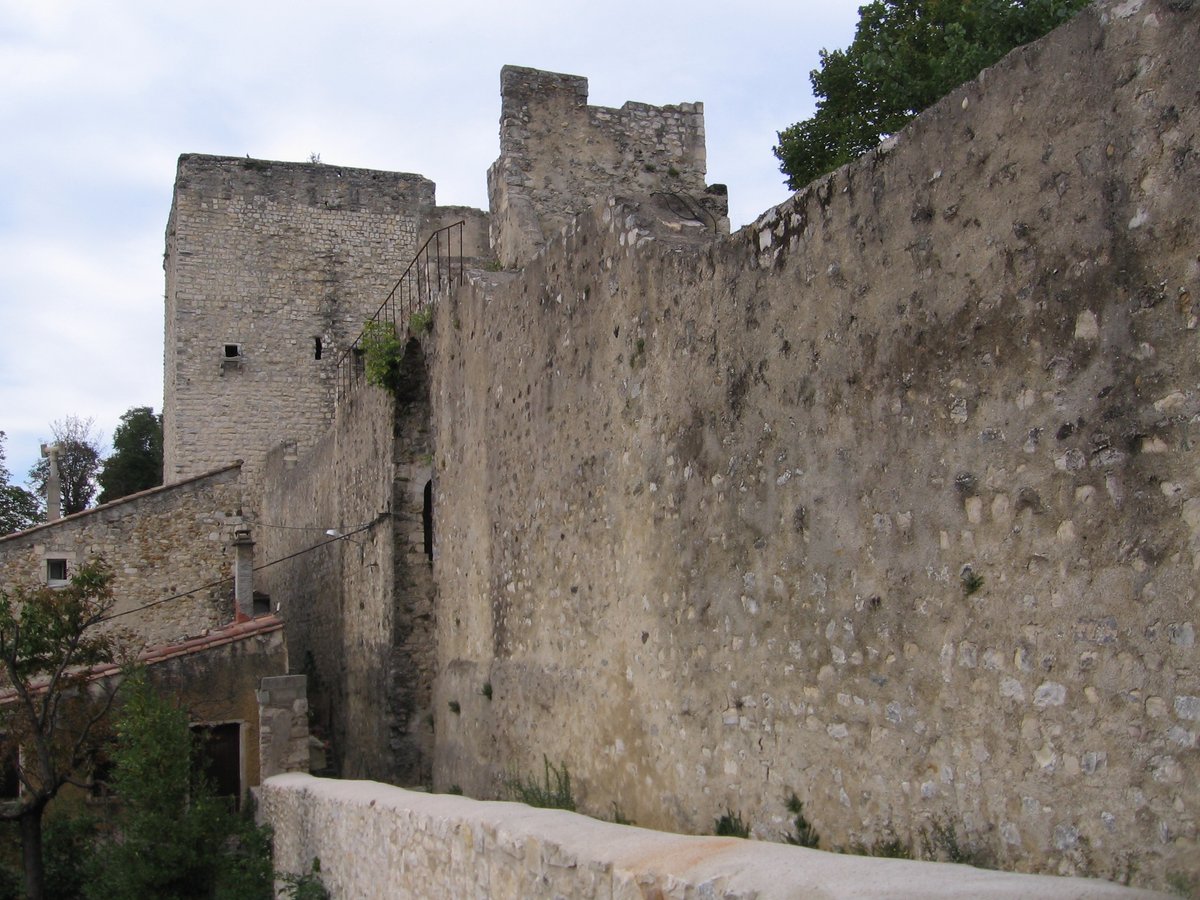
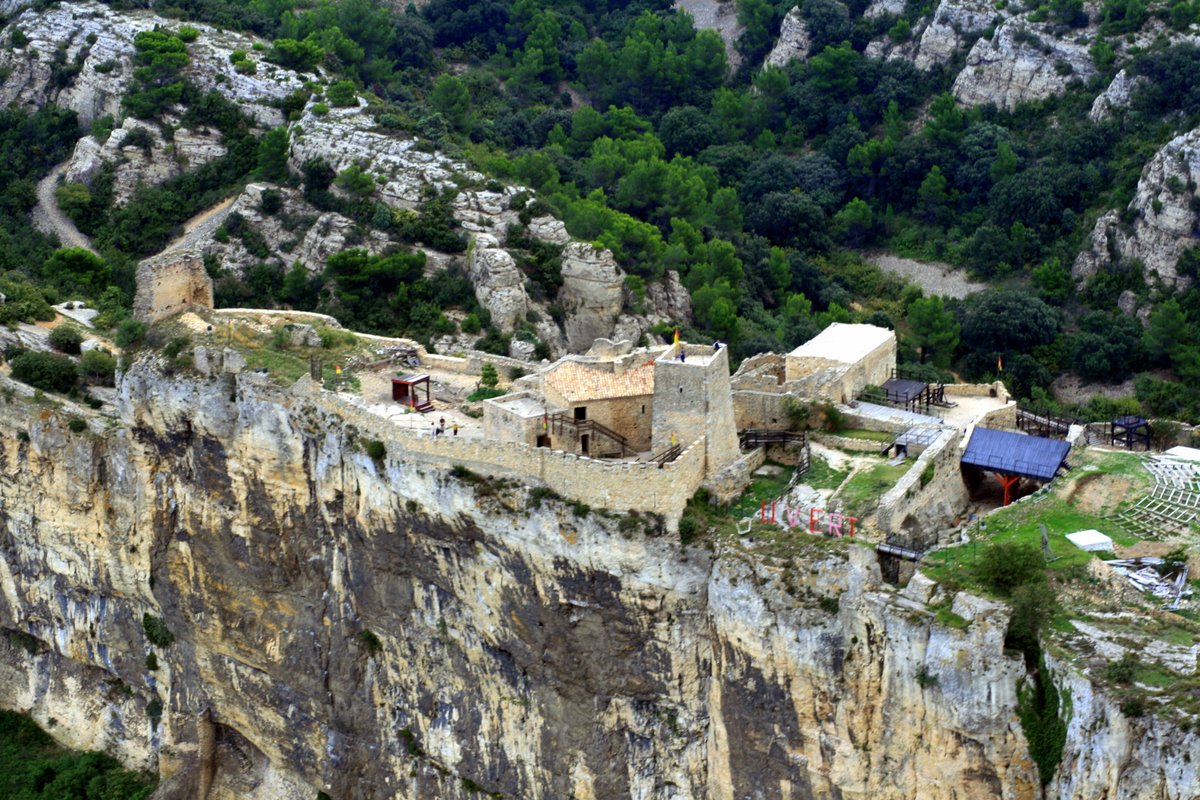
Today, the site is a protected historical monument. The archaeological remains of this prehistoric fortification and habitation were first officially classified on December 2, 1993.
Sources: Wikipedia, OpenStreetMap, Wikidata, Wikimedia Commons


Written by Nicolo Ciampini
Discuss this with the author and others
No comments yet. Be the first to start the conversation.