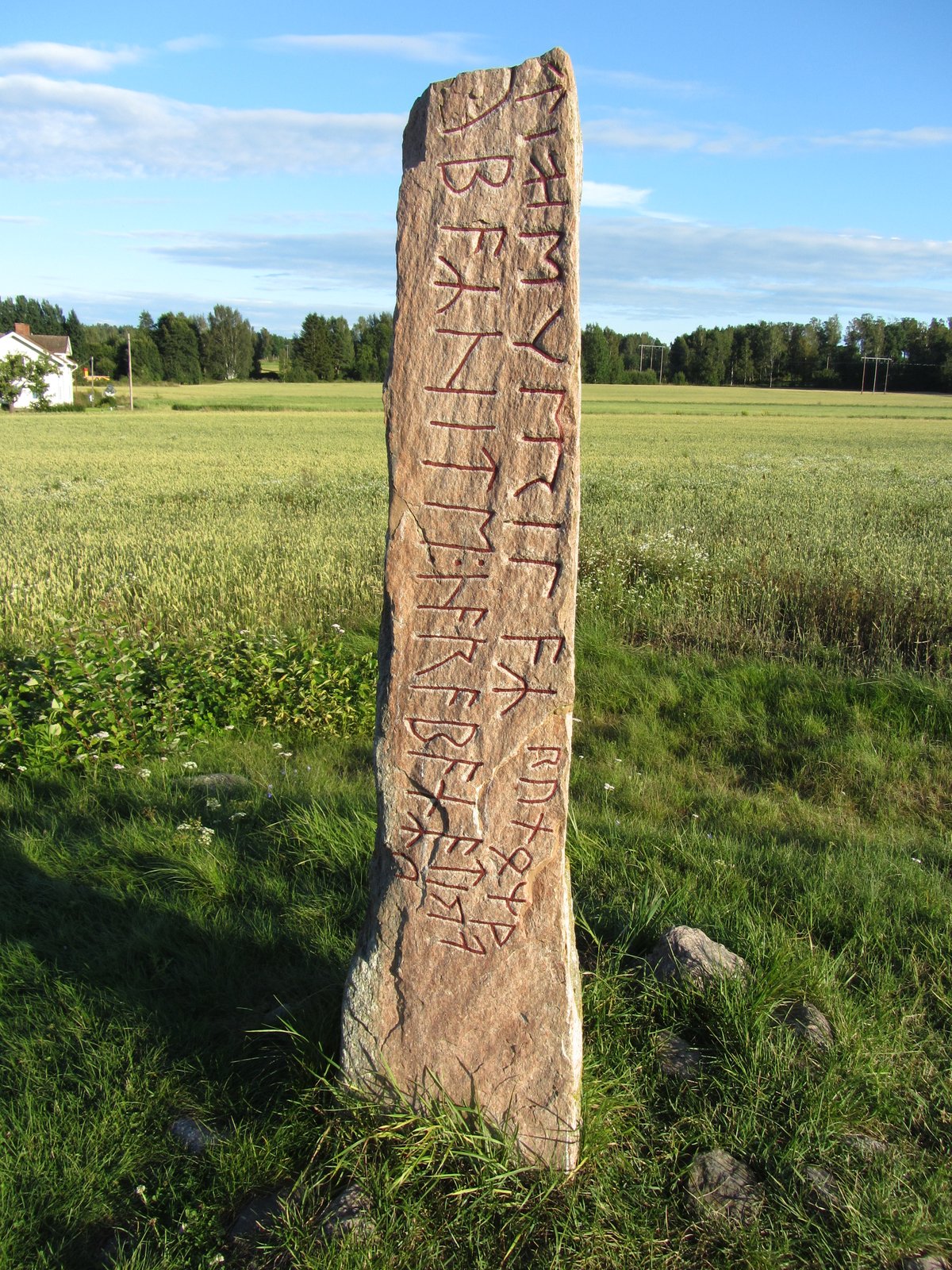

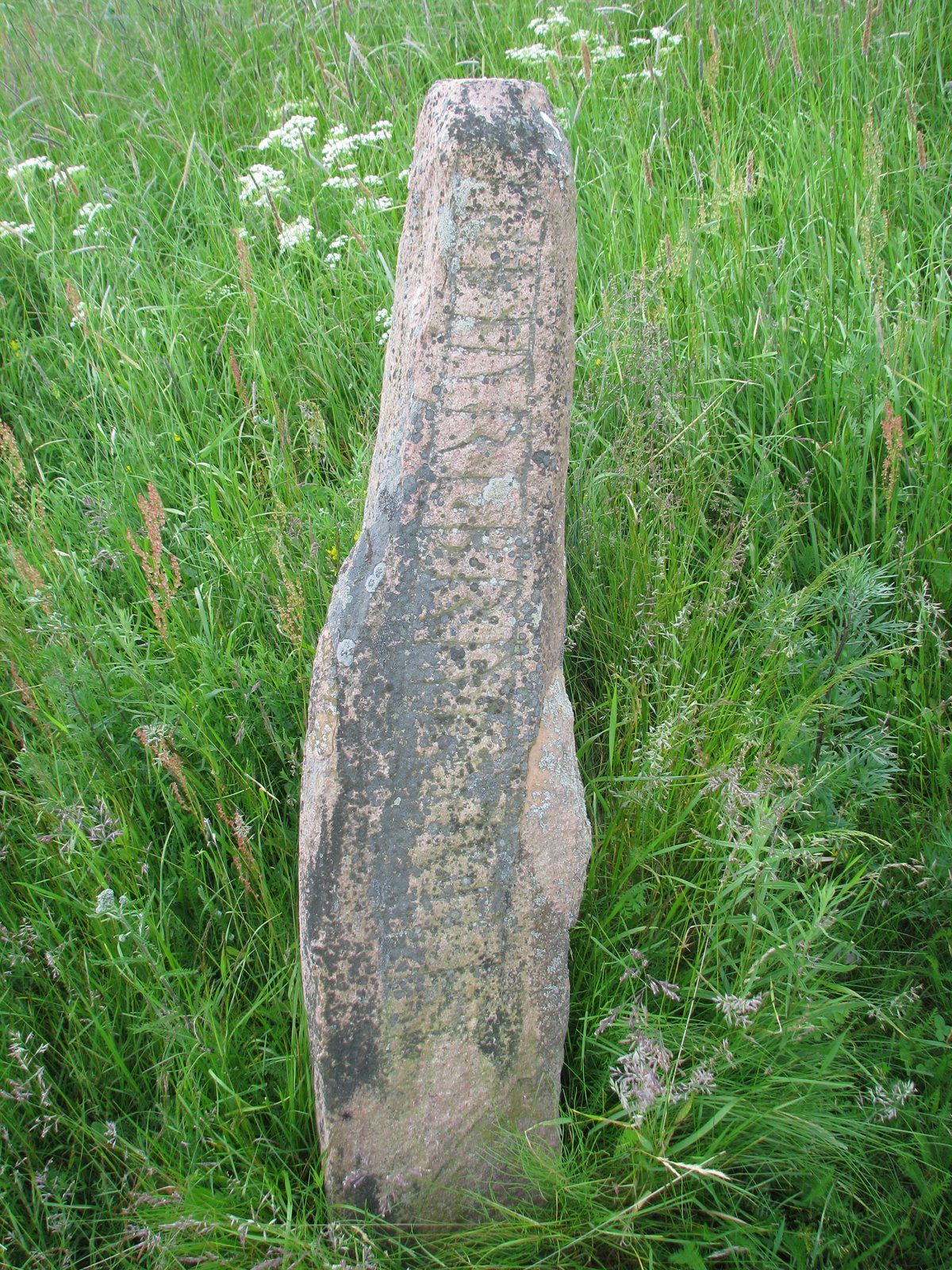
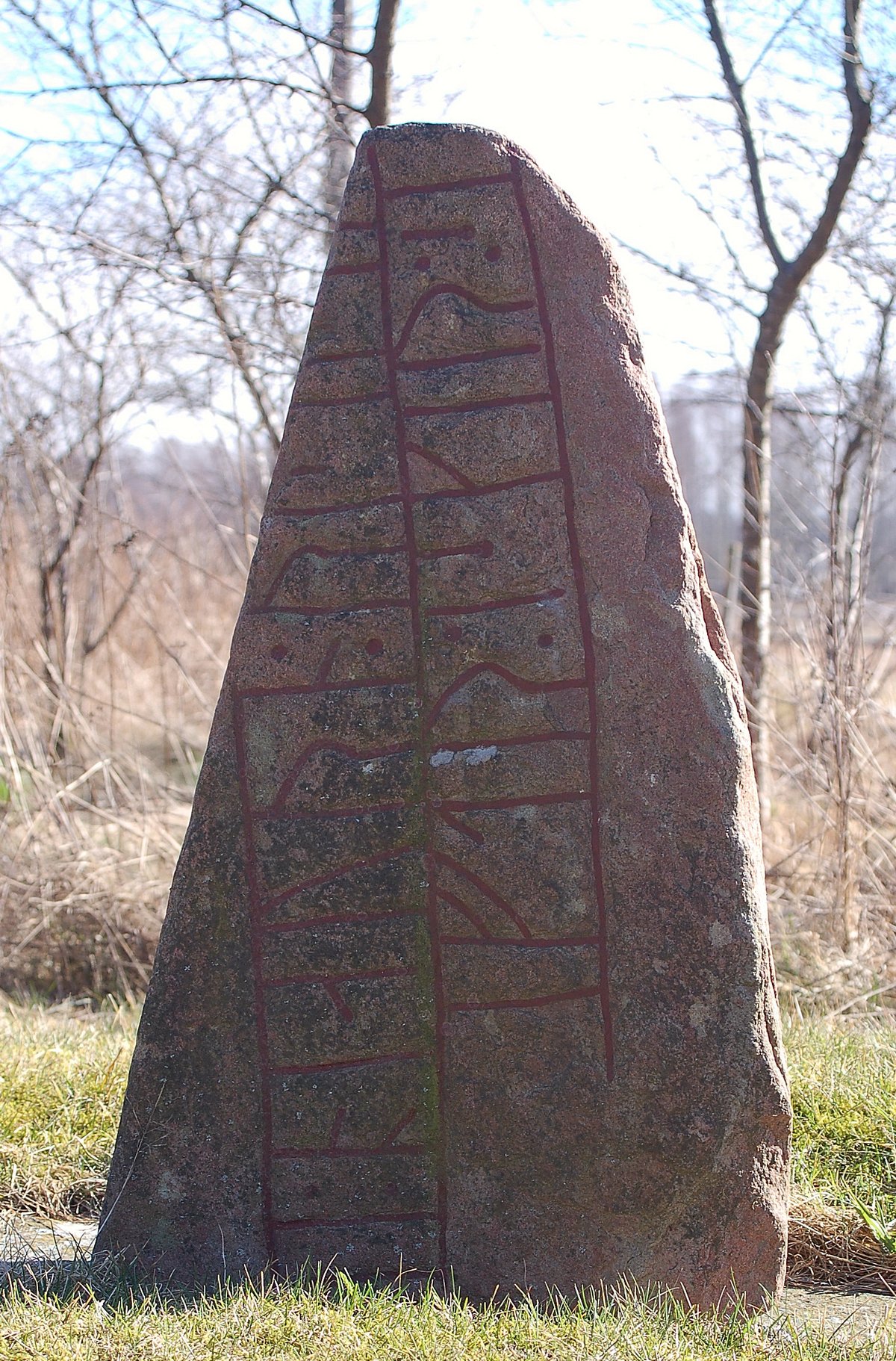
Discovered in 1862, the Järsberg Runestone is one of the two earliest runestones in Värmland, dating back to the 6th century. The stone's origin is still a mystery. Some theories suggest it was erected on a tumulus - a theory based on the disappearance of nearby monuments - but the Swedish National Heritage Board concluded in 1975 that the mound was a natural feature. An 18th-century tradition suggests the name Järsberg was once Jarlsberg, meaning "Earl's hill."
Several interpretations of the inscription remain unclear. Among these debates is where the inscription starts, and the meaning of the term Erilaz. Despite the ambiguity, the Järsberg Runestone stands as a bridge to history, a testament to a forgotten era, and a mystery waiting to be solved.
Sources: Wikipedia, OpenStreetMap, Wikidata, Wikimedia Commons


Written by Nik Frost
Discuss this with the author and others
No comments yet. Be the first to start the conversation.