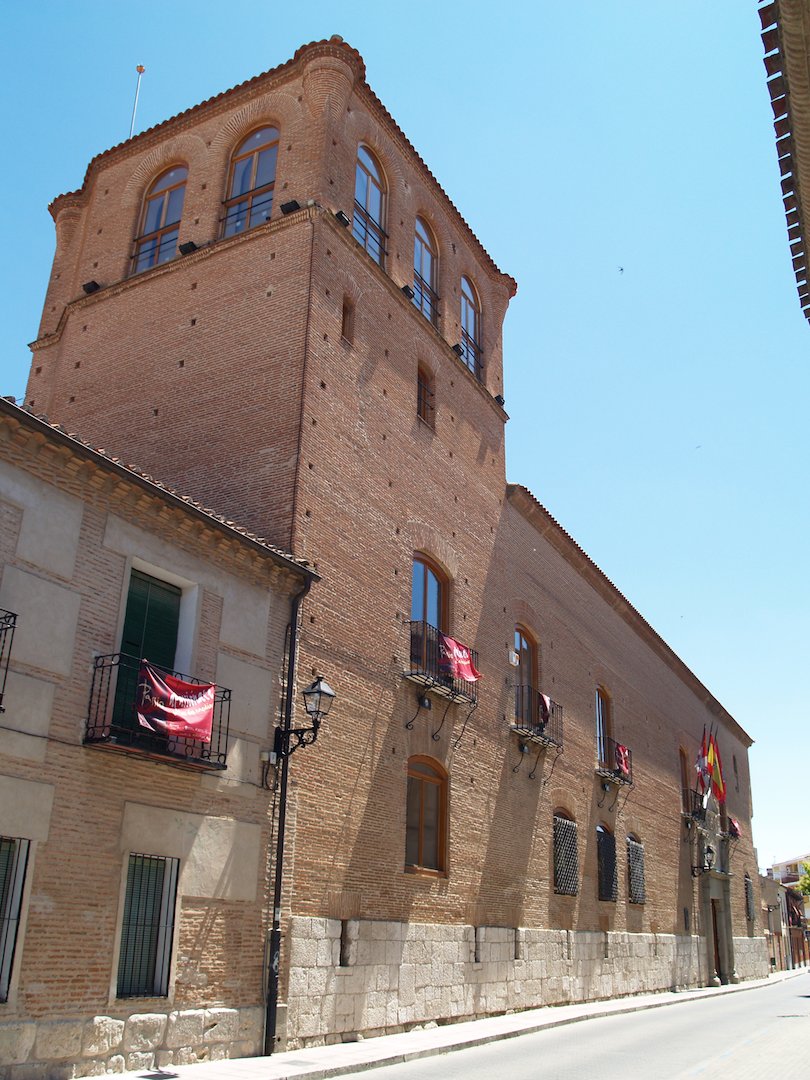

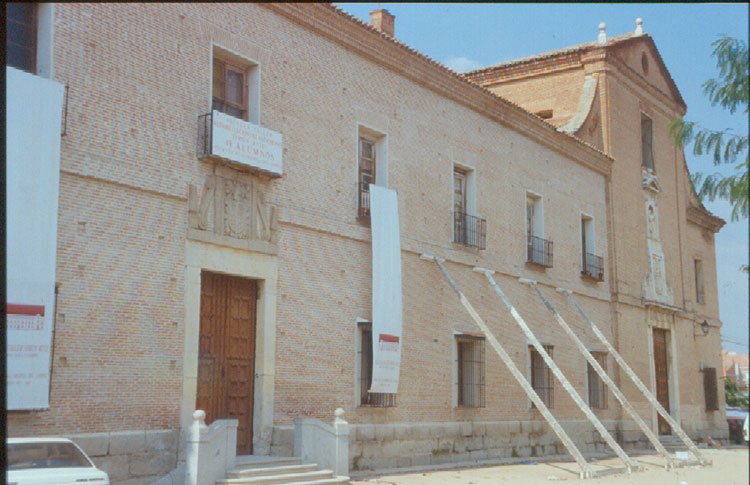
Don Diego Beltrán made his fortune in Peru and returned to Medina del Campo in the mid-1520s. He began construction of a noble house on a plot inside the city walls but set apart from the fair streets. The design and execution are attributed to Luis de Vega, the royal architect responsible for the palace in Valladolid for Francisco de los Cobos y Molina, which shares similarities with the Dueñas Palace.
The courtyard stands as the primary achievement of the building. This two-storey colonnaded space features arches decorated with medallions of the monarchs of Castile. Sculpted by Esteban Jamete, these portraits trace the lineage from Ferdinand I to Philip the Handsome. The entrance vestibule still preserves a coffered ceiling by Francisco de la Fuente, which is the only one of several original ceilings that survives today.
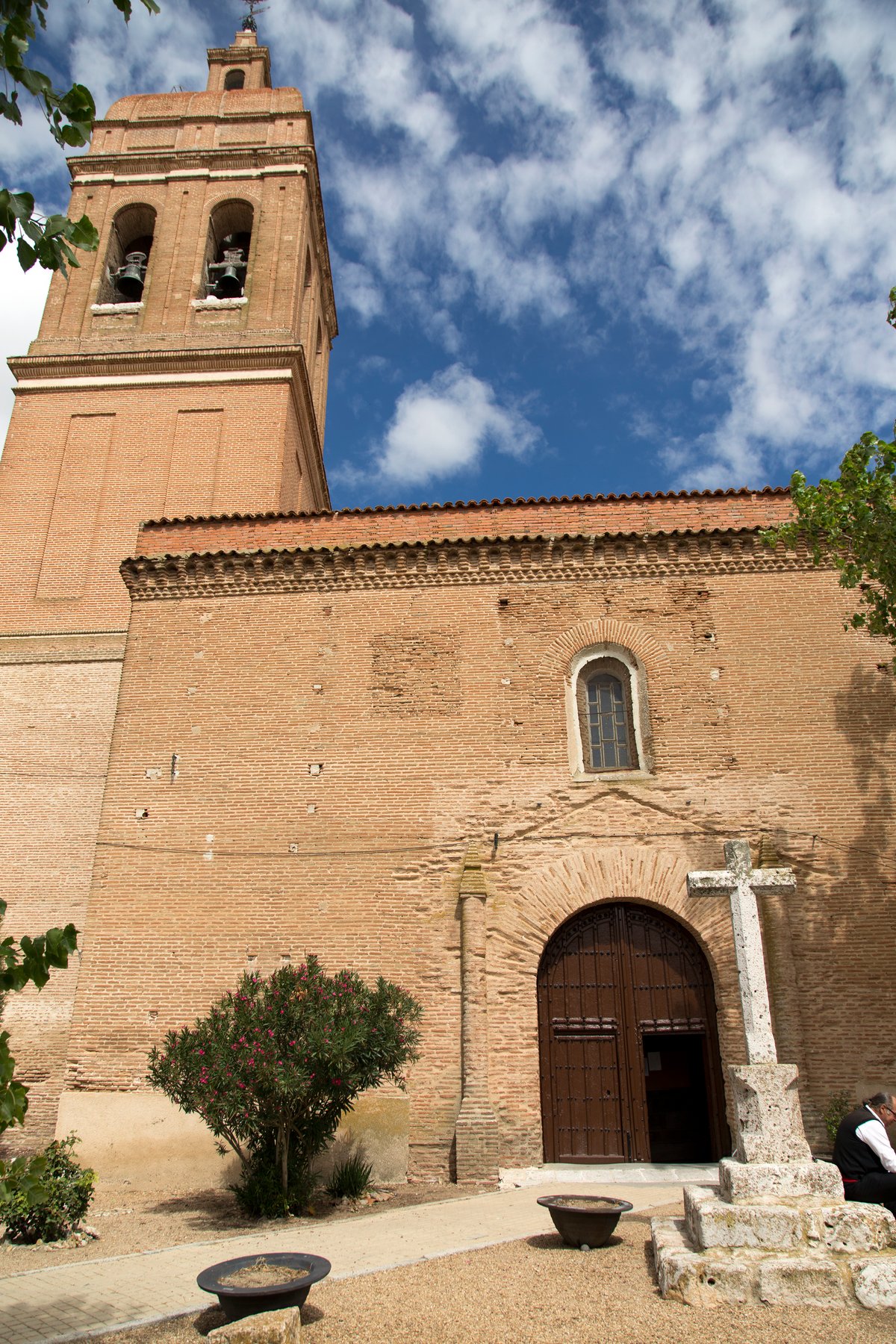
The palace passed to several owners, including the Marquesses of Argüeso and later the Dukes of Sueca. In 1931, it was declared a National Monument, and in 1950, the state acquired it from the Dukes of Sueca. It was converted into an educational centre, a function it continues to serve today. The building retains its brick facade over a limestone plinth and features a main doorway flanked by columns and an entablature with the Beltrán de Mella coat of arms.
Sources: Wikipedia, OpenStreetMap, Wikidata, Wikimedia Commons
Written by Nik Frost
Discuss this with the author and others
No comments yet. Be the first to start the conversation.