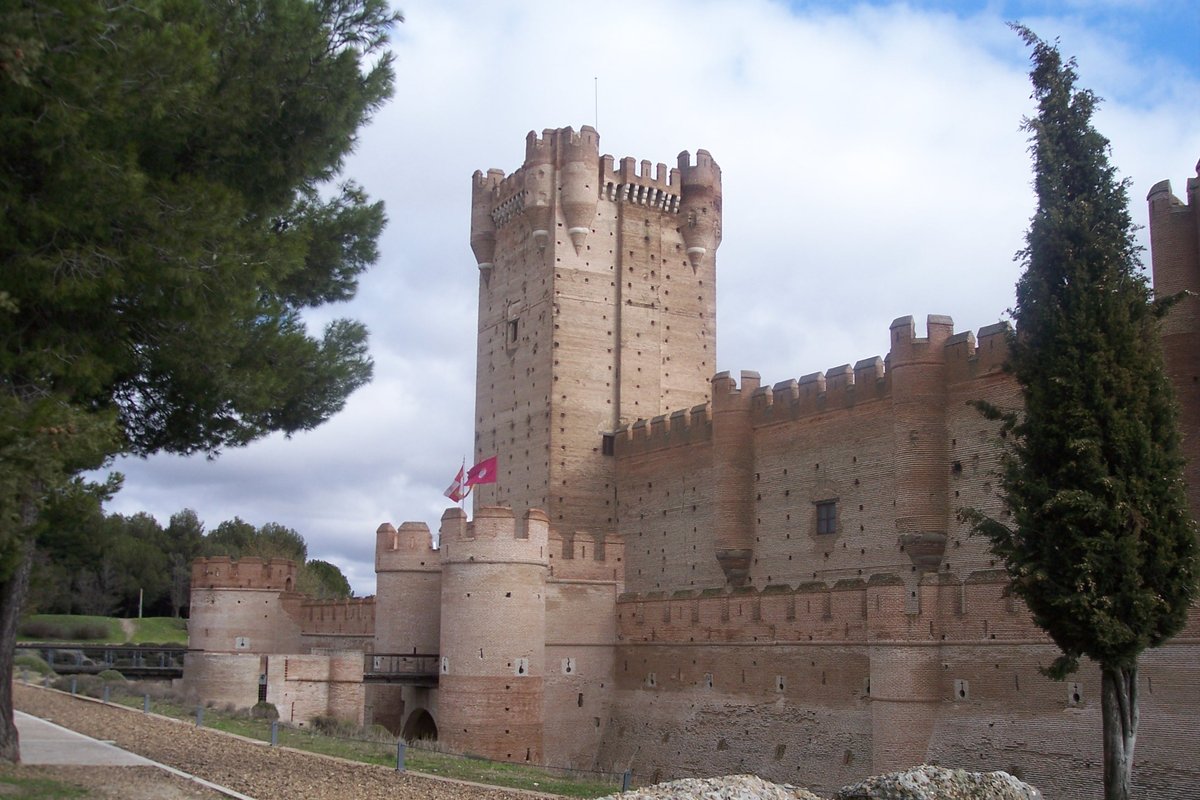

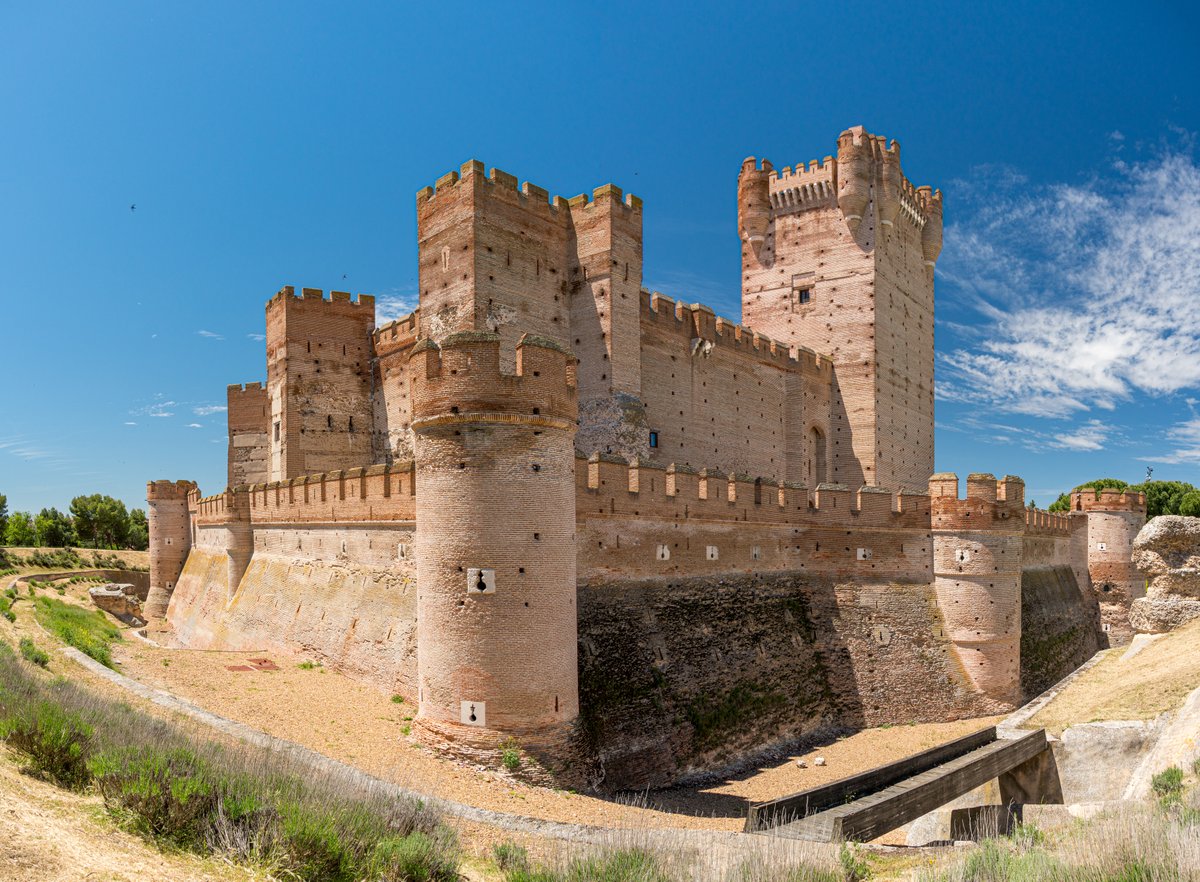
Originally a Berber settlement, Medina del Campo was repopulated after 1085. By the 12th century, the walled town had become a major population centre in the Kingdom of Castile, drawing large-scale trading operations. It was later granted the right to hold well-known free fairs, which attracted a notable presence of international dealers. During the 15th and 16th centuries, these fairs helped with banking and the businesses of wool, textiles, books, and a wide variety of other goods.
The town saw a notable presence of international dealers, chiefly Castilian, Portuguese, Italian - including Genovese, Milanese, and Florentines - and Flemish, as well as some French, English, and German merchants. This commercial growth led to the expansion of the town toward the plain of Zapardiel brook. In 1489, the Treaty of Medina del Campo united the kingdoms of Spain and England for 96 years by reducing trade tariffs, recognizing France as a common enemy, and arranging the marriage of Catherine of Aragon to Prince Arthur.
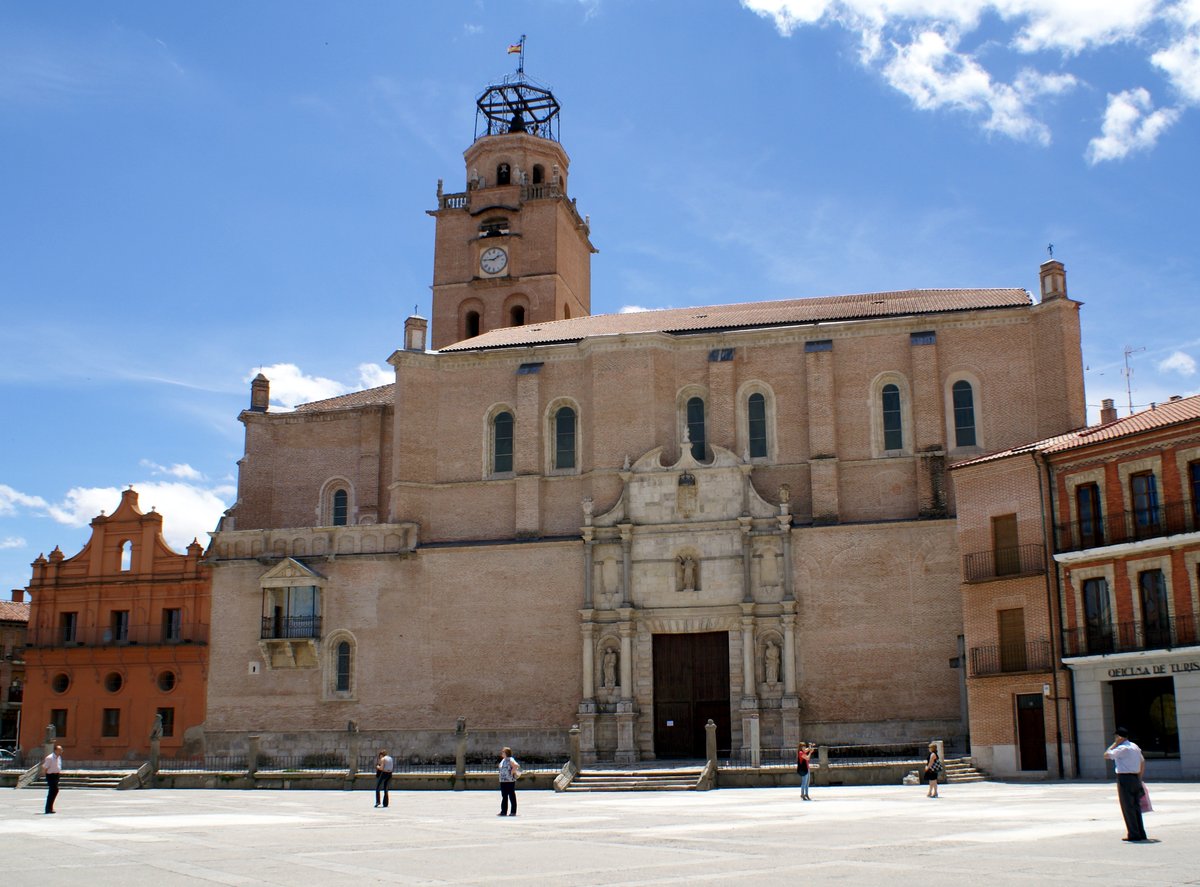
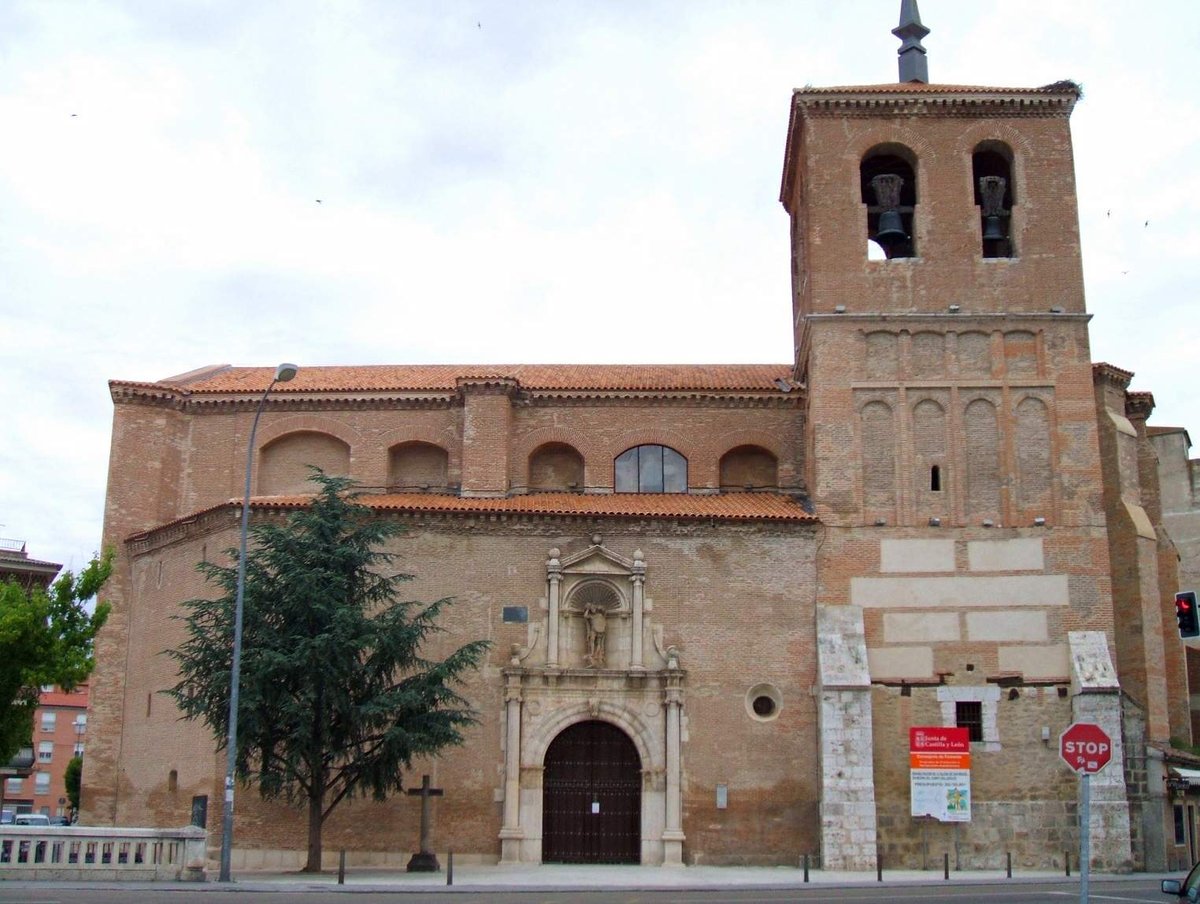
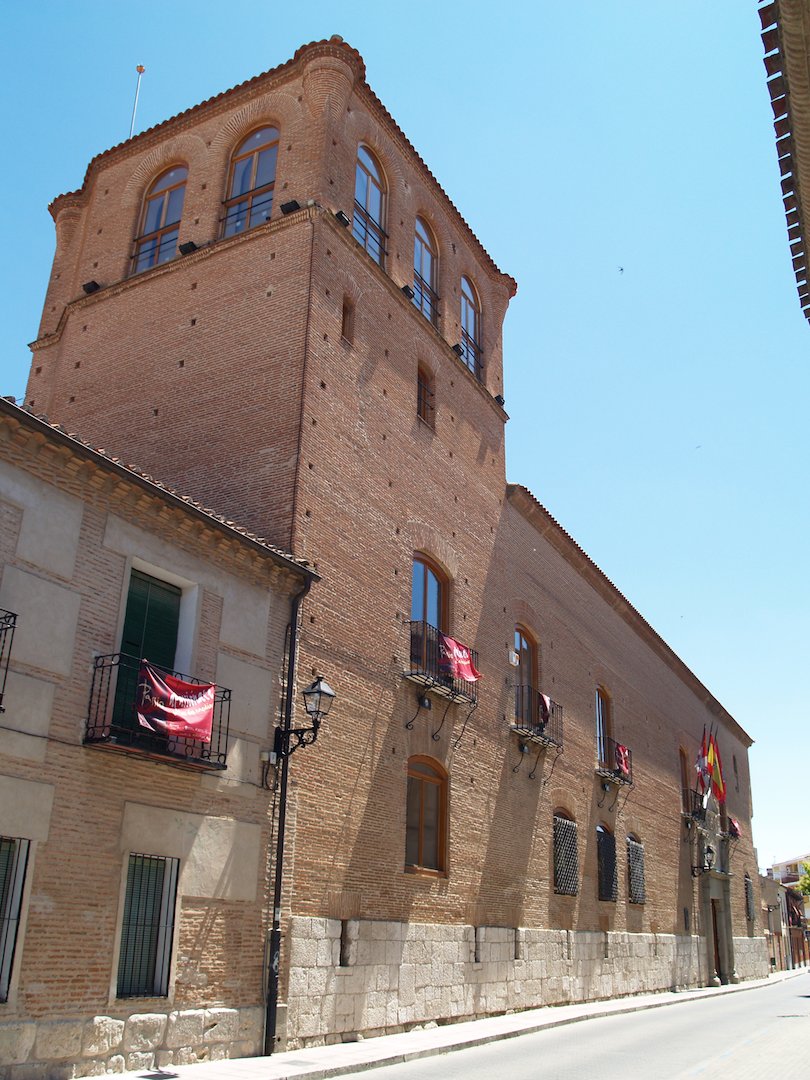
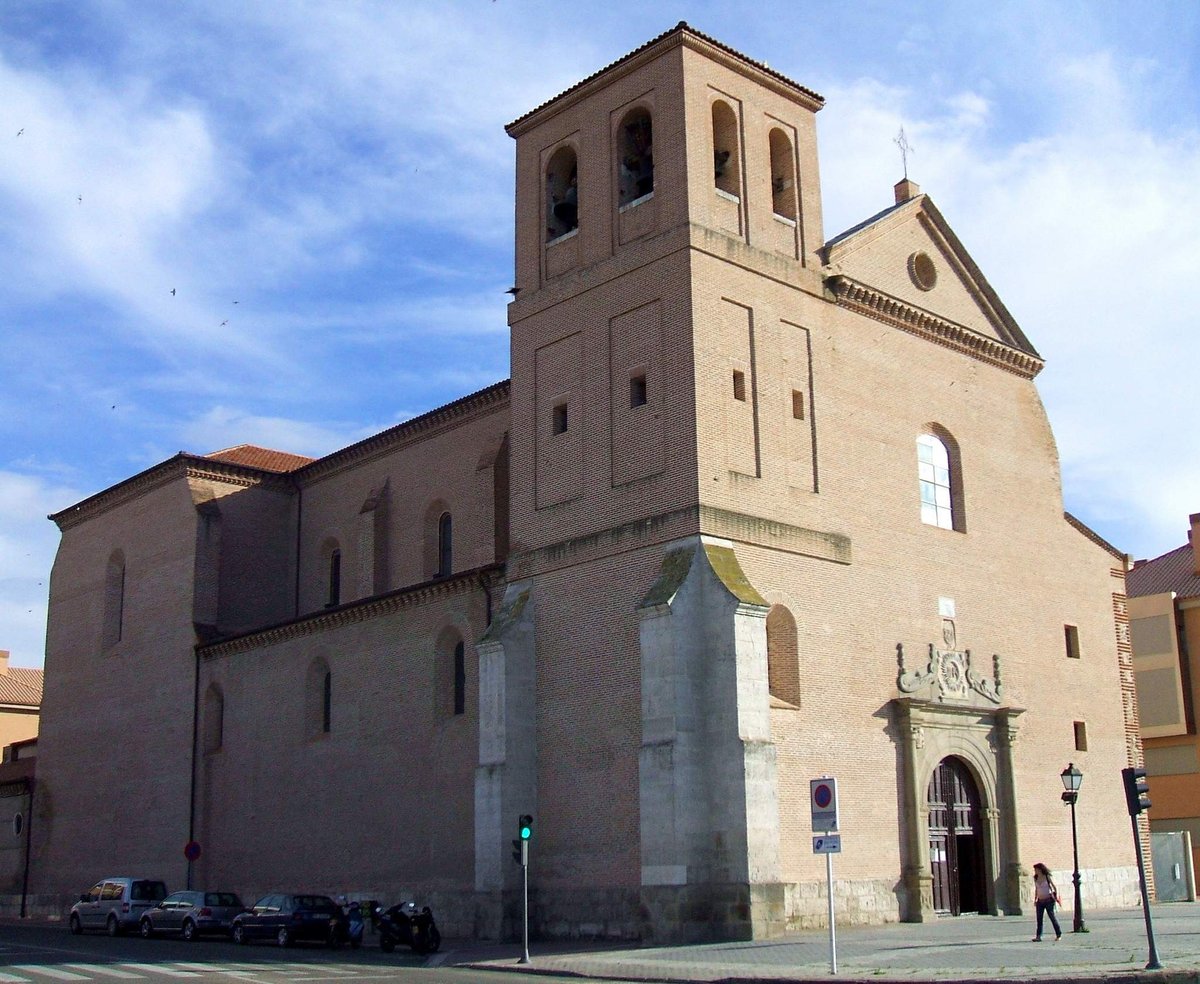
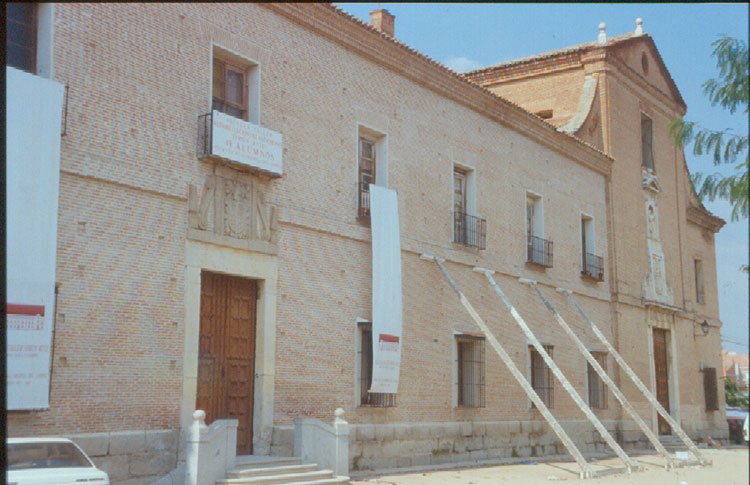
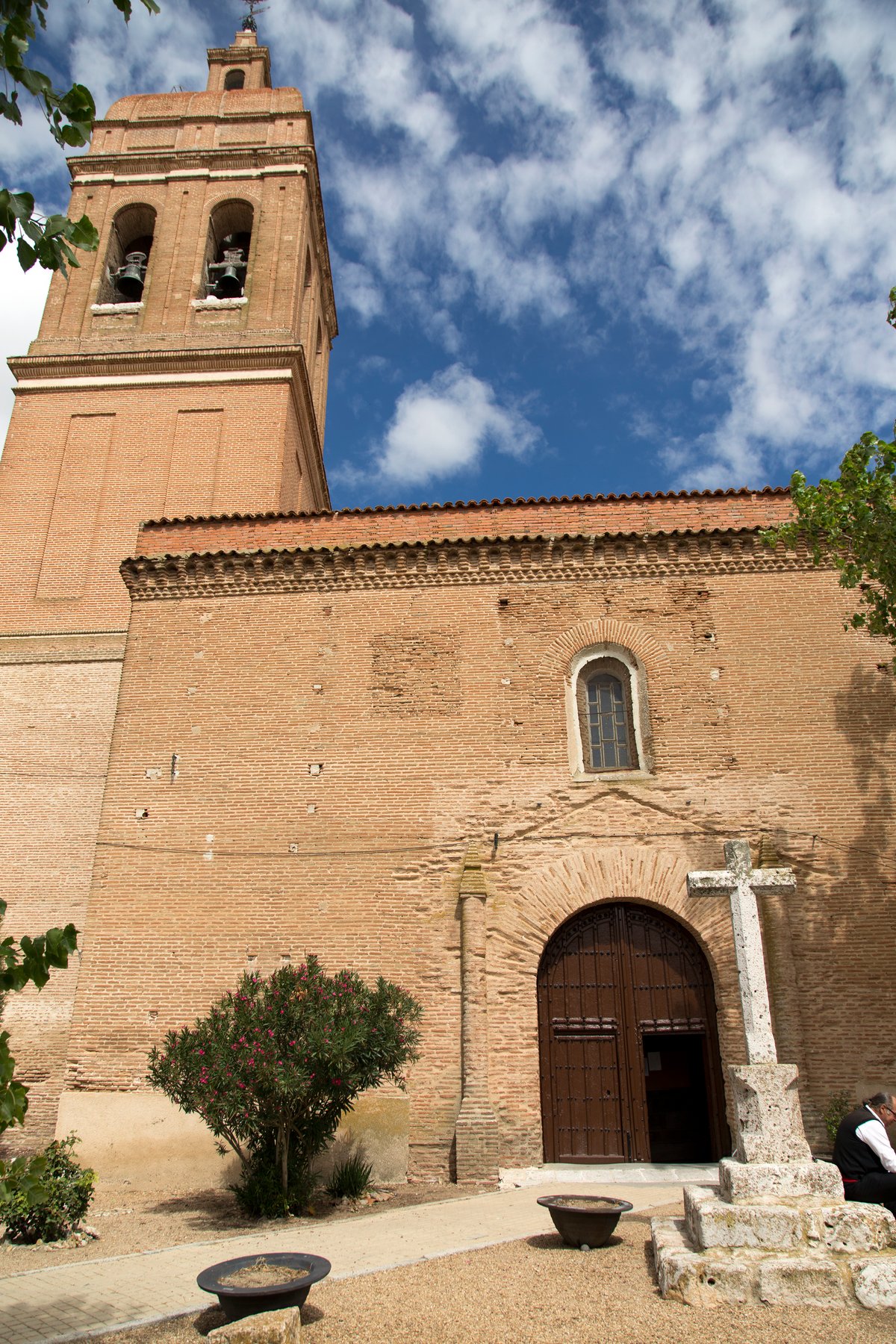
Much of the town's artistic architecture dates from the 16th century. Buildings such as the Palacio de Dueñas and the Hospital of Simón Ruiz were promoted by rich merchant bankers who prospered thanks to the General Fair of the Spanish Kingdom. Today, the Museum of the Fairs was created to exhibit items connected to this open market. The town later underwent a process of ruralization in the 17th century before growing again in the late 19th century with the arrival of the first train in 1860.
Sources: Wikipedia, OpenStreetMap, Wikidata, Wikimedia Commons
Written by Nicolo Ciampini
Discuss this with the author and others
No comments yet. Be the first to start the conversation.