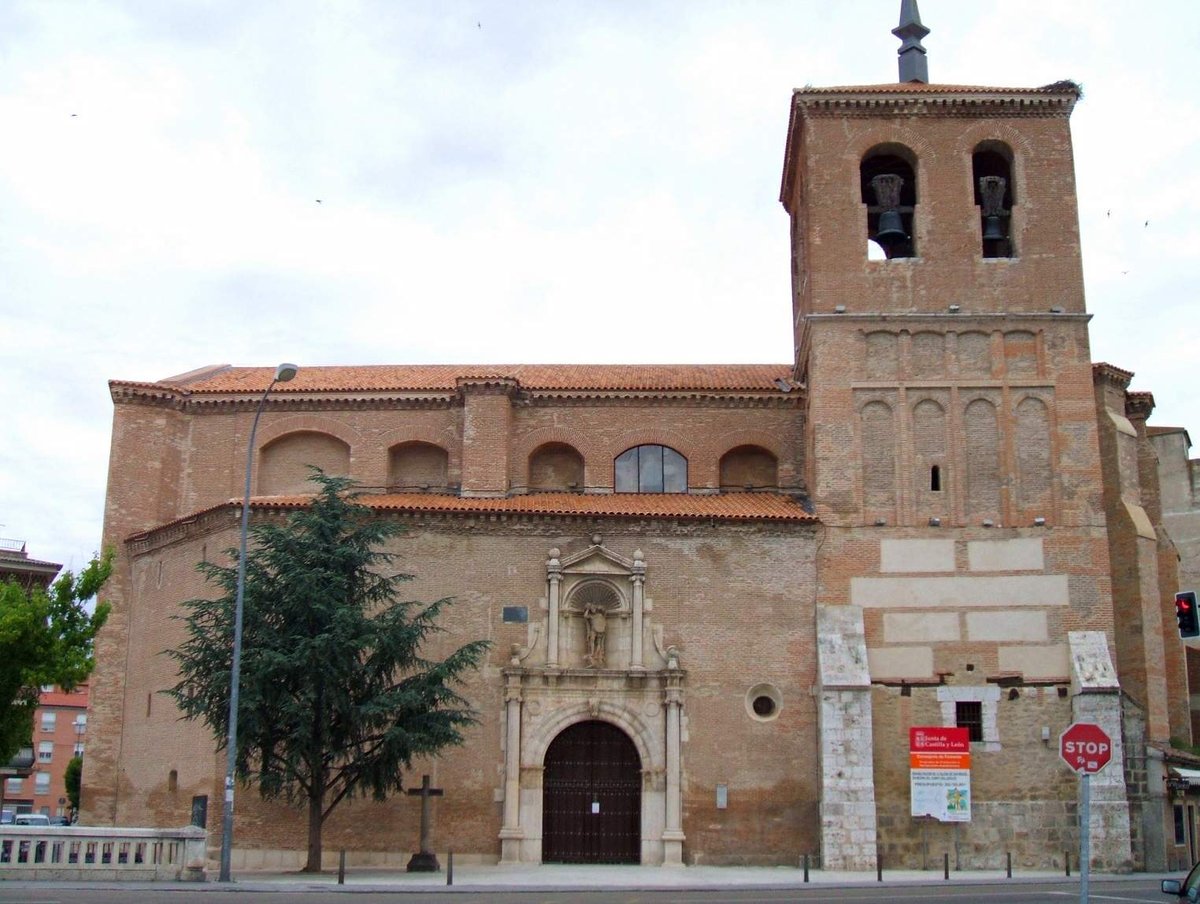

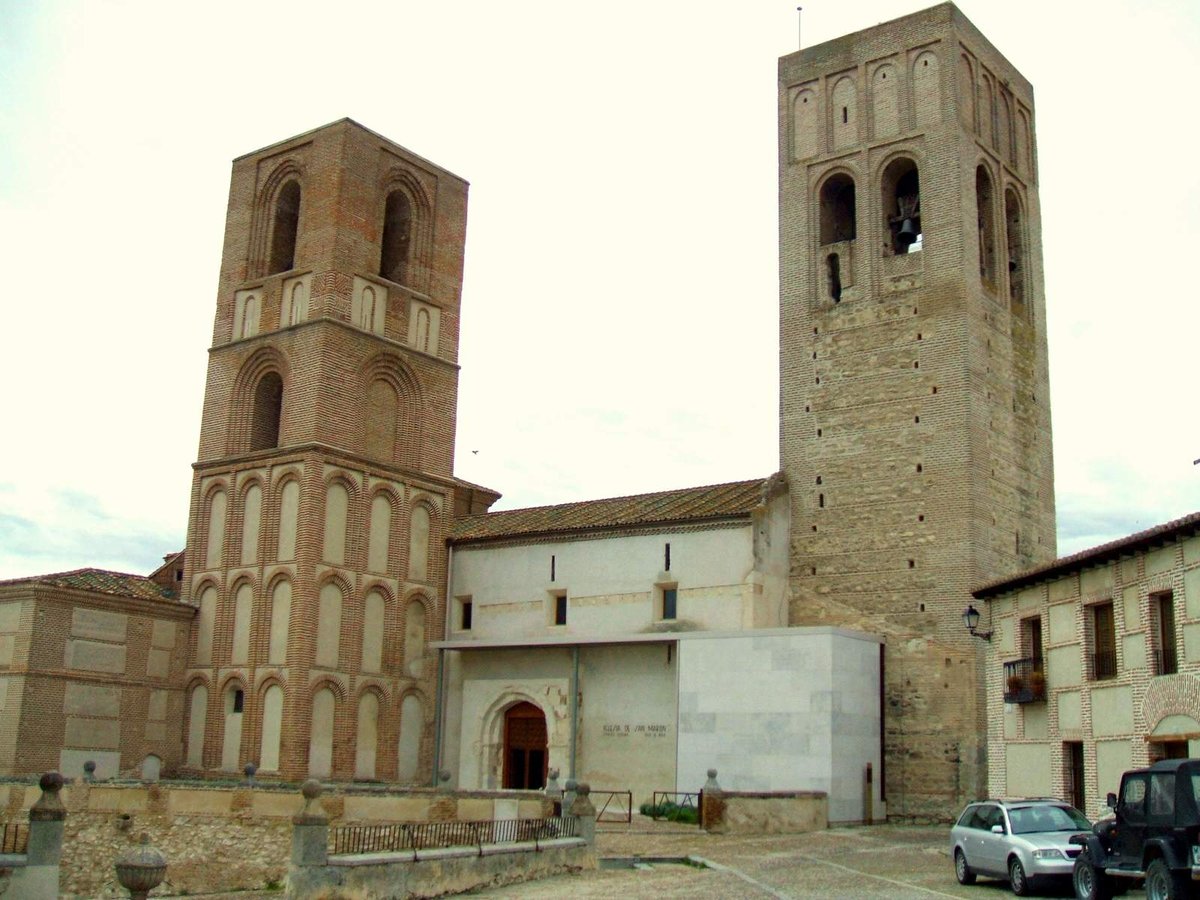
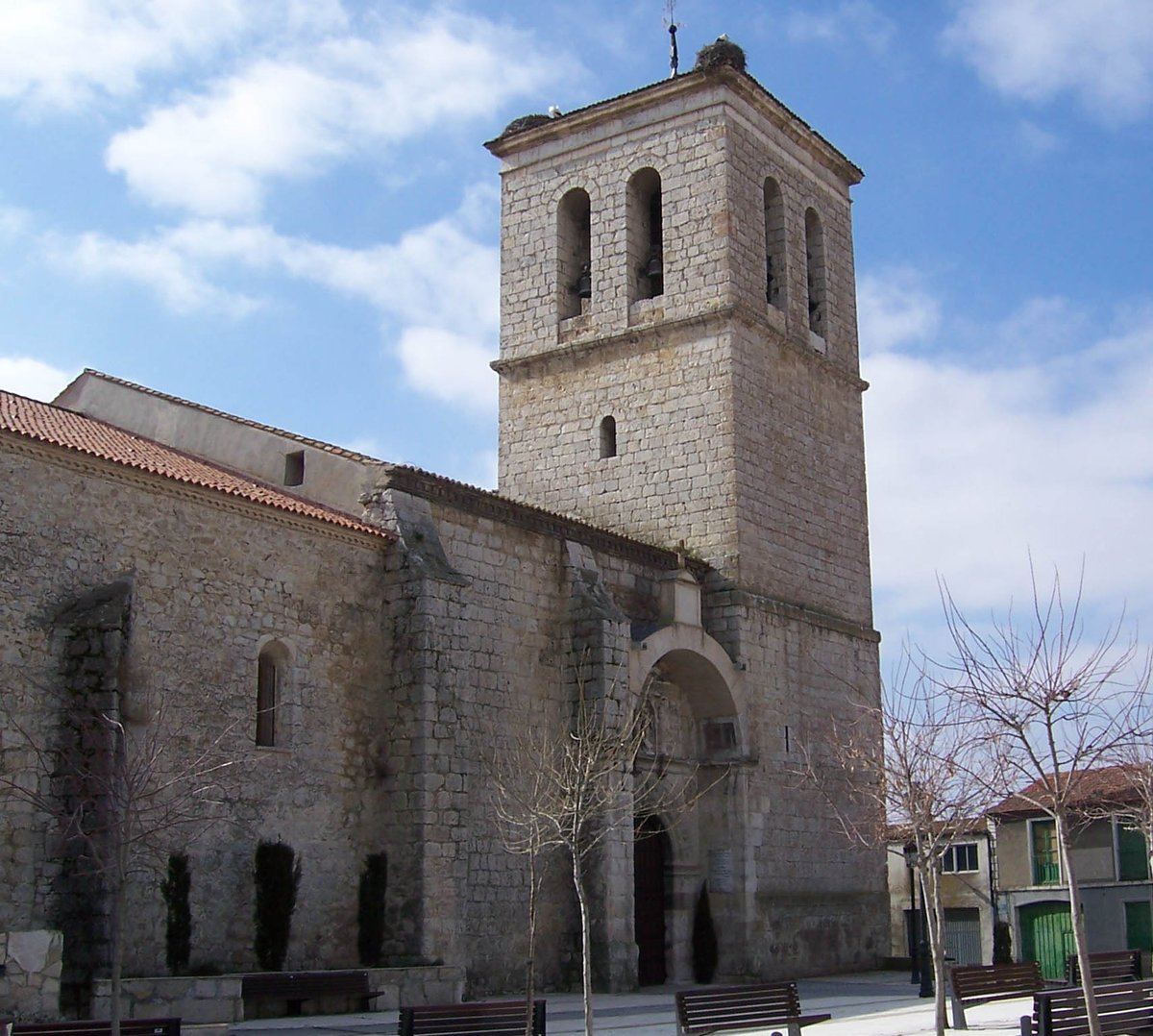
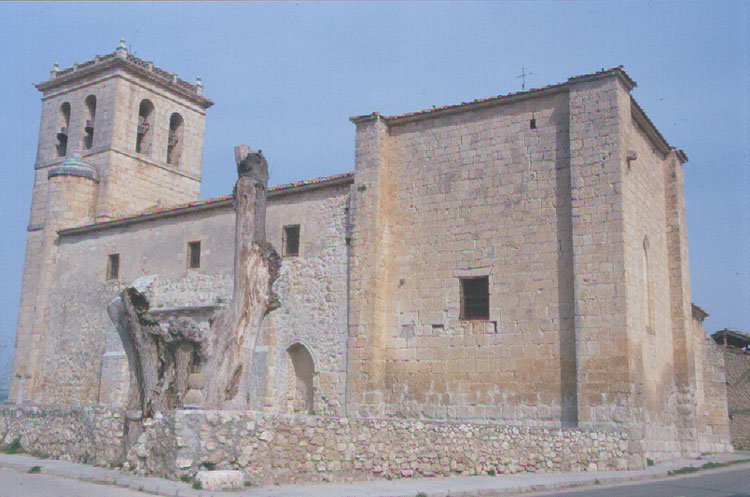
The Iglesia de San Miguel Arcángel, located on Calle de Valladolid 1, stands as one of the most prominent temples in Medina del Campo. Situated next to the Zapardiel river, the current building dates back to the 16th century and features a rectangular plan with two naves. While documentary evidence dates back to 1177, showing it as a successor to a temple built in the second half of the 12th century, the current structure was built during the 1500s with the participation of master Juan Berdugo.
The building underwent various modifications during the 16th and 17th centuries. Works on the head of the church were carried out between 1531 and 1538, the nave was completed in 1574, and the vaults of the nave date from the last quarter of the 17th century. In the 18th century, the church underwent significant repairs that affected the tower, the sacristy, and the load-bearing walls.
The interior features a deep main chapel covered with a rib vault commissioned by Alonso Nieto. The main chapel retablo, dating from 1567 and created by Leonardo de Carrión, depicts ten scenes from the life of Jesus Christ along with episodes of Santiago Matamoros and the Imposition of the casulla of San Ildefonso. In the wall of the epistle side, next to a rococo retablo dedicated to San Antonio de Padua, is a niche containing the sepulcher of Juan de Aguilar, who died in 1547. A mural painting representing the Baptism of Jesus is located above this sepulcher, while the lateral nave contains a retablo of the Holy Family by Melchor de la Peña.
Other notable features within the temple include an 18th-century baroque organ in the choir and a collection of bells in the tower. The central street of the main chapel retablo was reformed in the 18th century to include a sculpture of the titular saint, Saint Michael the Archangel. The attic of the retablo features the scene of the Calvario, flanked by reliefs of the Descent and the Entombment.
Sources: Wikipedia, OpenStreetMap, Wikidata, Wikimedia Commons
Written by Nik Frost
Discuss this with the author and others
No comments yet. Be the first to start the conversation.