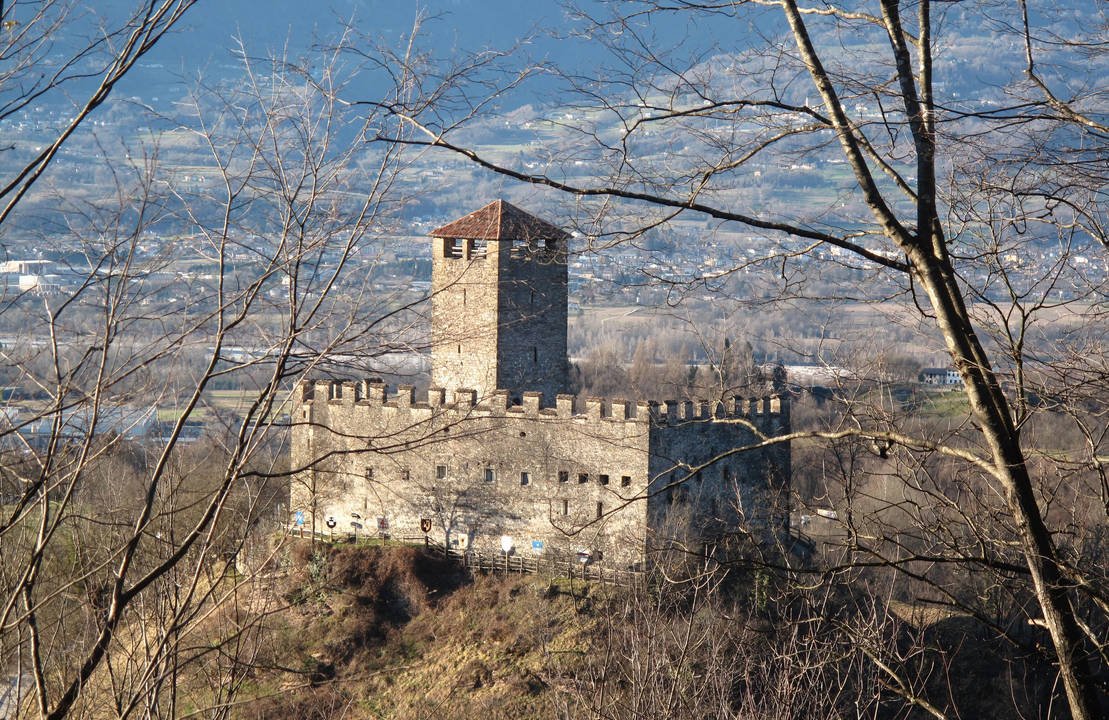

The name of this site originates from a settlement of twins, or gemelle in Italian, established by a man named Gaiseric. He was a follower of Queen Amalasuntha and established a settlement here following her assassination.
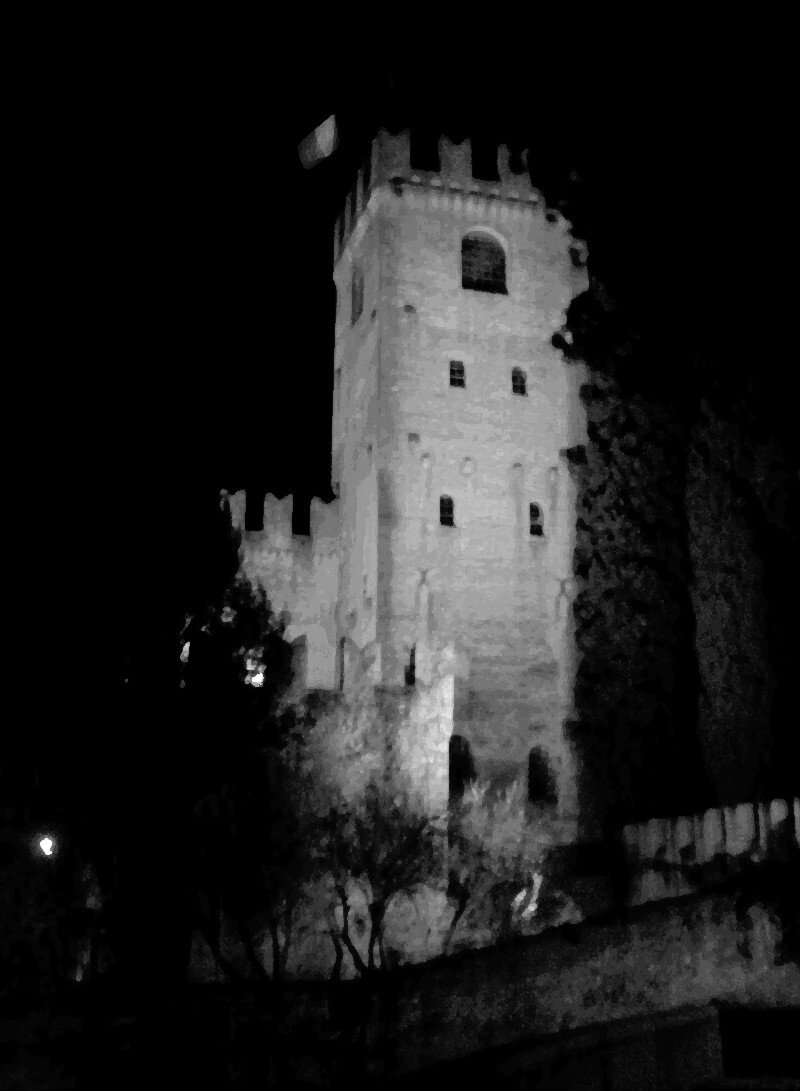
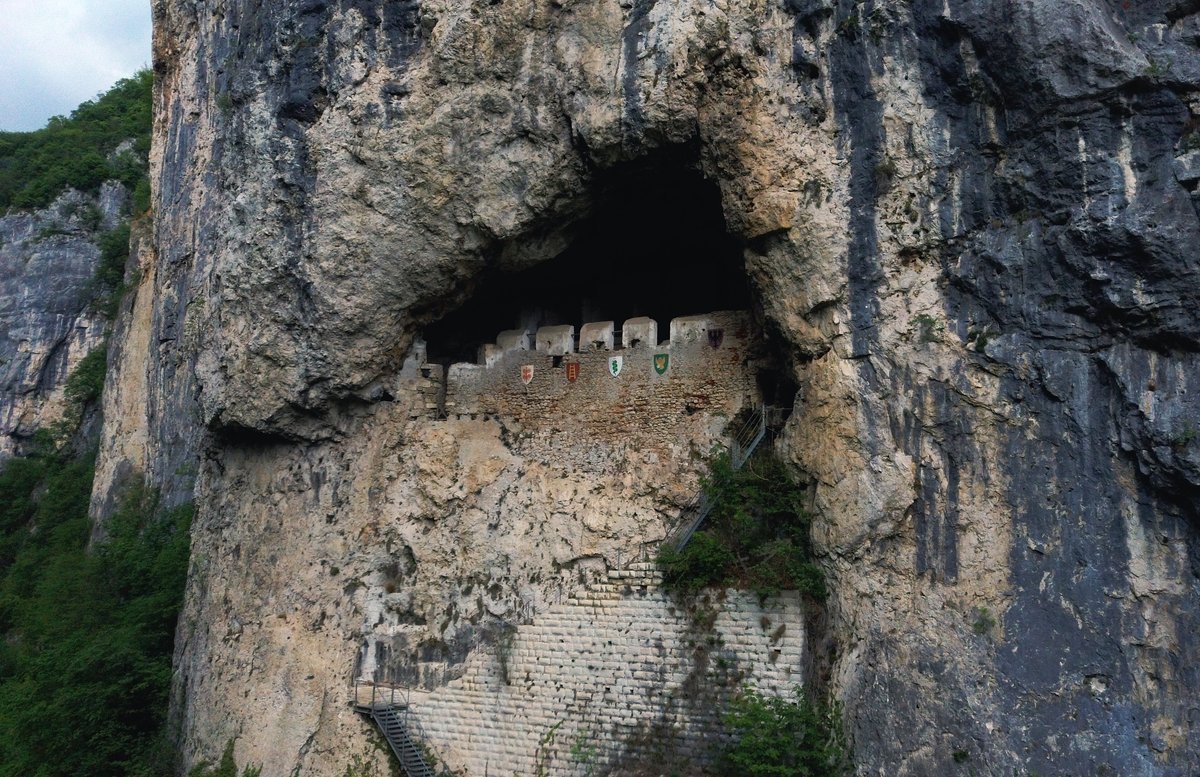
A fortification on this site existed as early as c. 46-47 CE when the Romans were consolidating their hold in the Valbelluna. It was situated in a strategic location commanding the road from the plain through the Praderadego. During the early Middle Ages, the castle was the site of a feudal struggle beginning in 737, when the Lombard king Liutprand appointed Valentino, bishop of Ceneda, as lord of Zumelle. This caused a controversy with John, count-bishop of Belluno, who already ruled these lands, and the war ended in 750 after the intervention of king Aistulf.
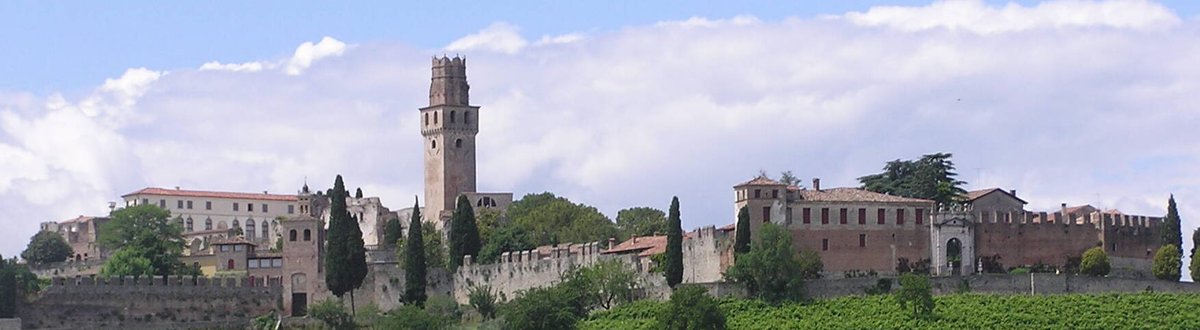
The castle was owned by the Caminesi family starting in the 1300s after Sofia, daughter of Adelheit and Wilfred of Colfosco, married Guecellone II da Camino. Rizzardo IV da Camino rebuilt the castle in 1311, but it lost its importance after it was conquered by the Republic of Venice. It was sacked by imperial troops in 1501, restored, and later owned by the Zorzi and Gritti families before passing to the Austrian Empire. The commune of Mel acquired the castle in 1872 and remains the owner today.
Located on Via San Donà near the village of Tiago, the castle stands near the early medieval church of San Donato. It serves as a historical landmark in the municipality of Borgo Valbelluna, province of Belluno, in northern-eastern Italy.
Sources: Wikipedia, OpenStreetMap, Wikidata, Wikimedia Commons
Written by Nicolo Ciampini
Discuss this with the author and others
No comments yet. Be the first to start the conversation.