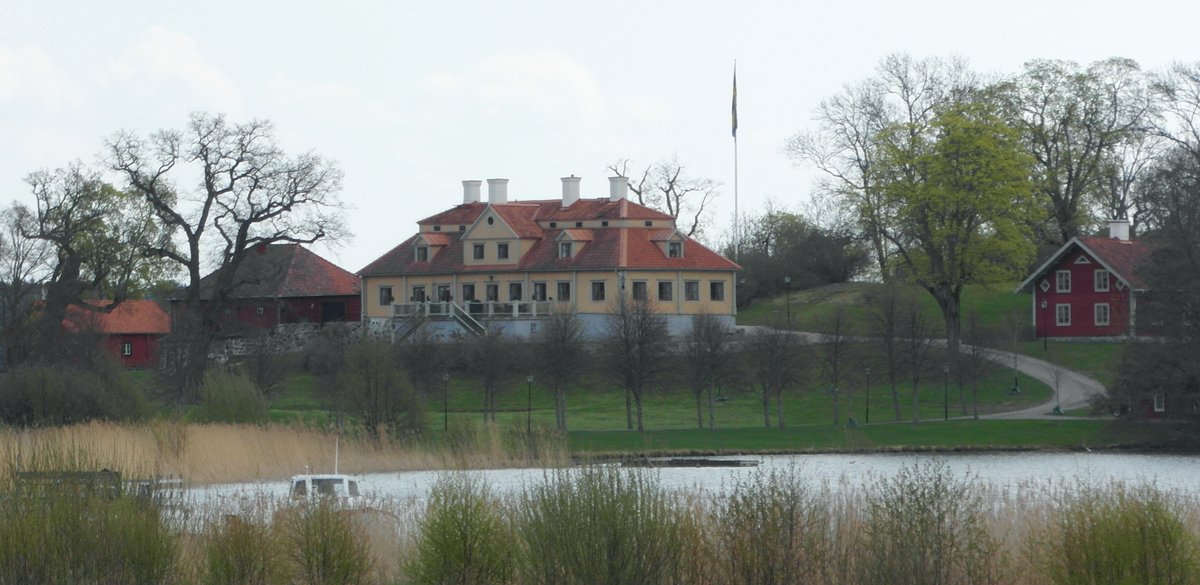

The landscape at Räfsnäs holds the echoes of a pivotal moment in 1520. It was here that Gustav Vasa learned of the execution of his father and Joakim Brahe. This news acted as a catalyst for his journey to Dalarna, where he began organizing a resistance.
The manor originally belonged to the Sture family before it passed into the Vasa lineage. During the 1600s, the estate was held by several notable figures, including Karl X Gustav. The manor's layout reflects its history as a place of residence and power, eventually becoming a royal manor and then private property again in 1996.
Built by Karl IX, the massive stone house featured angled wings extending over fifty meters. It stood apart from typical manor houses of the era because it lacked a planned courtyard; instead, a long-drawn forester's building in wood was located on the other side of the extensive farmstead. The stone structure was demolished in 1773.
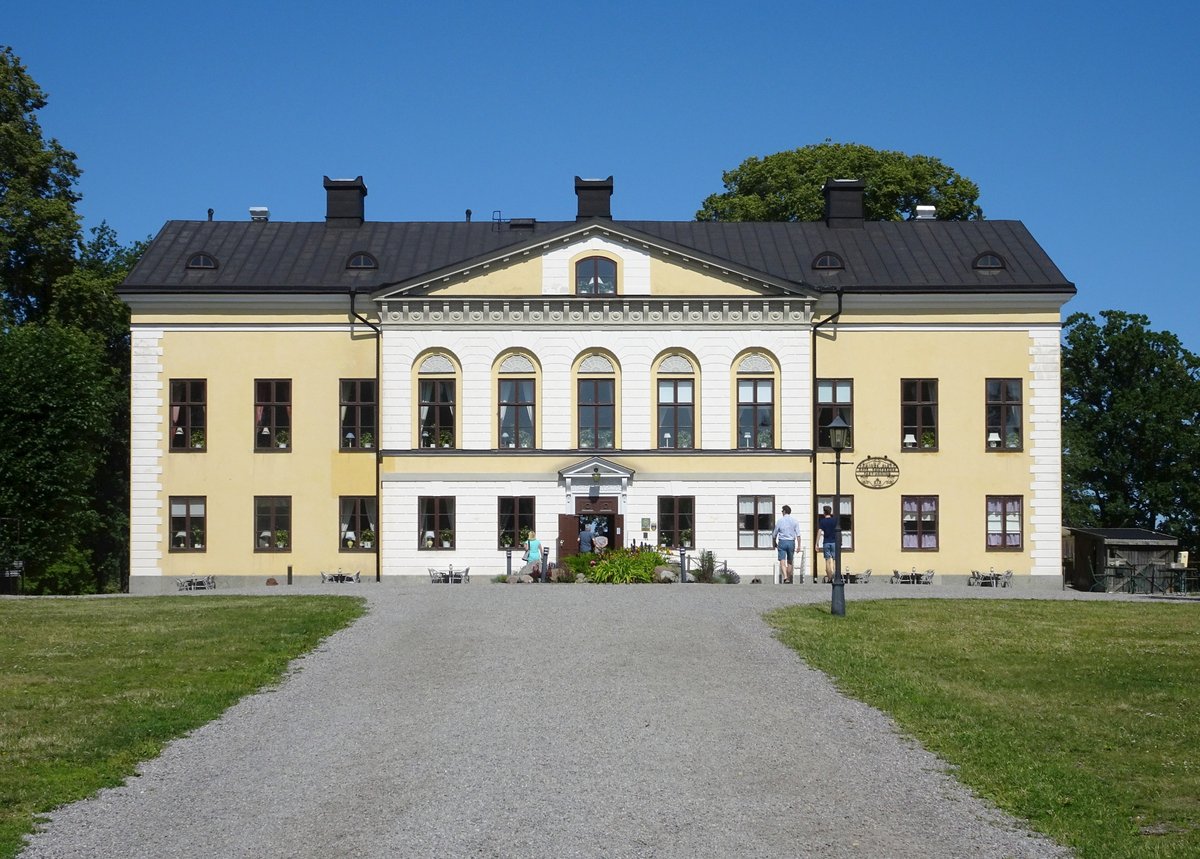
Today, the site is a private estate near Mariefred. The current farmhouse dates to 1737, marking a new chapter after the destruction of the stone palace.
Sources: Wikipedia, OpenStreetMap, Wikidata, Wikimedia Commons
Written by Nik Frost
Discuss this with the author and others
No comments yet. Be the first to start the conversation.