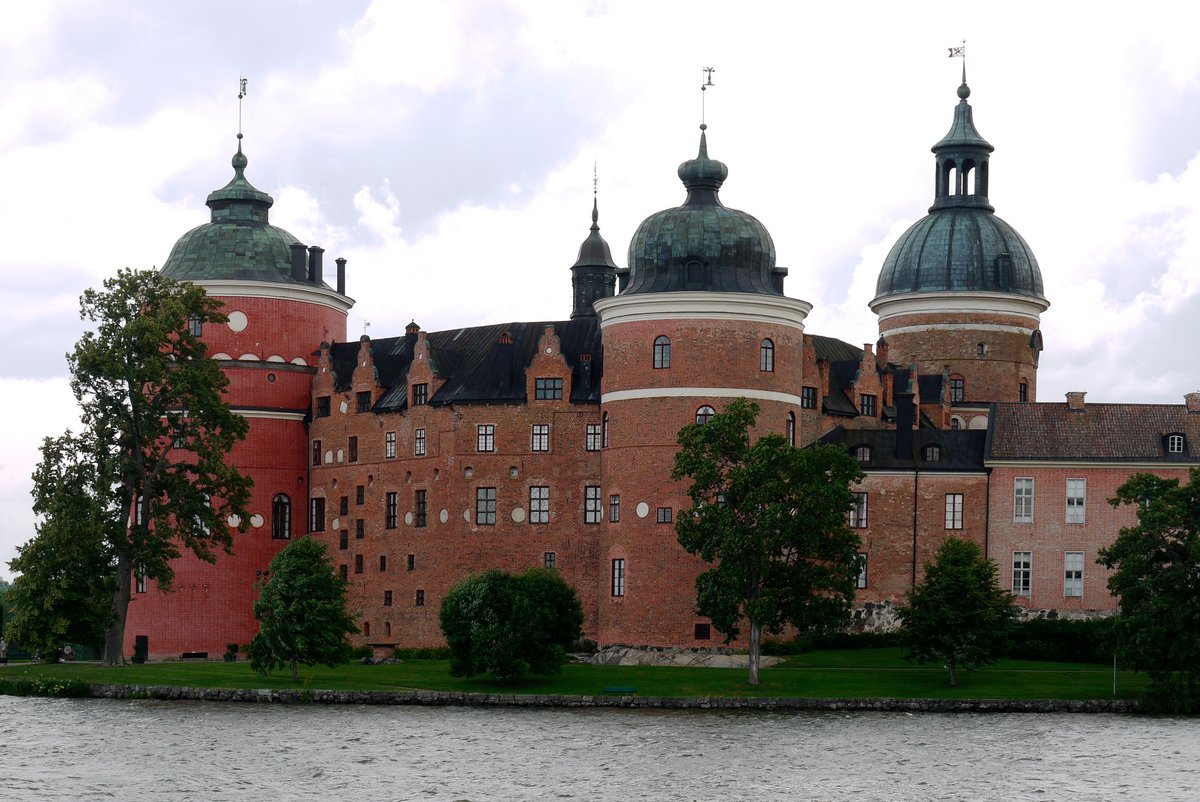

A badly-stuffed lion has become infamous in recent years within the museum at Gripsholm Castle. While its appearance is a notable curiosity, it sits in a structure that has served as a site for significant royal events for centuries. The castle remains part of the Crown palaces in Sweden, serving as a residence at the disposal of the King.
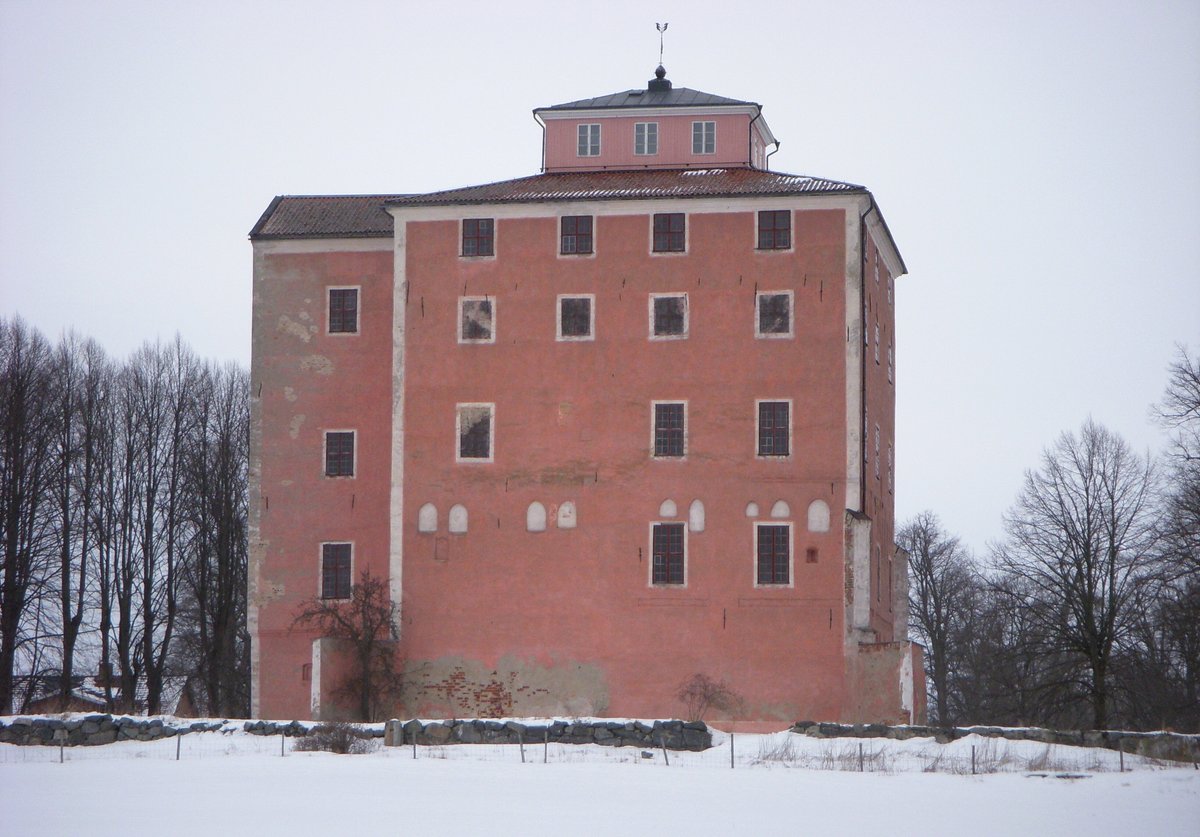
In 1526, King Gustav I dissolved a monastery on the site to build a fortified castle with circular corner towers and a wall for defensive purposes. This location has endured significant historical consequences. It served as a prison for the deposed King Eric from 1571 until 1573 and later for Gustav IV Adolf after the Coup of 1809. It also served as a residence for the royal children during the Dacke War.
By the 1700s, the castle became a center for culture. King Gustav III spent several months here every year and had a theater added to one of the towers. This stage hosted the amateur theatre of the royal court as well as the French Theater of Gustav III from 1781 to 1792 before the castle eventually transitioned into a public museum.
Today, the castle functions as a museum containing paintings and works of art. Part of the castle houses the National Portrait Gallery, which is one of the oldest portrait collections in the world. While the infamous lion defines its modern reputation, the castle's history spans from a medieval fortress to a prominent royal residence and its current role as a public museum.
Sources: Wikipedia, OpenStreetMap, Wikidata, Wikimedia Commons
Written by Nik Frost
Discuss this with the author and others
No comments yet. Be the first to start the conversation.