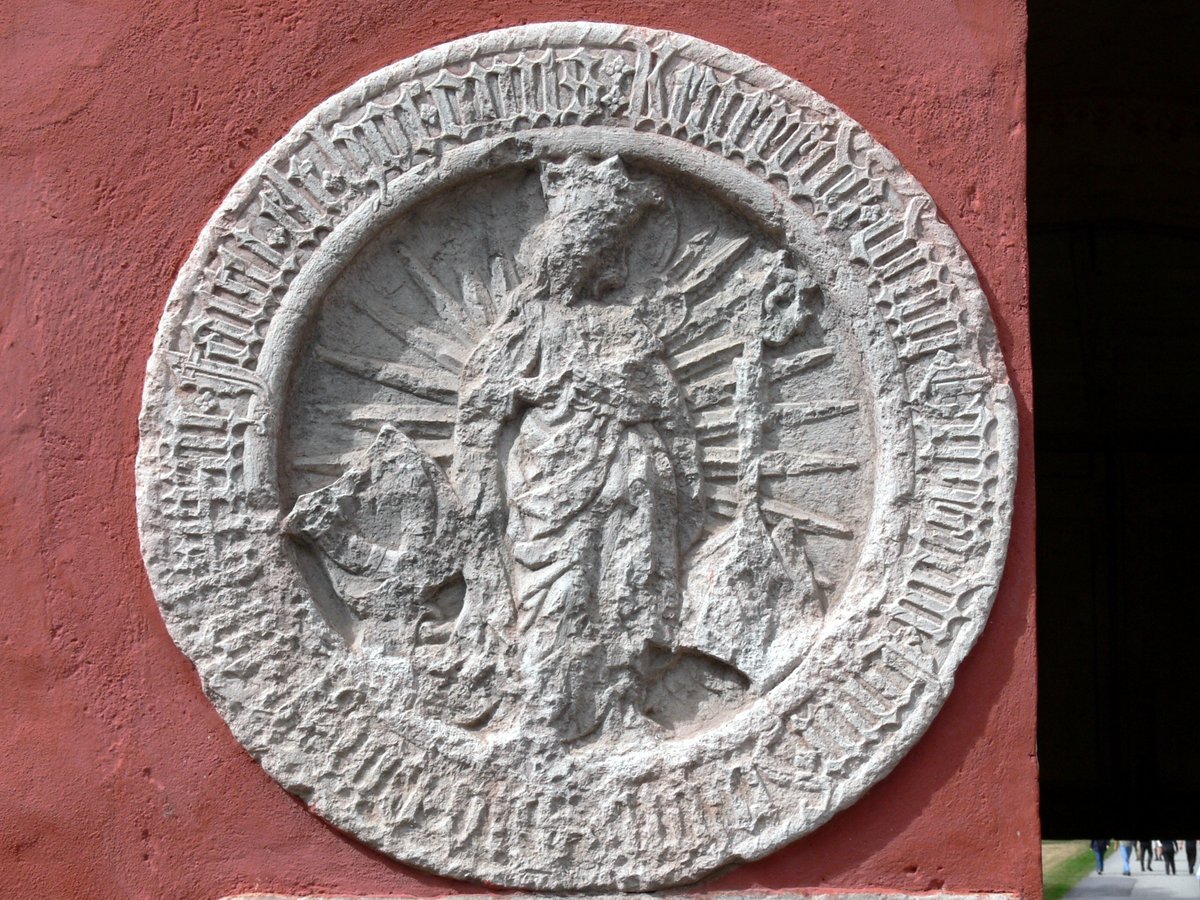

A hidden world waits to be uncovered within the shadow of a stone church. This site once housed Mariefred Charterhouse, which stood as the sole Carthusian monastery in Scandinavia starting in 1504. Founded by Regent Sten Sture alongside the bishops of Uppsala and Strängnäs, the community welcomed monks arriving from near Rostock to establish a life of dedicated devotion.
We can trace a profound reach of influence from this secluded space. The lay brothers established a printing press in 1498 to produce a tract for a rosary-based devotional movement. This work traveled across Europe, demonstrating that the quiet work of the charterhouse had a significant impact throughout the late medieval period.
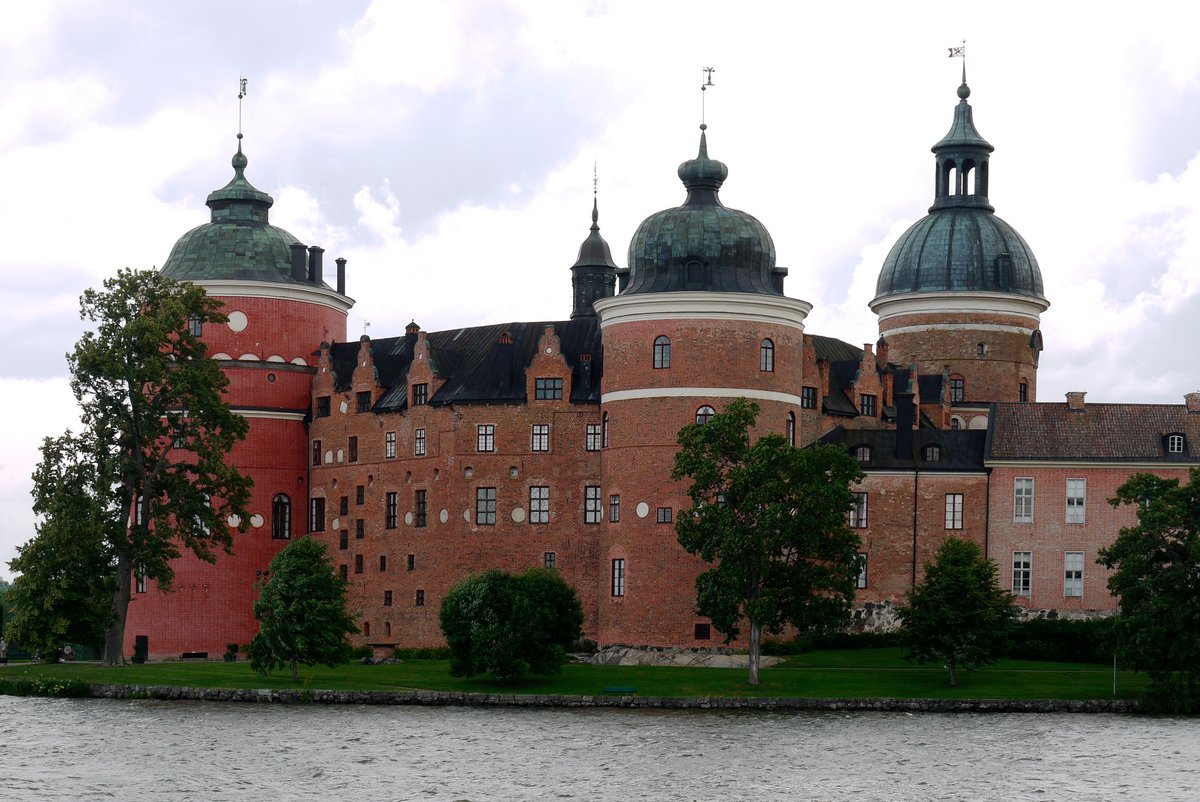
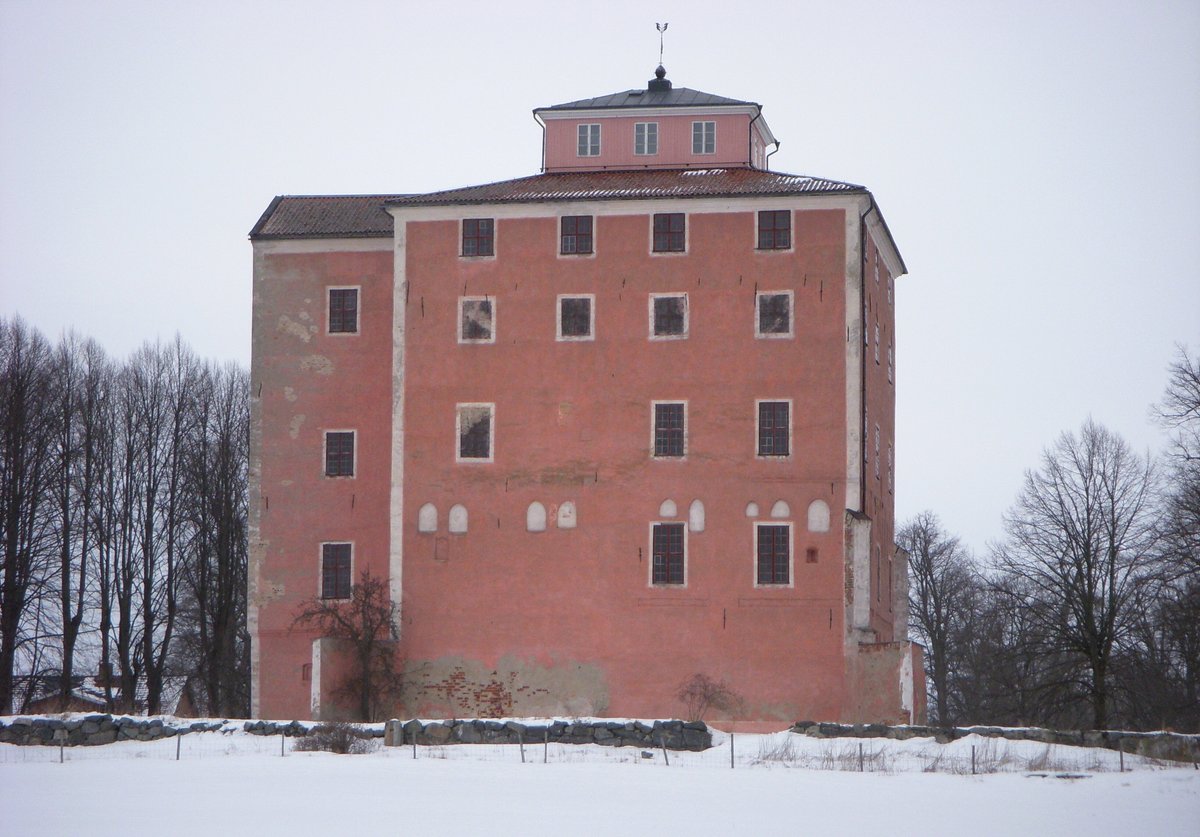
The physical structure eventually succumbed to the changing tides of history. In 1526, Gustav Vasa secularized the land and ordered the dismantling of the monastic buildings. These stones were repurposed for the construction of nearby Gripsholm Castle, erasing most of the monastery from the surface. Today, only a cellar and fragments of a wall remain to the south of the church, while a small collection of original stones sits in the church tower.
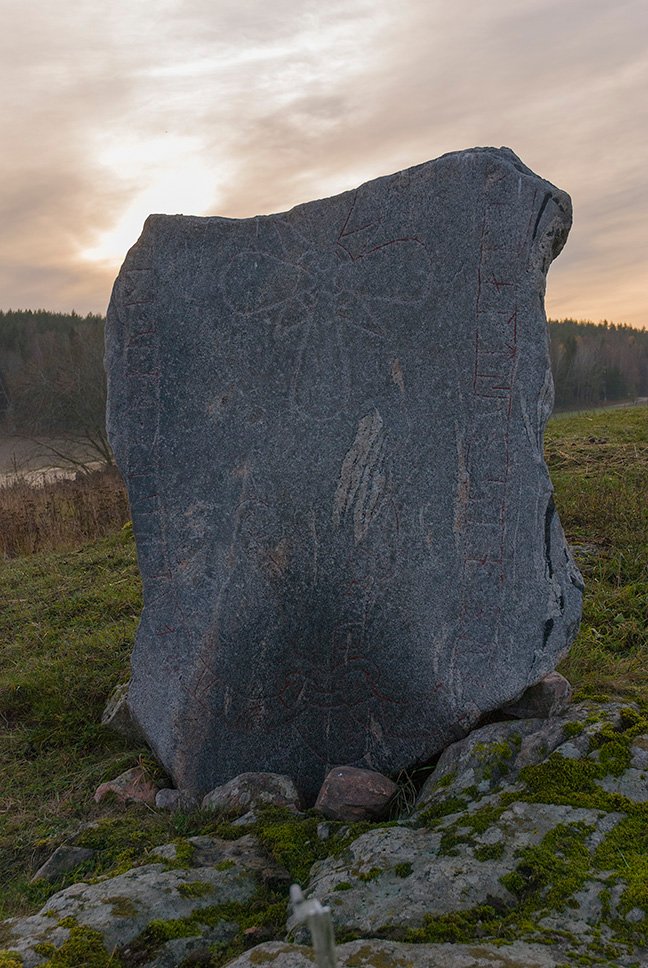
We can still ground ourselves in this history next to the parish church. That church was built over the ruins in the early 1600s. Nearby stands the Sten Sture stone, which was erected in 1905 to mark 1504 as the founding year and the location of the resting place for Sten Sture. Though the buildings are gone, this location remains a vital point for those seeking to explore the local past.
Sources: Wikipedia, OpenStreetMap, Wikidata, Wikimedia Commons
Written by Nik Frost
Discuss this with the author and others
No comments yet. Be the first to start the conversation.