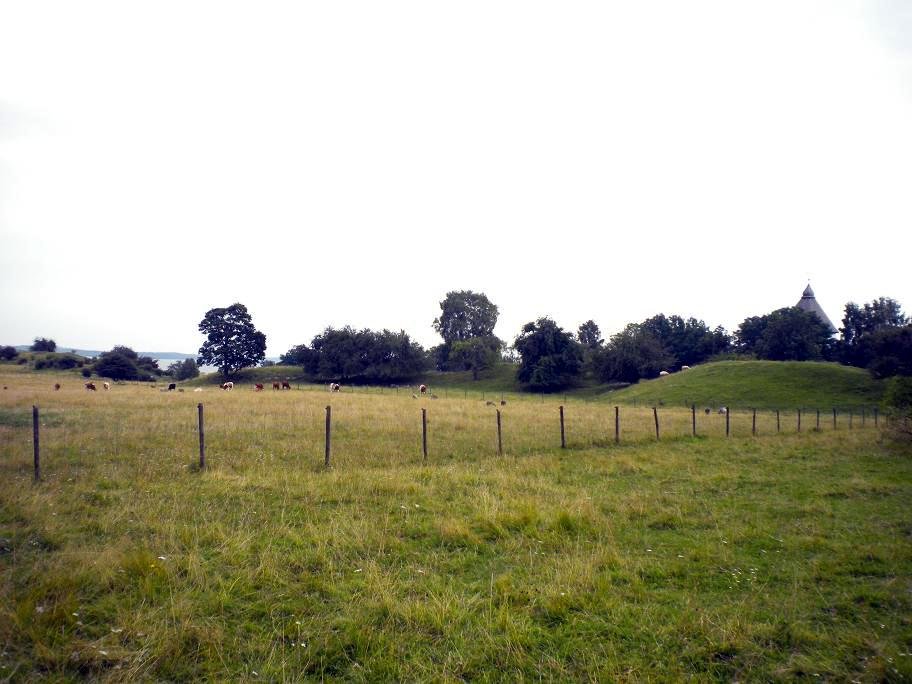

Archaeological efforts in 1917 at Hovgården brought to light a man from around the year 900. He was discovered in a boat with expensive attire and surrounded by horses, cows, and dogs. Hovgården is believed to have been the site from which kings and chieftains ruled the area, and it functioned as a royal estate, or Kungsgård, as early as the Viking Age.
For several centuries, this site functioned as a seat of power for the kings of Sweden. It is assumed the royal settlement at Hovgården was established as the king's means of controlling the international trade post of Birka. Even after Birka was abandoned in the mid-10th century, the estate stayed active. In the 1270s, King Magnus Barnlock constructed Alsnö hus as a brick palace to replace an older castle. He used this palace to establish the Swedish nobility via the Ordinance of Alsnö in 1279. The structure fell into decay after its destruction before the century ended, and Hovgården eventually lost in importance.
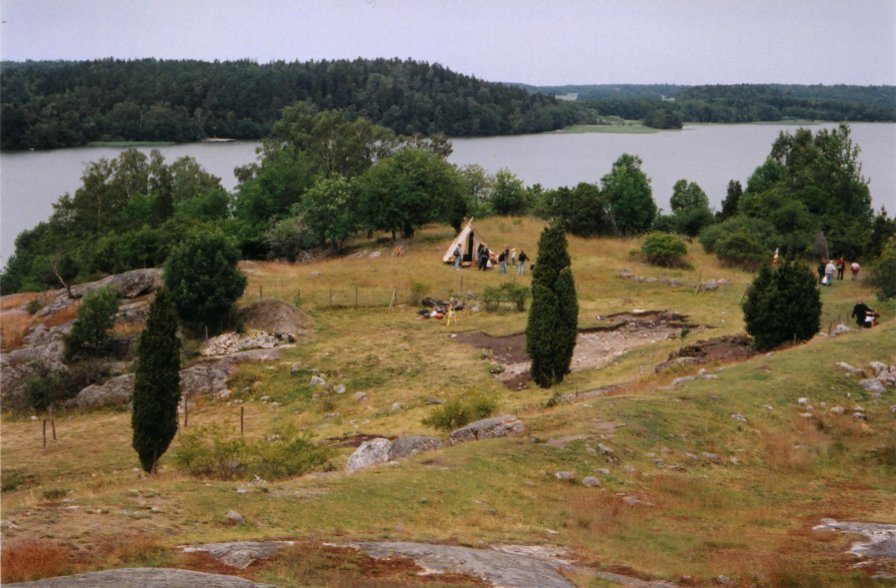
We can now observe the site as part of a UNESCO World Heritage property. The archaeological remains are still visible against meadows that have stayed consistent since the 19th century. We invite you to explore this landscape where a narrow rift valley reaches toward moraines covered in forest.
Sources: Wikipedia, OpenStreetMap, Wikidata, Wikimedia Commons


Written by Nik Frost
Discuss this with the author and others
No comments yet. Be the first to start the conversation.