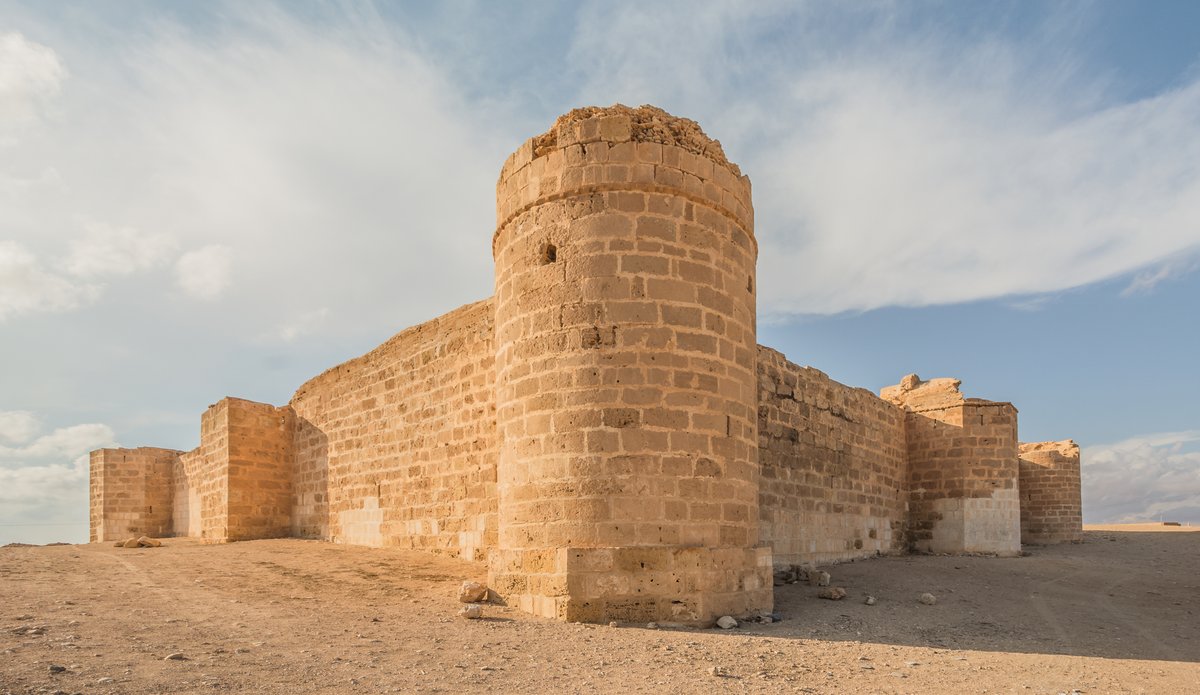

Ounga, also known as Younga or Jounga, is an archaeological site on the Mediterranean coast of Tunisia, located 45 km (28 mi) south of Sfax. Originally a Phoenician and Carthaginian colony under the name Māqōm Ḥadash, the coastal town served as a major intersection for roads from Carthage to Tacape and Sufetula. Following the Punic Wars, the area fell under Roman control and the name was latinized to Macomades. During the early empire, it was distinguished as Macomades Minores, and under the later empire, it was known as Macomades Iunci, Iunca, Lunci, or Lunca.
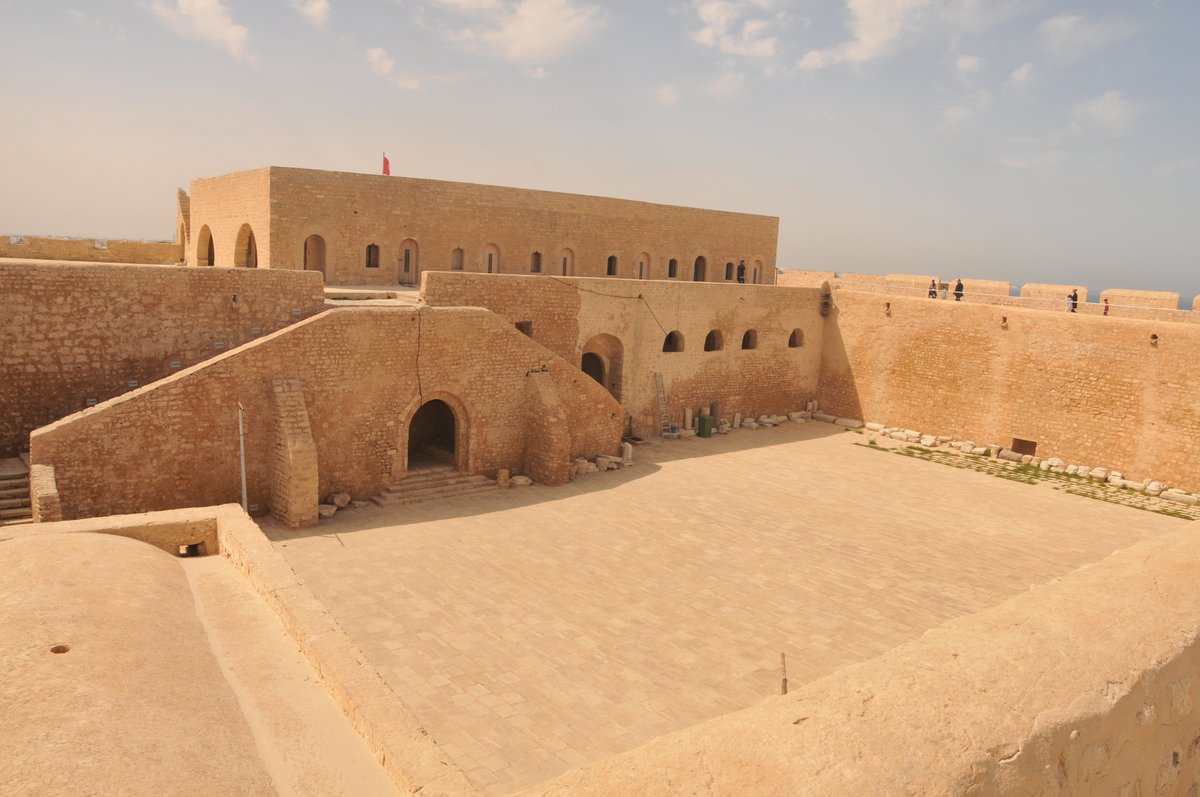
In the 4th century, the name of the city changed, and Ounga became a site of Christian activity. The city maintained relations with Carthage and hosted religious buildings, including three Byzantine basilicas, city ramparts, a citadel, a vaulted cistern, and crypts. Some of these remains show Coptic influence. Records indicate that the bishop Valentinianus attended the Council of Carthage in 412, and the city hosted a provincial council in 524. The site also served as the seat of an ancient Latin Catholic diocese.
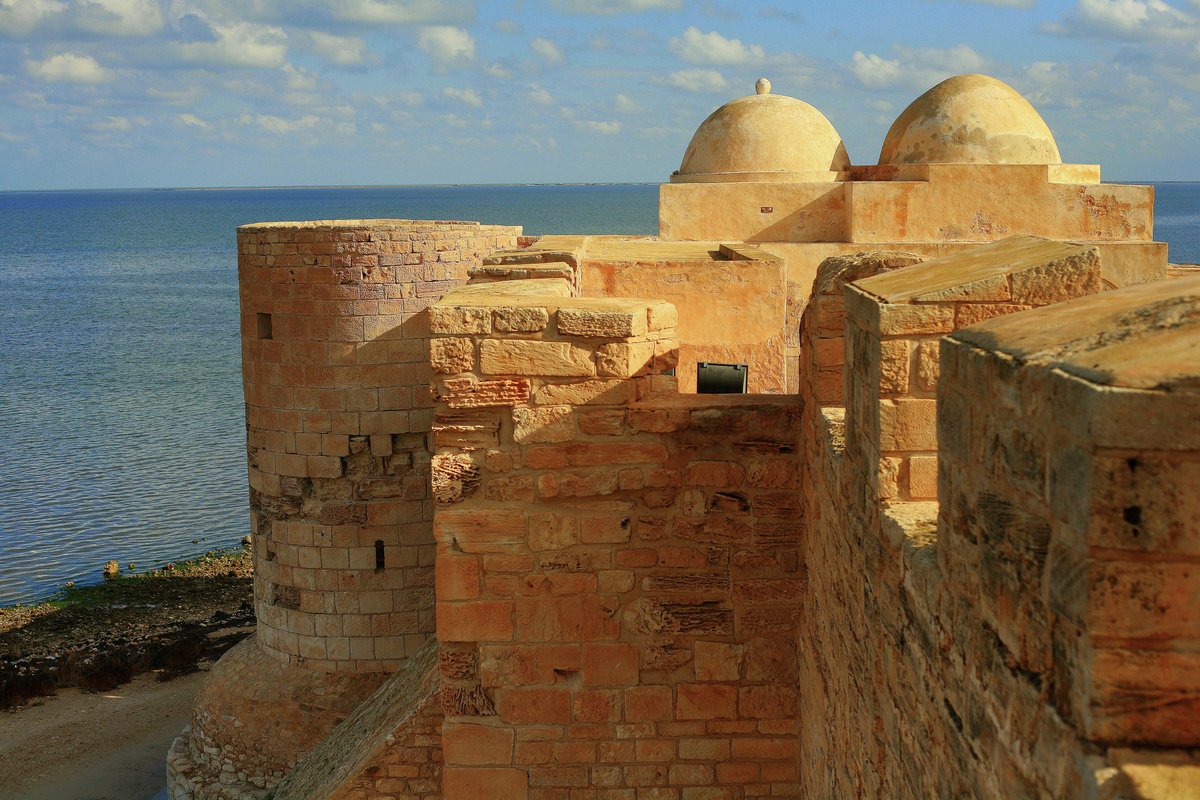
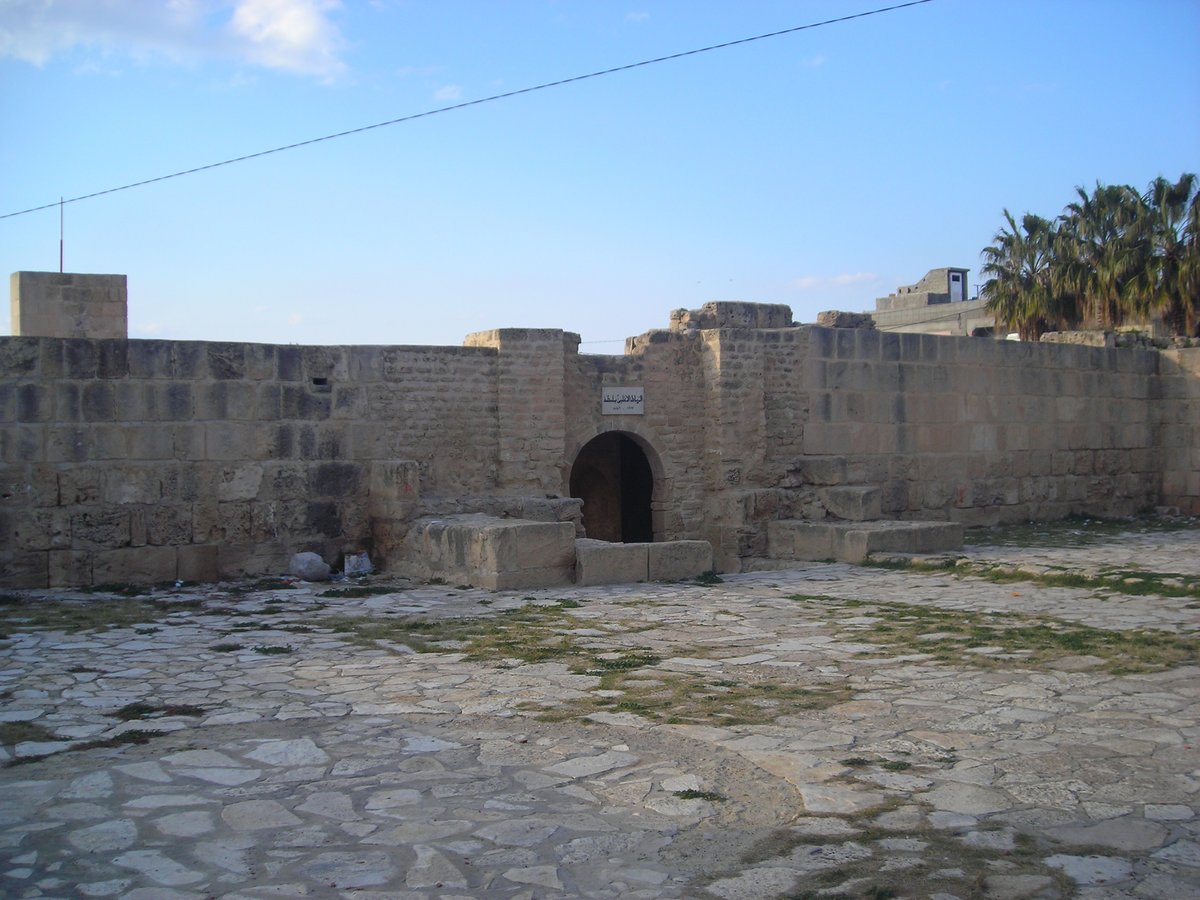
In 1944, French archaeologist Louis Poinssot identified the citadel as the place described by Arab geographers Al Bakri and Al-Idrissi as Kasr er-Roum. Poinssot identified Younga as the new name for the city of Macomades Minores. This relationship was definitively confirmed in 1936 by the discovery of a fragment of a milestone from the mid-3rd century. Today, the remains of the Byzantine fort known as Bordj Younga are noted for their excellent condition.
Sources: Wikipedia, OpenStreetMap, Wikidata, Wikimedia Commons

Written by Mutabor
Discuss this with the author and others
No comments yet. Be the first to start the conversation.