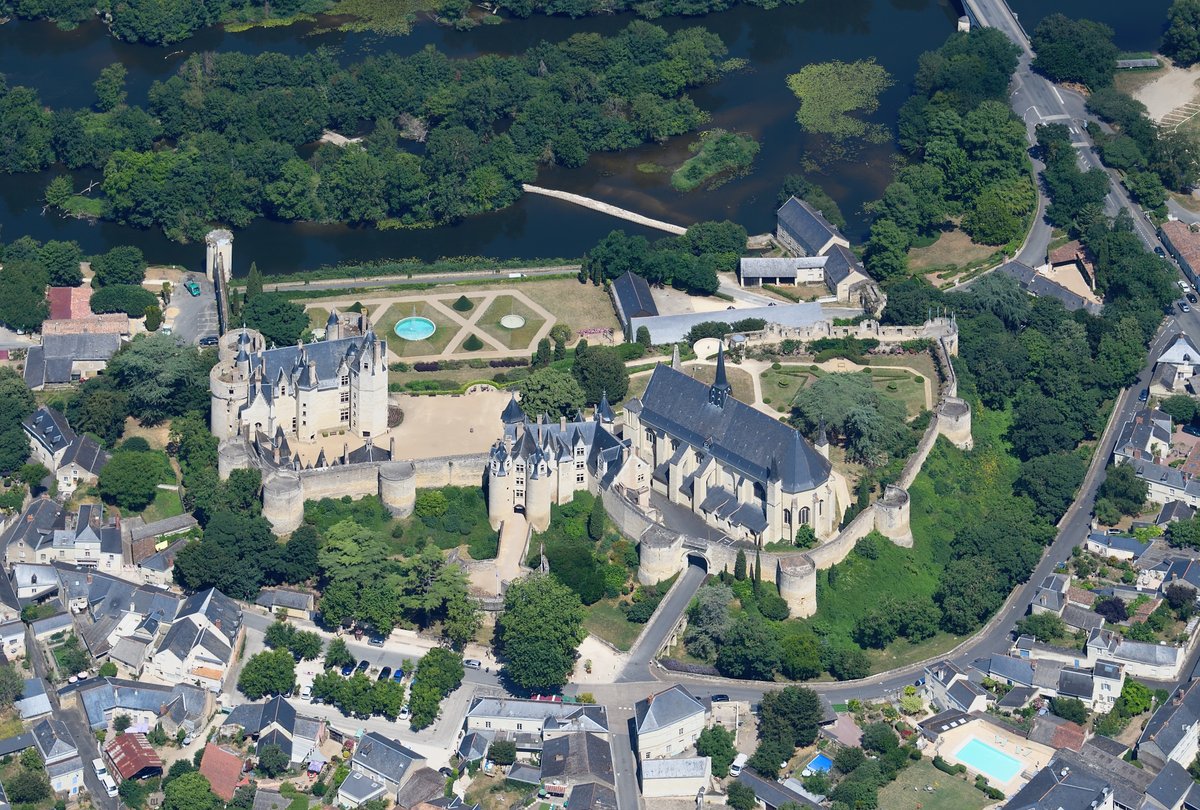

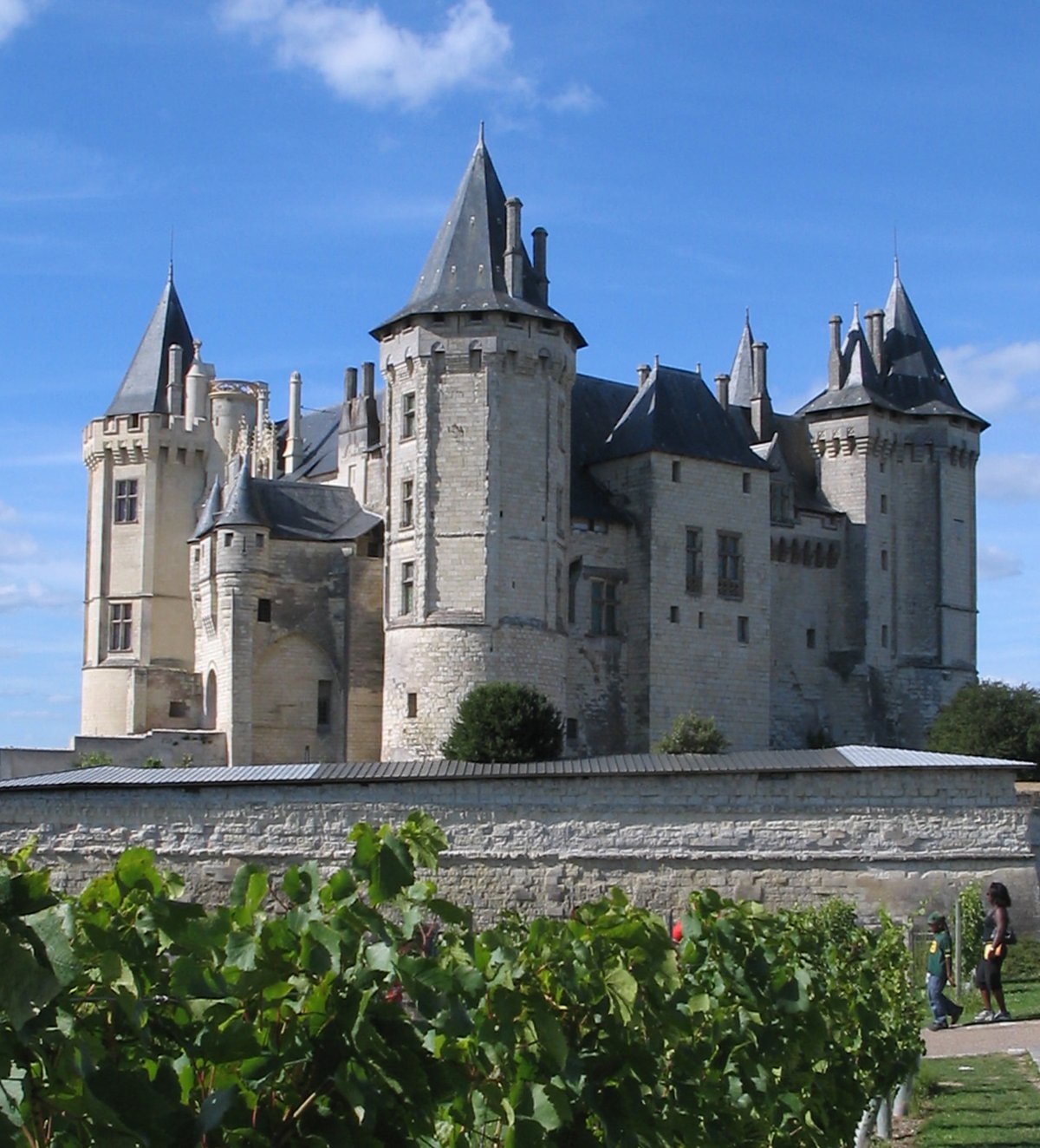
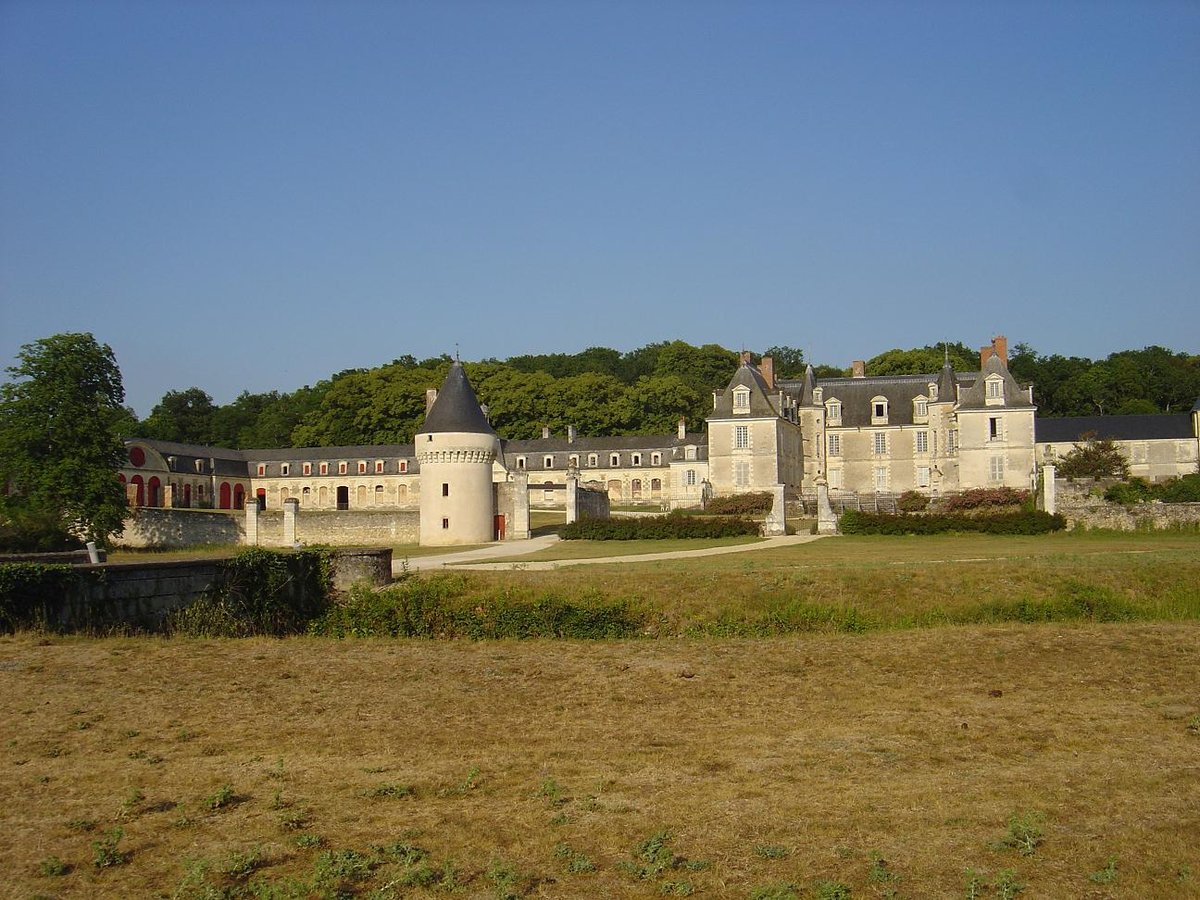
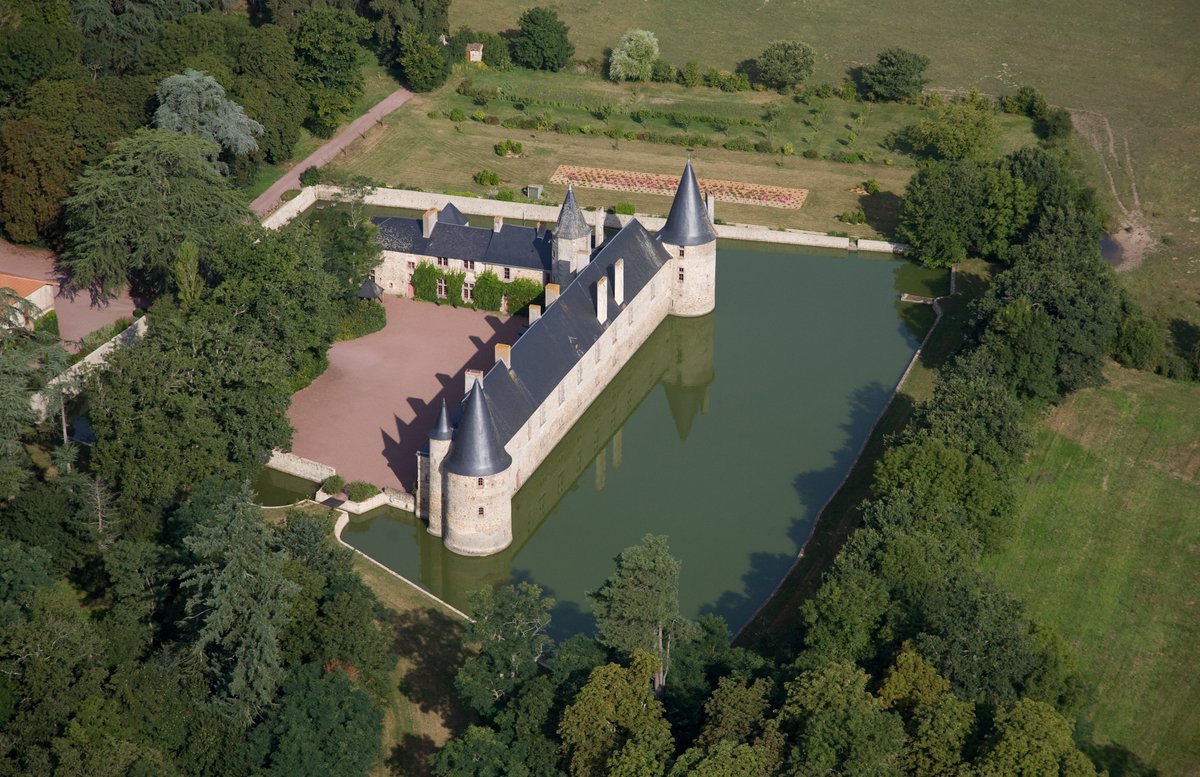
This structure served as a prison for women suspected of being royalists during the French Revolution. The castle was first built on the site of a Gallo-Roman village high on a hill on the banks of the Thouet River.
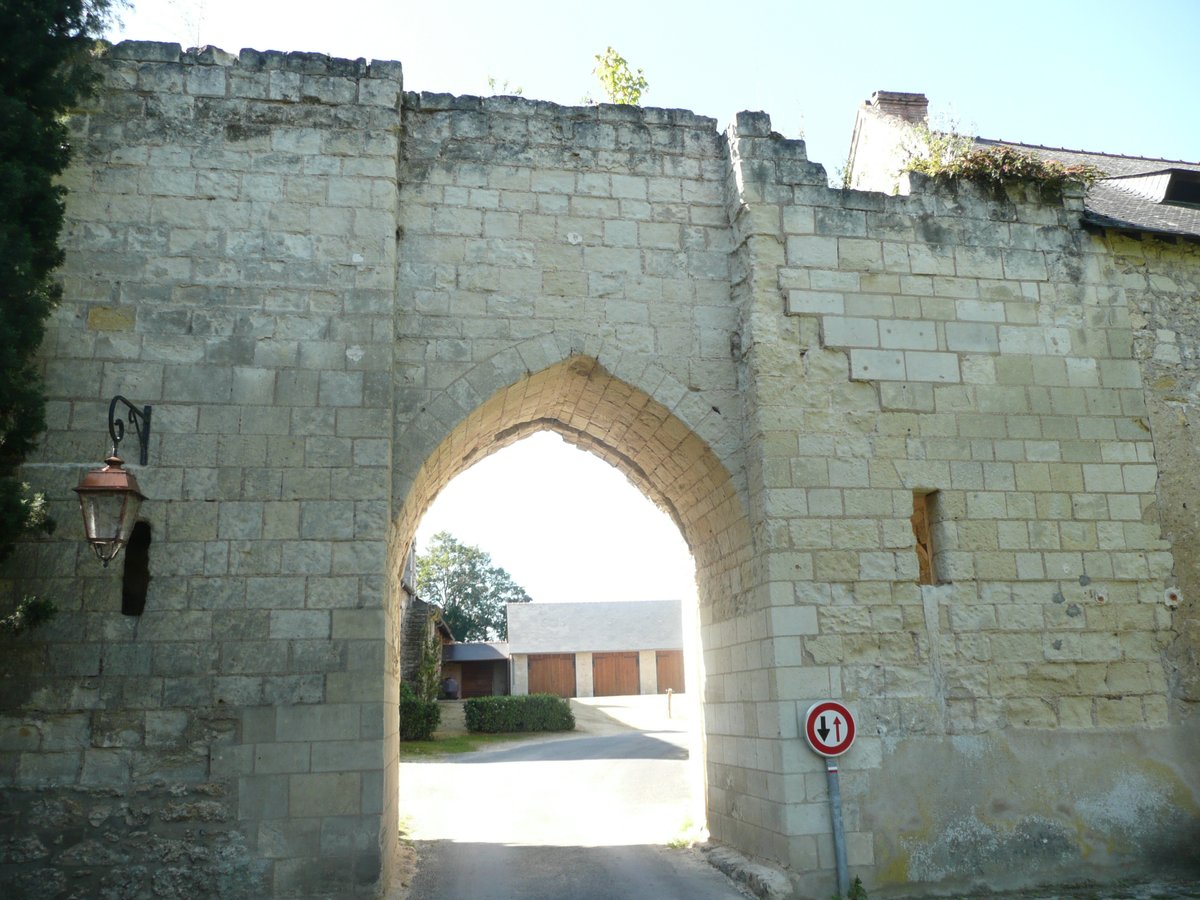
In 1025, Foulques Nerra seized the site from Gelduin le Danois. He was a Plantagenet who made Giraud Berlay his vassal during the second half of the 12th century. Following the defeat of the English by Philip II, the fief returned to a descendant of the Berlay le Vieux family, Guillaume de Melun. During this period, the fief underwent a major renovation involving the construction of high massive walls with 13 interlocking towers and a fortified gateway.
The fortress proved sturdy; while the town of Montreuil-Bellay was ransacked and burned during the French Wars of Religion between 1562 and 1598, the castle suffered little damage. Ownership changed several times, passing through the Cossé-Brissac family.
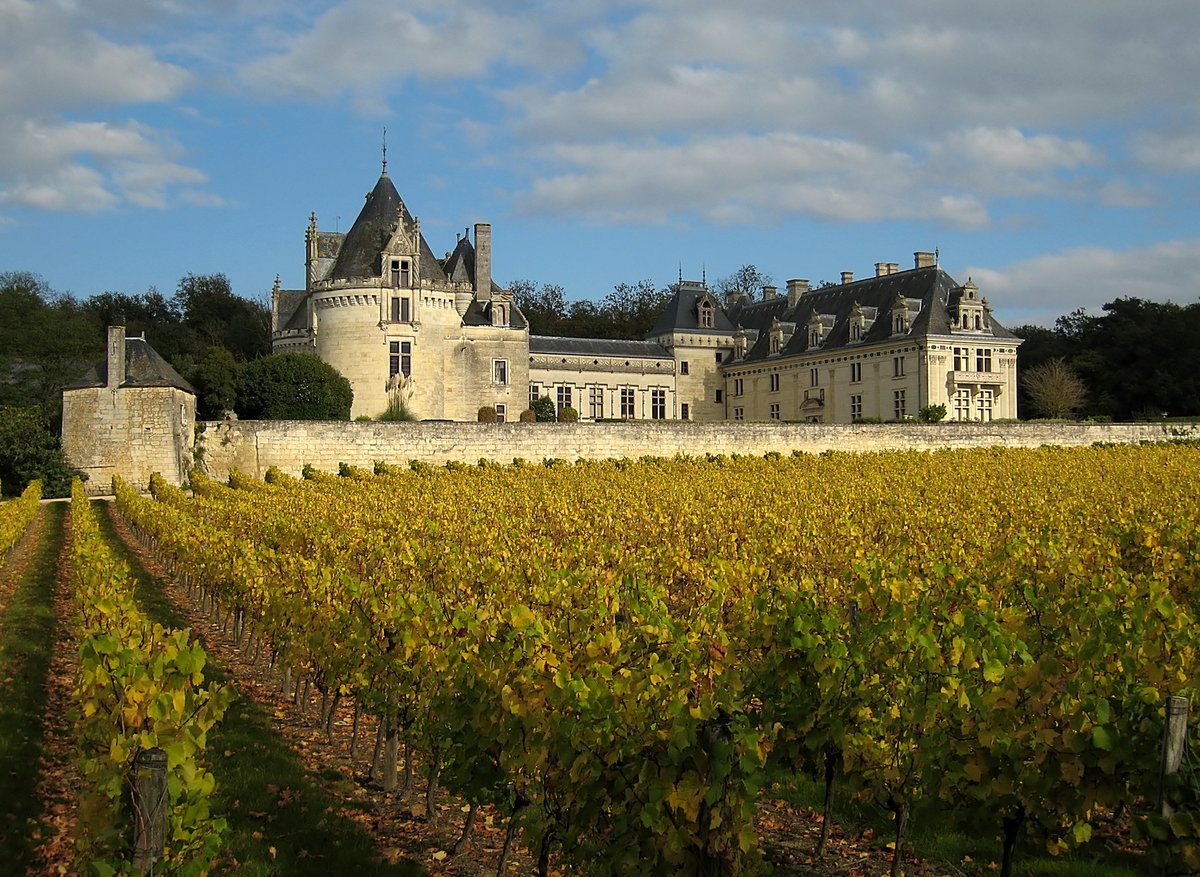
In 1822, Saumur businessman Adrien Niveleau acquired the property and divided the large estate into rental units. In 1860, Niveleau's daughter took up occupancy and began a major restoration, redoing some of the rooms in the Troubadour style. Today, the Château de Montreuil-Bellay is also the name of a premium wine made on the property.
Sources: Wikipedia, OpenStreetMap, Wikidata, Wikimedia Commons
Written by Nicolo Ciampini
Discuss this with the author and others
No comments yet. Be the first to start the conversation.