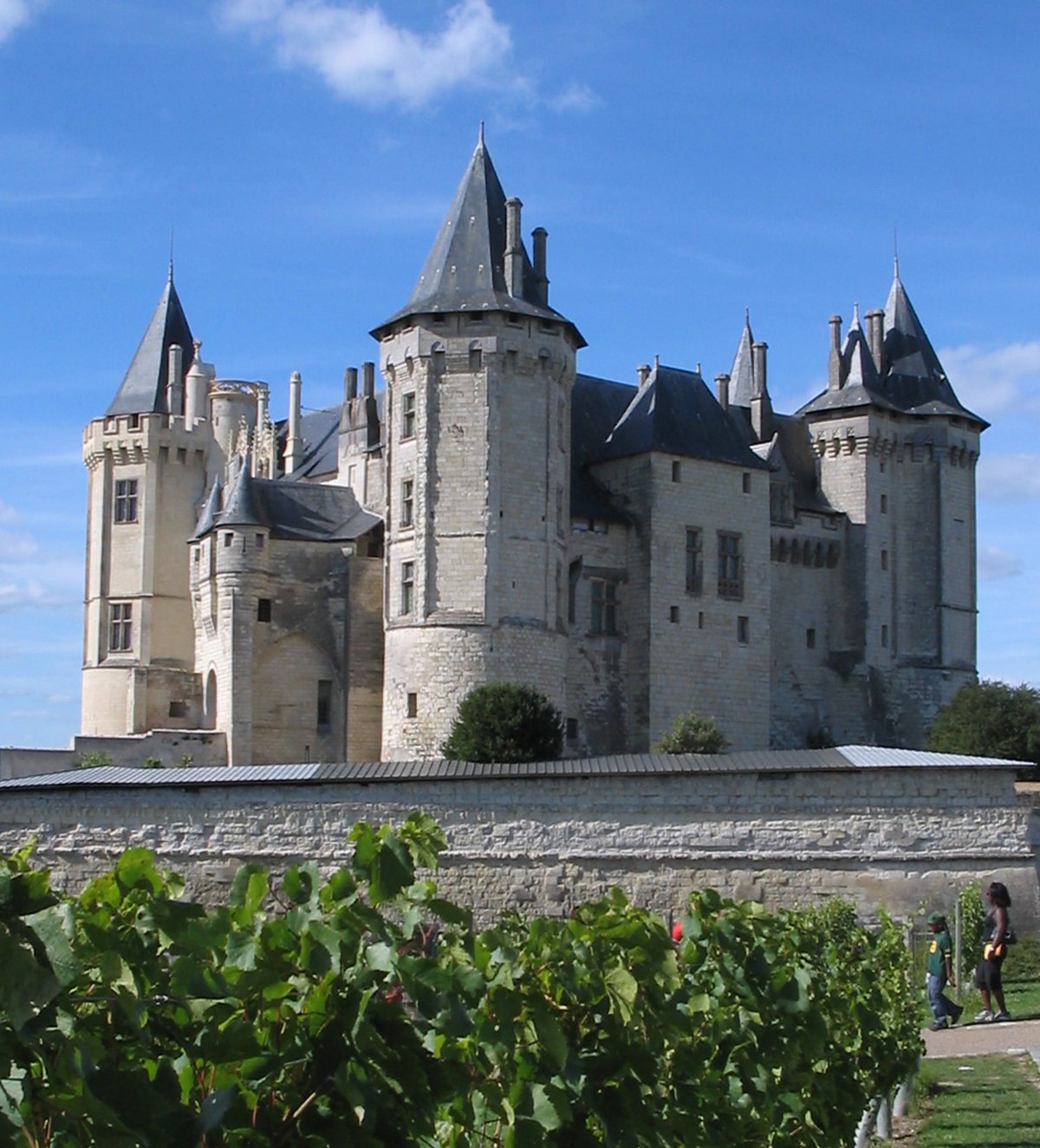

The Chateau de Saumur, in the town of Saumur, Maine-et-Loire, France, began life as a 10th-century defensive castle. Over the centuries, it was no stranger to changing hands among rulers such as Henry II of England and Louis IX, and underwent significant alterations. In the 1360s, Louis I of Anjou, a man of taste, replaced the castle's round towers with octagonal ones, which still stand today. Fast-forward to 1410, and the castle was immortalized in the Tres Riches Heures du Duc de Berry.
René of Anjou made the Château his home until his death in 1480. The castle's ownership was a game of musical chairs until 1589. The castle, in the 1600s, found a new purpose as an army barracks. Shortly after, in the early 19th century, it was transformed into a state prison under Napoleon Bonaparte. Saved from oblivion, the city of Saumur claims the castle in the early 20th century, turning it into a museum reflecting Saumur's equestrian tradition and its famous 'Cadre Noir'.
The museum, today, houses the Musée de la Figurine-Jouet, a collection of old toys and figurines. The Chateau de Saumur has been recognized as a monument historique by the French Ministry of Culture since 1862. The town purchased the castle from the state government in 1906, and it was restored by 1997. History repeats itself, as the castle suffered damages during World War II shelling and was again restored. In 2001, part of the northern rampart collapsed, only to be restored later.
Sources: Wikipedia, OpenStreetMap, Wikidata, Wikimedia Commons
Written by Nicolo Ciampini
Discuss this with the author and others
No comments yet. Be the first to start the conversation.