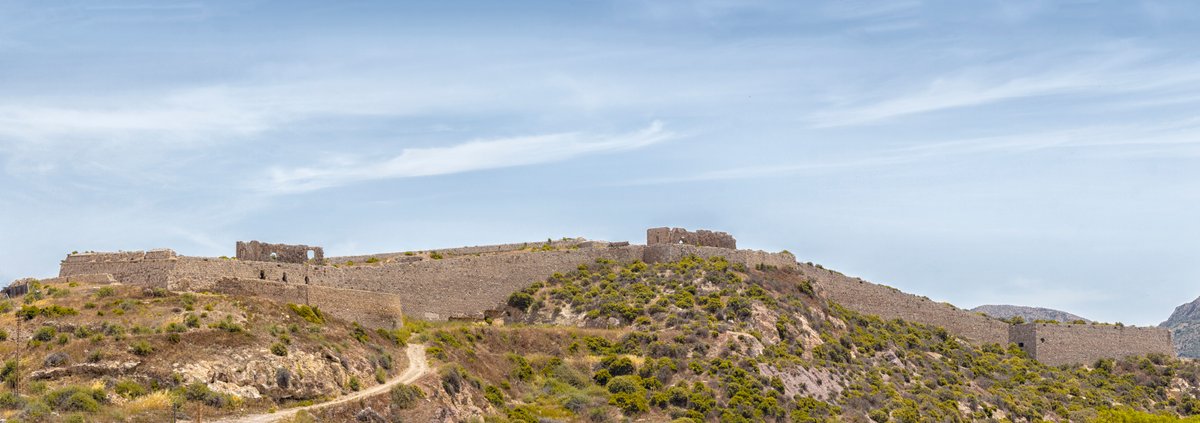

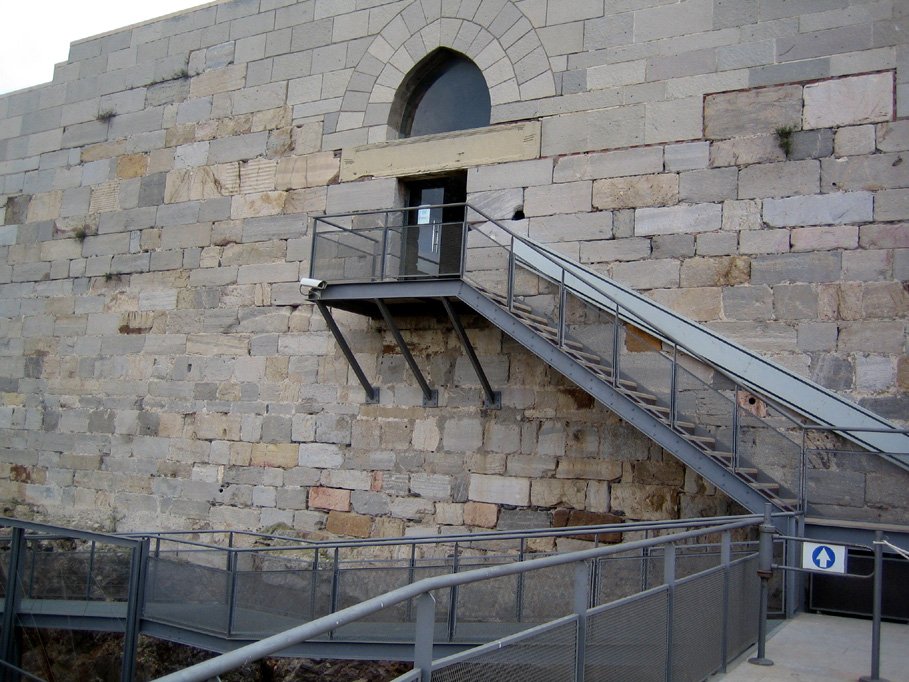
Located in the Santa Lucía neighborhood of Cartagena, the Castillo de los Moros was constructed between 1773 and 1778. The project was designed by the military engineer Juan Martín Cermeño during the reign of Carlos III to improve military structures in the city. The works were eventually directed by Mateo Vodopich. The castle is situated on the Cerro de los Moros, a position that had been used for artillery as early as 1706 during the War of Spanish Succession.
The fortress was ceded by the Ministry of War to the Ministry of Finance in 1921. In 1925, a proposal was made to house a judicial prison within its walls, but the idea was eventually discarded. The property passed to the City Council of Cartagena on September 24, 1929, and has remained without specific use or maintenance since that time, leading to a state of prolonged deterioration.
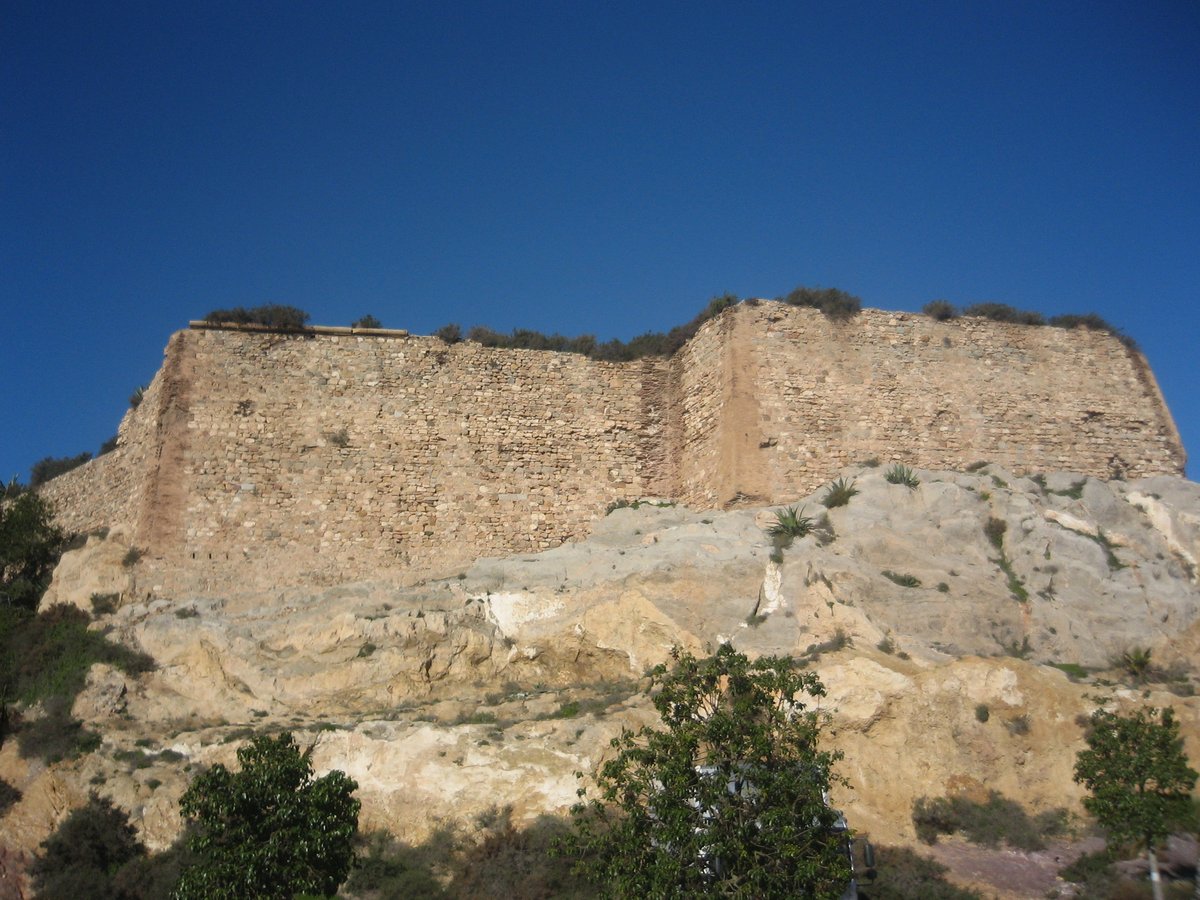
Architecturally, the castle rises 56 meters above sea level and follows the parameters of the neoclassicism of the Spanish school. It is often referred to as a hornabeque, though there is consensus that it is a work crowned with a structure. The building was designed to protect the front of the Hospital de Marina and the San José Gates, which were among the monumental entrances to the old city surrounded by the walls of Carlos III. The site was declared a Bien de Interés Cultural on August 7, 1997.
Sources: Wikipedia, OpenStreetMap, Wikidata, Wikimedia Commons
Written by Nicolo Ciampini
Discuss this with the author and others
No comments yet. Be the first to start the conversation.