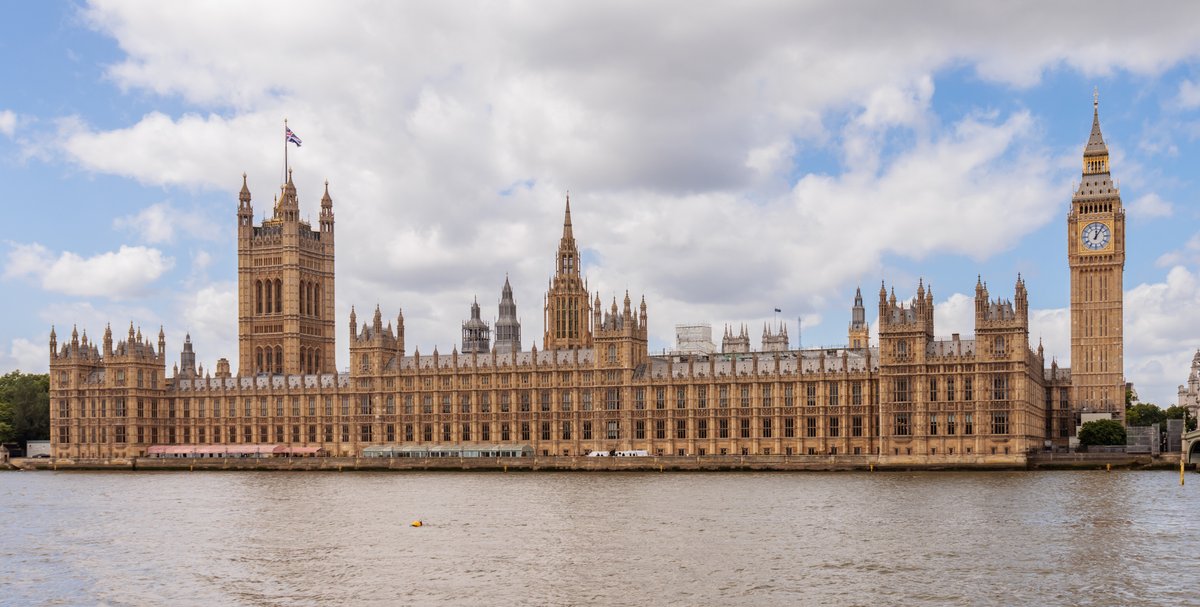
The Palace of Westminster, often called the Houses of Parliament, is an iconic building in the heart of London. Originally constructed in the 11th century, it was the primary residence of England's monarchs until 1512, when a fire ravaged the royal apartments, forcing the monarch to move to the Palace of Whitehall. The rest of the palace continued to function as a meeting place for the Parliament of England, where sessions had been held since the 13th century.
Disaster struck again in 1834, with another, more devastating fire that leveled much of the palace. Only the 11th century Westminster Hall, a symbol of ancient England, survived and was incorporated into the rebuilt palace. The competition to design the new palace was won by Charles Barry, who selected a Gothic Revival style. Construction began in 1840 and lasted for 30 years, plagued by delays, cost overruns, and the deaths of both Barry and his assistant, Augustus Pugin.
Prior to the new palace's completion in 1870, the monarch had moved to Buckingham Palace in 1837. The new palace, with its ornate decoration, contributed to the proliferation of Gothic Revival architecture. Today, despite further conservation work, the palace still needs some repairs and is home to the Houses of Commons, Lords, and the monarch. Its total floor area is 1,210,680 ft² (112,476 m²).
Sources: Wikipedia, OpenStreetMap, Wikidata, Wikimedia Commons
Written by Nicolo Ciampini
Discuss this with the author and others
No comments yet. Be the first to start the conversation.