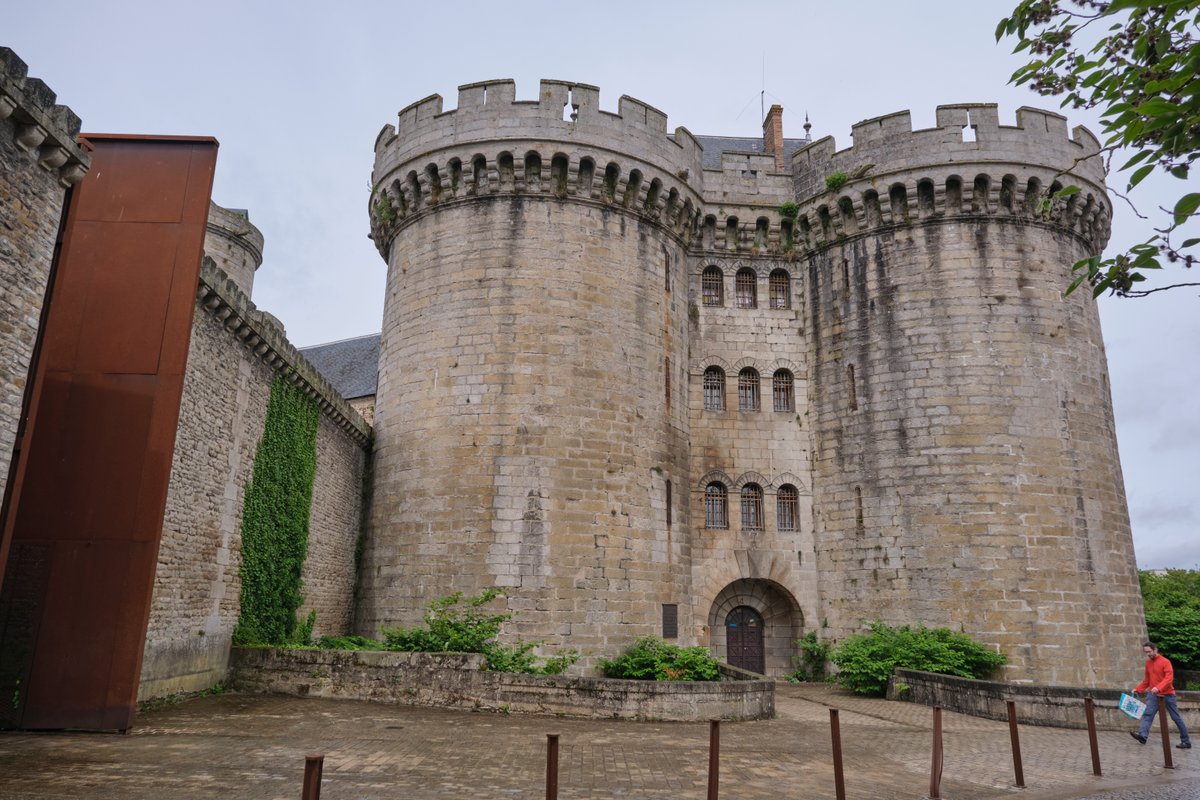

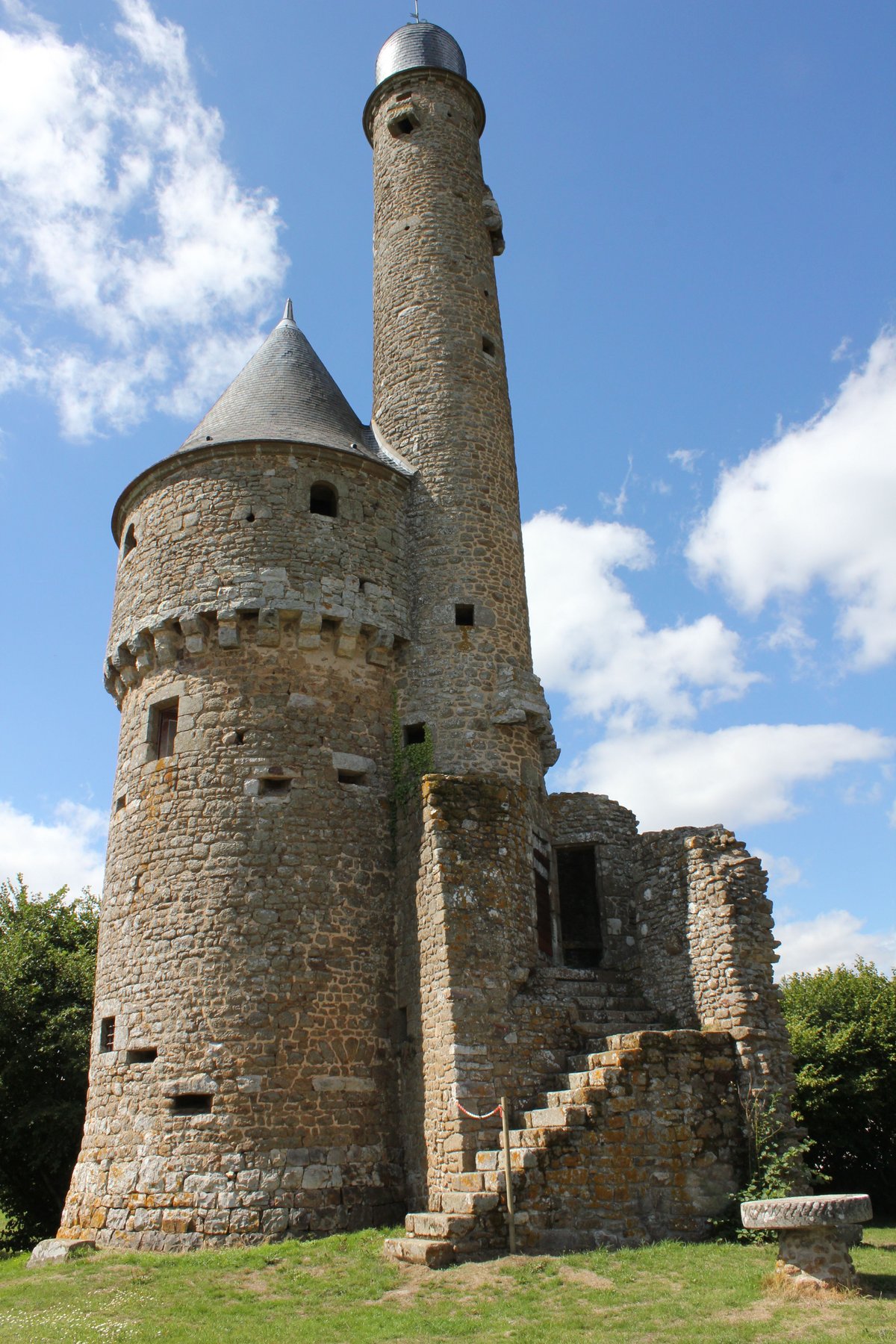
Located in the city center of Alençon on the left bank of the river Briante, Château des ducs d’Alençon is a remnant of a grander past. The first castle was built in the 9th century under Richard I, while the current structure is a 12th-century fortress with buildings dating to 1400. It was an essential element for the defense of Normandy on its southern border against potential Anjouais attacks, preventing access to the plains of Normandy moyenne.
The castle, initially under the control of the Bellême family, changed hands and uses many times, from a ducal residence to a prison. Under Robert I, the castle suffered a siege to assert authority over the fortress following a rebellion by Guillaume de Bellême. Around 1050, Guillaume le Bâtard came to besiege the castle of the Bellême family, which had been taken by Geoffroy Martel, Count of Anjou. In 1113, Henri I Beauclerc took Alençon and built a large square Romanesque donjon.
In 1220, the castle and the county of Alençon were joined to the royal domain. In 1285, Charles de Valois received the apanage. Jean Ier, who died in 1415, constructed a second castle around the square donjon. His descendant Jean II was a companion of Jeanne d'Arc. In 1592, Henri IV ordered the destruction of the castle. The donjon was used as a prison for one year in 1780 before being destroyed in 1782. In 2018, the city of Alençon bought the castle from the State to begin renovations.
Sources: Wikipedia, OpenStreetMap, Wikidata, Wikimedia Commons
Written by Nicolo Ciampini
Discuss this with the author and others
No comments yet. Be the first to start the conversation.