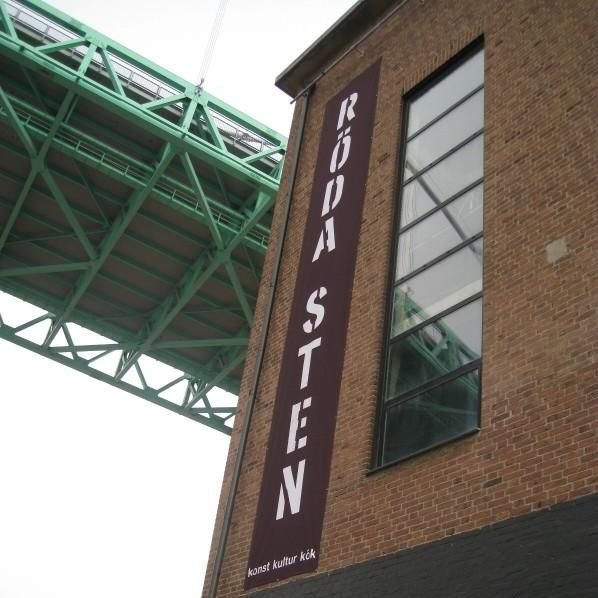

Röda sten, nestled in the Sandarna district along Göteborg’s harbor, is recognized by its distinctive post address, 'Röda Sten'. The only remaining structures from its industrious past are a pannhuset, built in 1940 and now home to Röda Sten konsthall, and a former smedja owned by Transportstyrelsen. The kajavsnittet between Röda sten and Älvsborgsbron is called Carnegiekajen.
The island's history spans centuries. It has been repainted red numerous times, yet the reason remains unclear. One theory suggests that the stone was used as a boundary marker between Sweden and Denmark as early as the 1000s. Another theory proposes that the stone is a relic of a bloodstain from a dead Swedish officer during a Danish landing. A third theory suggests that the stone was merely a navigation marker. The name Röda sten has been known since 1758.
In the 1500s, the boundary of Älvsborgs city was at Röda sten. Around the turn of the 18th century, there was a glass factory, a foundry, several salt houses, and numerous inns, including the famous 'Hylan'. The New Repair Railway was built in the early 1800s. During the 1800s and 1900s, the house at Röda Sten was abandoned and repurposed for various events that contributed to the cultural notoriety of the area.
Sources: Wikipedia, OpenStreetMap, Wikidata, Wikimedia Commons
Written by Nik Frost
Discuss this with the author and others
No comments yet. Be the first to start the conversation.