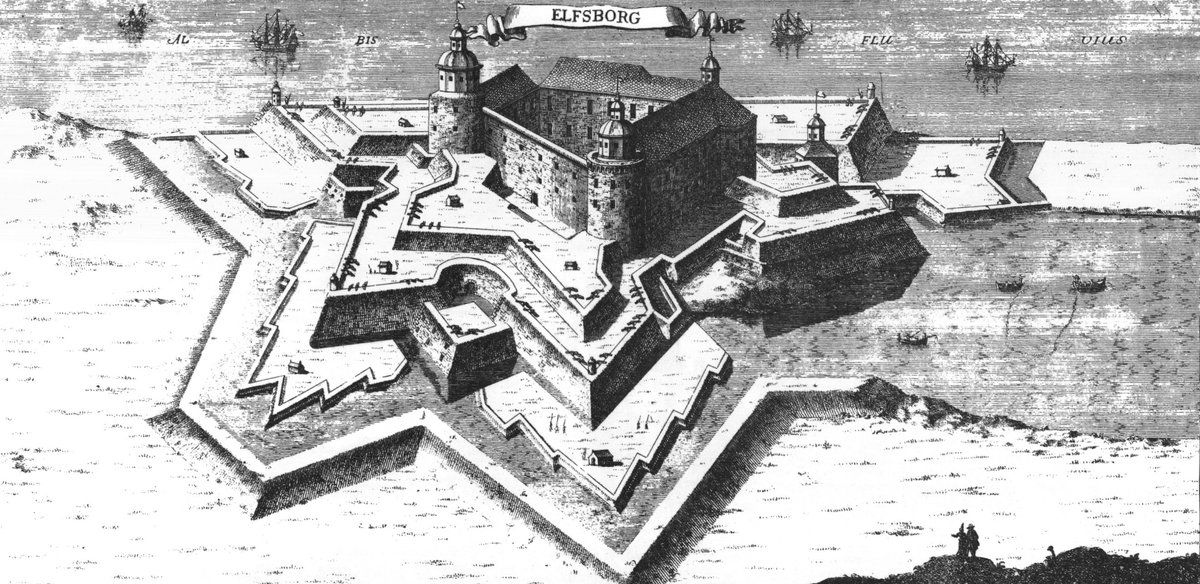

Älvsborg Castle, originally built during the Middle Ages, had immense strategic importance for Sweden as it was the only access point to the North Sea. Initially built during the reign of King Magnus Eriksson, the castle was a central point for conflicts between Sweden and Denmark during the Middle Ages. During the reign of King Magnus Eriksson, Älvsborg Castle was swiftly attacked during the Engelbrekt Rebellion and later captured without a fight by the Norwegians under Karl Knutsson Bonde.
This pattern of conflict continued with wars between Sweden and Denmark-Norway, till 1653 when the castle was once again attacked during the Northern Seven Years’ War. Through the centuries, the castle was fortified, rebuilt, and eventually demolished in the late 17th century after it was deemed obsolete. Today, some ruins of the castle can still be seen near the southern pylon of the Älvsborg Bridge. The county administration of Älvsborg County was also relocated to Gothenburg after the demolition.
Älvsborg gave its name to three subsequent fortifications in different areas. The castle’s name was preserved in Älvsborg County until it was merged in 1997. Numerous organizations and private clubs in the area still use the name Älvsborg.
Sources: Wikipedia, OpenStreetMap, Wikidata, Wikimedia Commons
Written by Nik Frost
Discuss this with the author and others
No comments yet. Be the first to start the conversation.