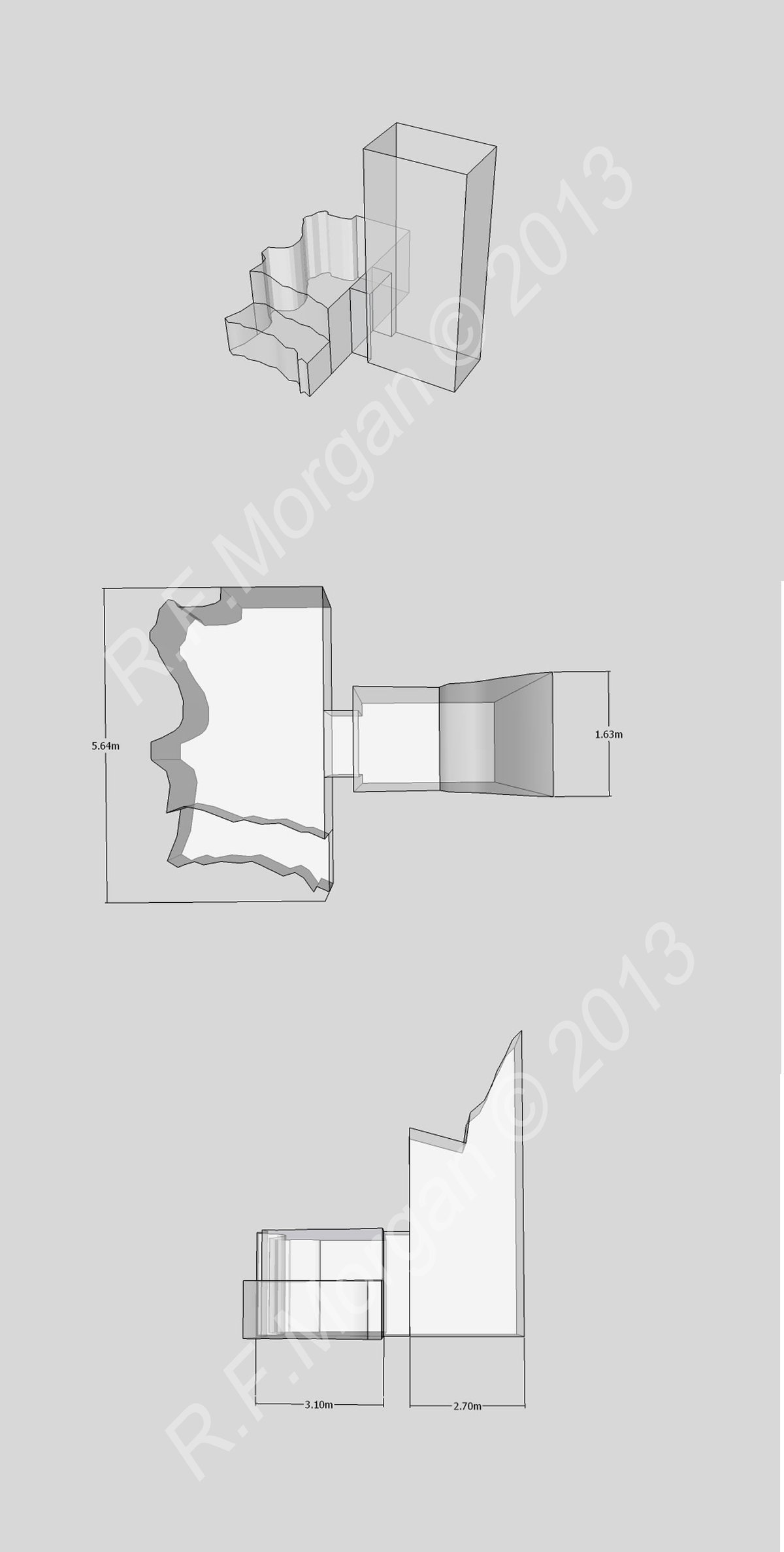

In the Valley of the Kings, where the pharaohs of ancient Egypt were laid to rest, lies the unfinished tomb known as WV24. Reported by Robert Hay and John Wilkinson in the 1820s and visited by Howard Carter, the tomb was not fully explored until Otto Schaden's excavations in 1991. It is located 12 metres from the entrance of WV25, and like that neighboring tomb, it was left unfinished.
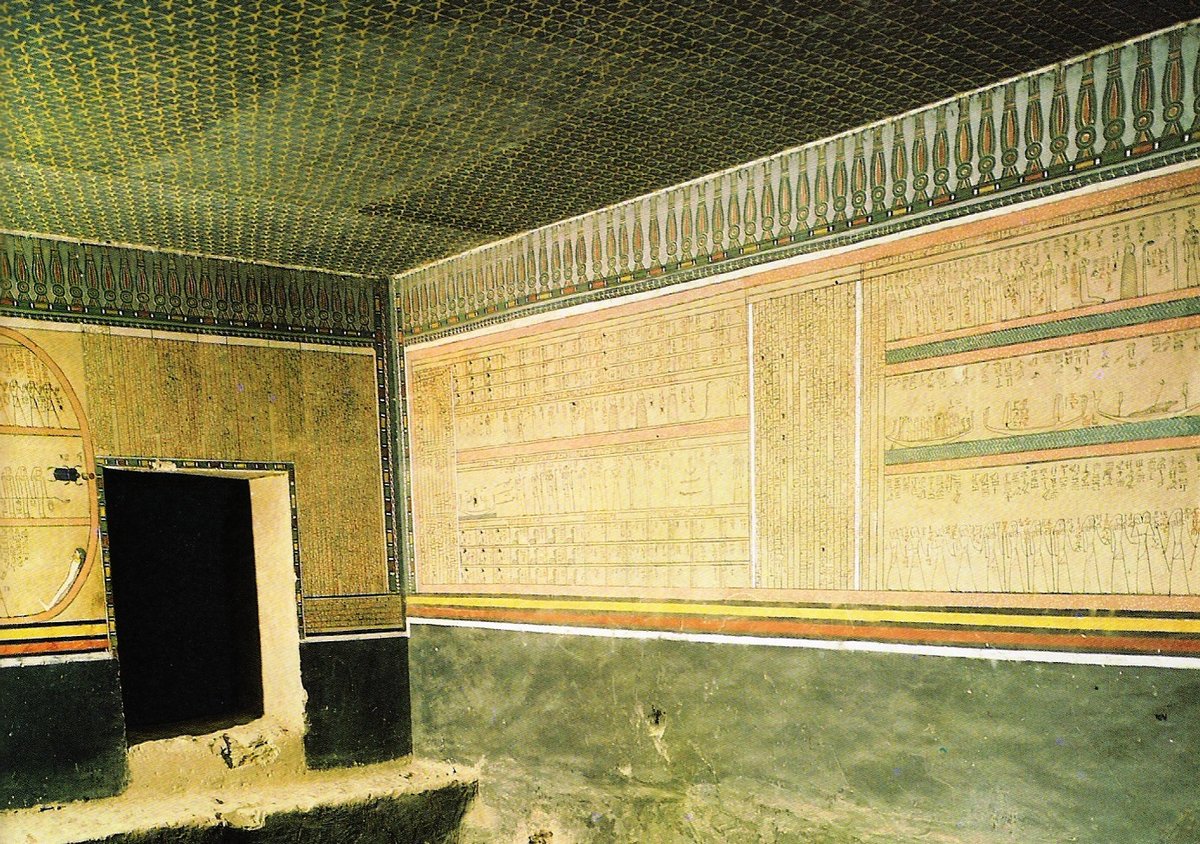
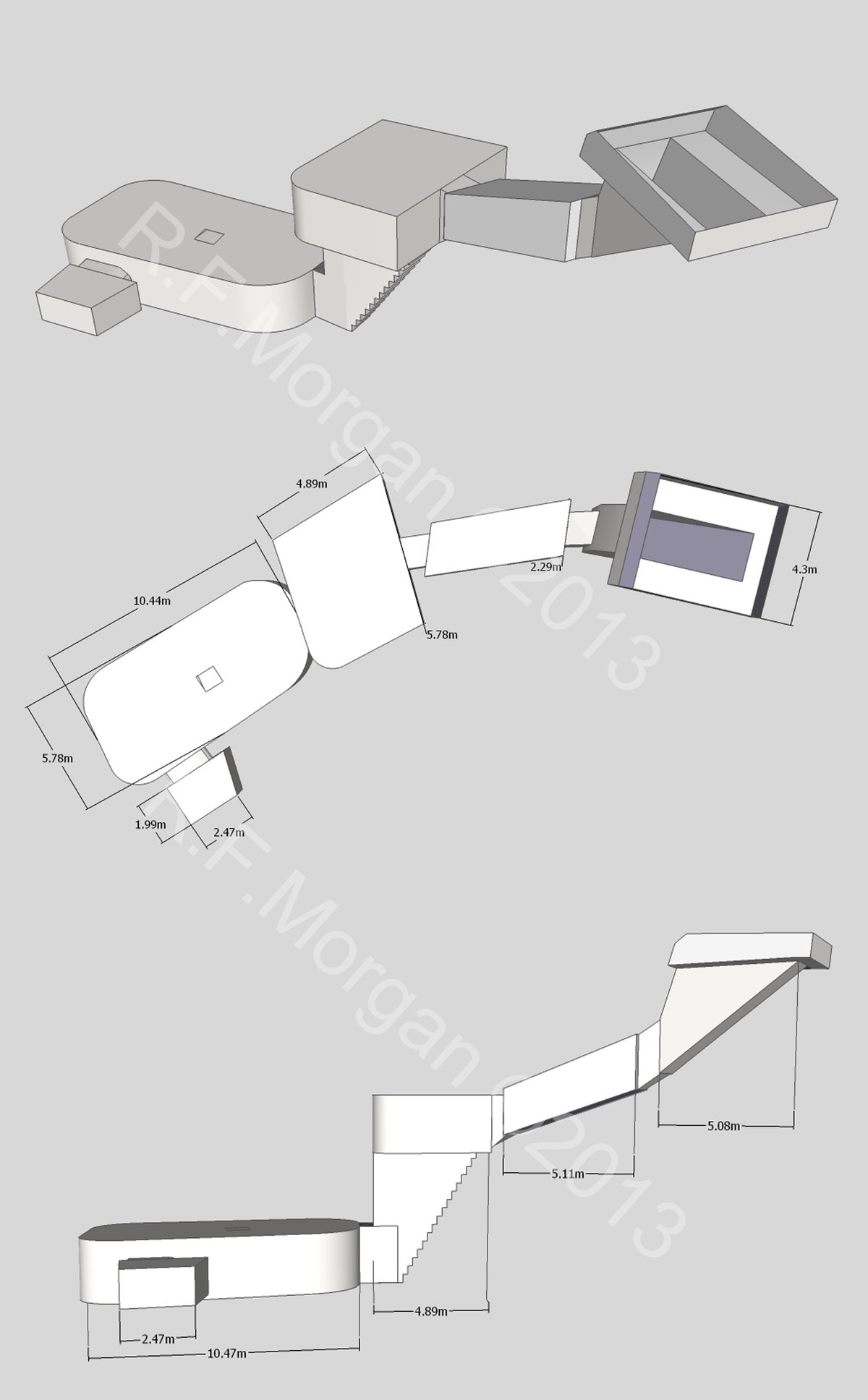
WV24 dates to the Eighteenth Dynasty and consists of a well-cut vertical shaft that opens via a large doorway to a single chamber. The room is roughly rectangular but is uneven at the eastern end and has a low bench cut along one side. The presence of a wooden mallet and fragments of chisels left by masons supports the theory that the tomb was left unfinished by its builders.
Given its close association with WV25, Richard H. Wilkinson and Otto Schaden suggest it may have been intended for a high ranking noble, or perhaps it was meant to be a storage chamber for overflow from the royal burial, as seen with WV23 and WVA. The amount of work done on the cutting of both this tomb and WV25 suggests the tombs were commenced and abandoned at the same time.
While the tomb does not appear to have received an Eighteenth Dynasty burial, it was used in the Third Intermediate Period for the burial of at least five individuals, including a baby. Fragments of furniture, glass, ivory and gold dating to the Eighteenth Dynasty were found inside, likely originating from WV23. Late Roman and Coptic pottery were also recovered from the tomb, marking different periods of its history.
Sources: Wikipedia, OpenStreetMap, Wikidata, Wikimedia Commons
Written by Mutabor
Discuss this with the author and others
No comments yet. Be the first to start the conversation.