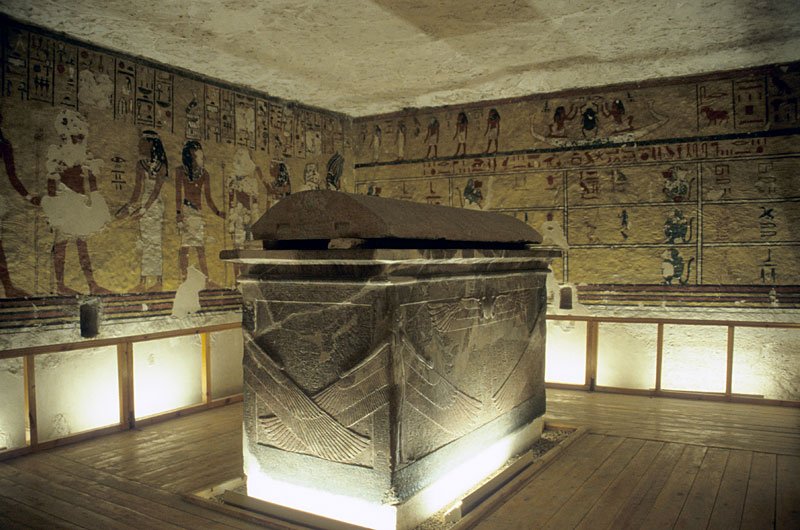

Ay was a vizier under Tutankhamun who later succeeded him as pharaoh during the late Eighteenth Dynasty of the New Kingdom. He ruled for four years and was buried in WV23, a tomb in the Western Valley of the Kings. The tomb was discovered in 1816 by Giovanni Belzoni, who found it just below the surface after probing a pile of stones with his cane.
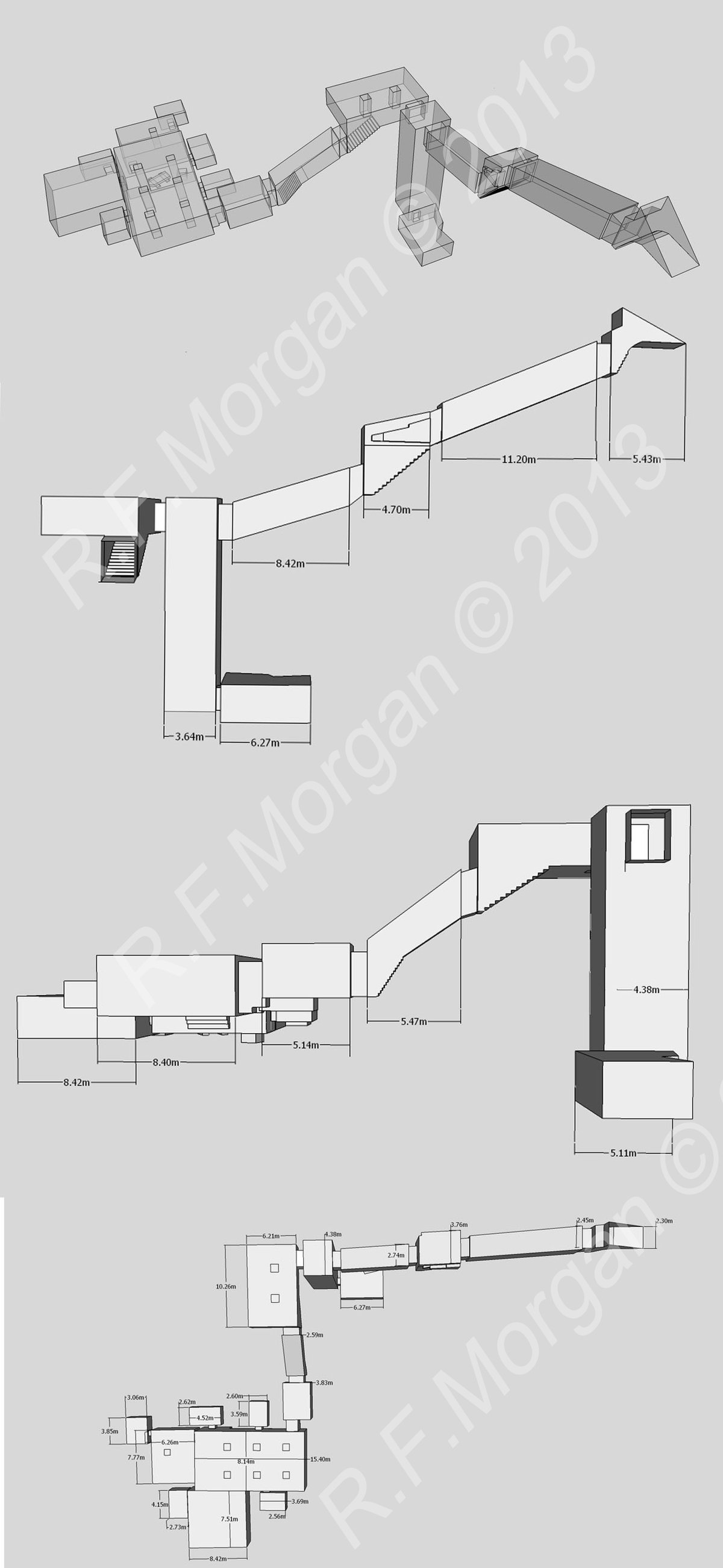
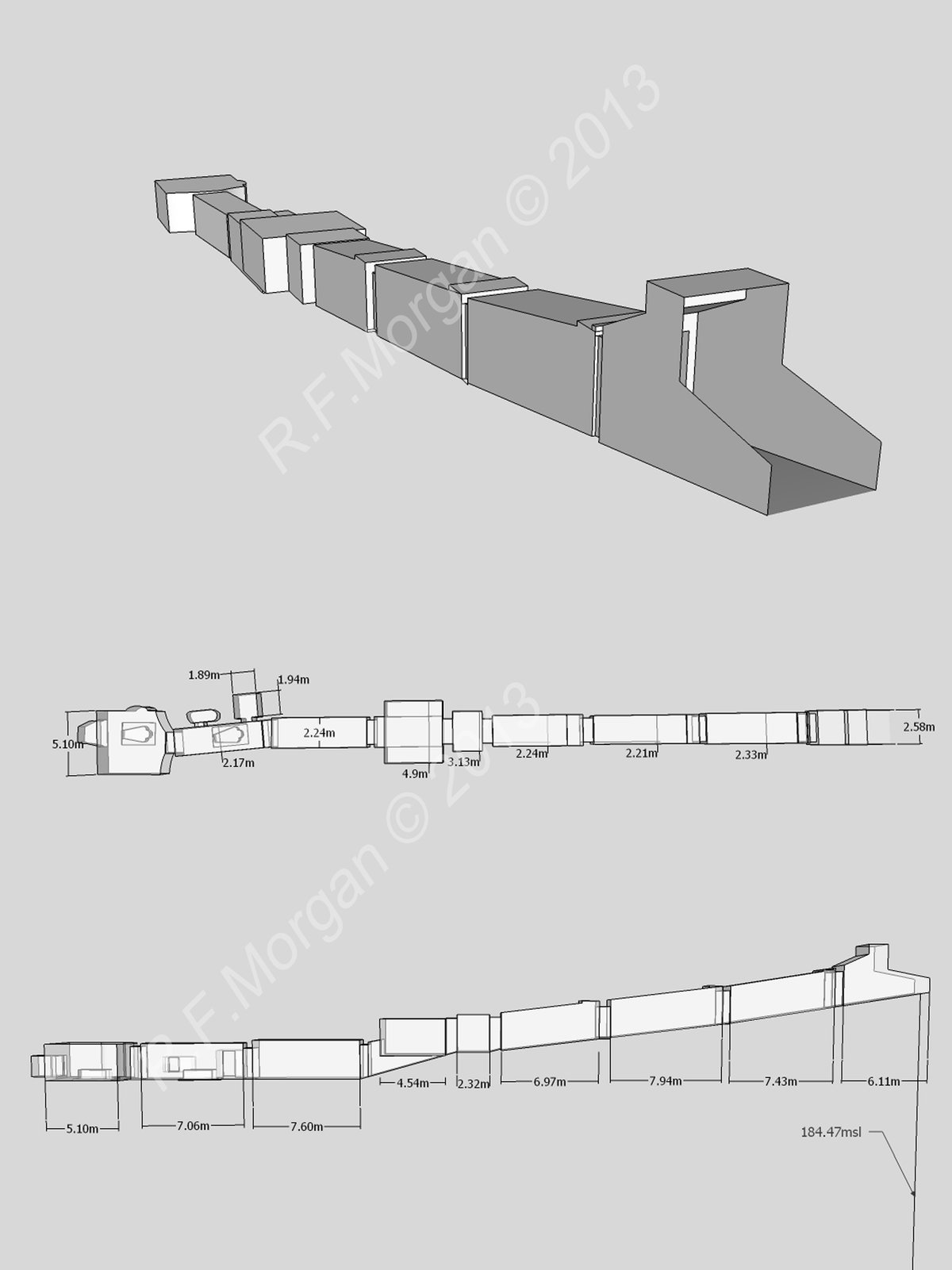
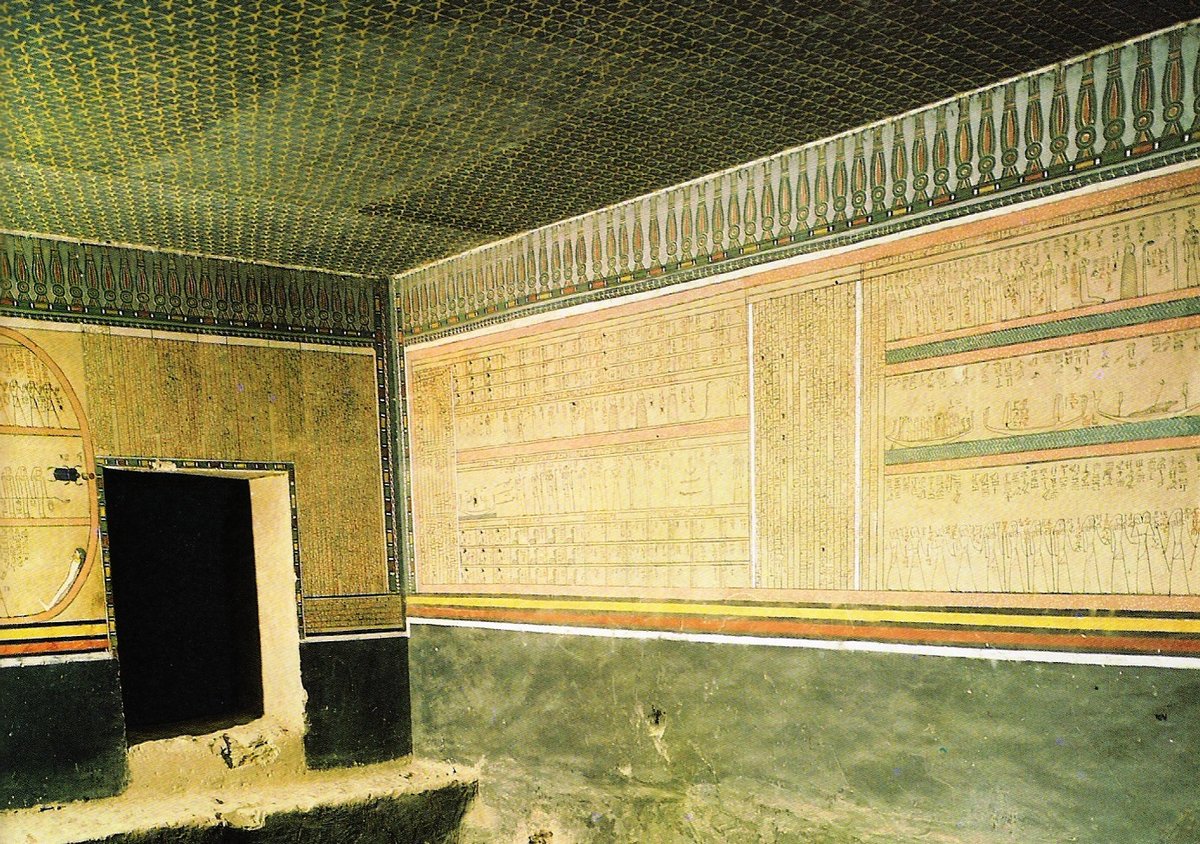
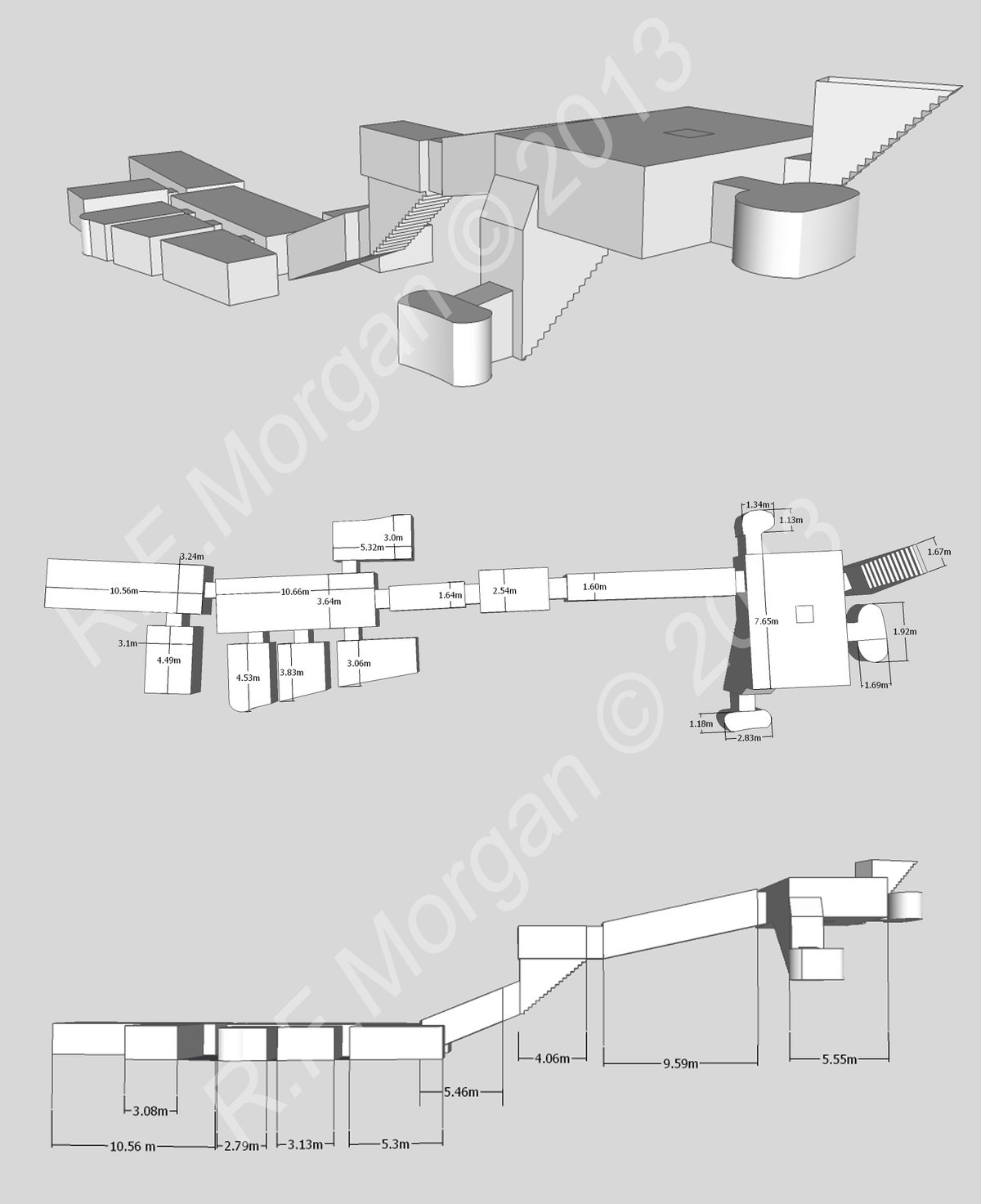
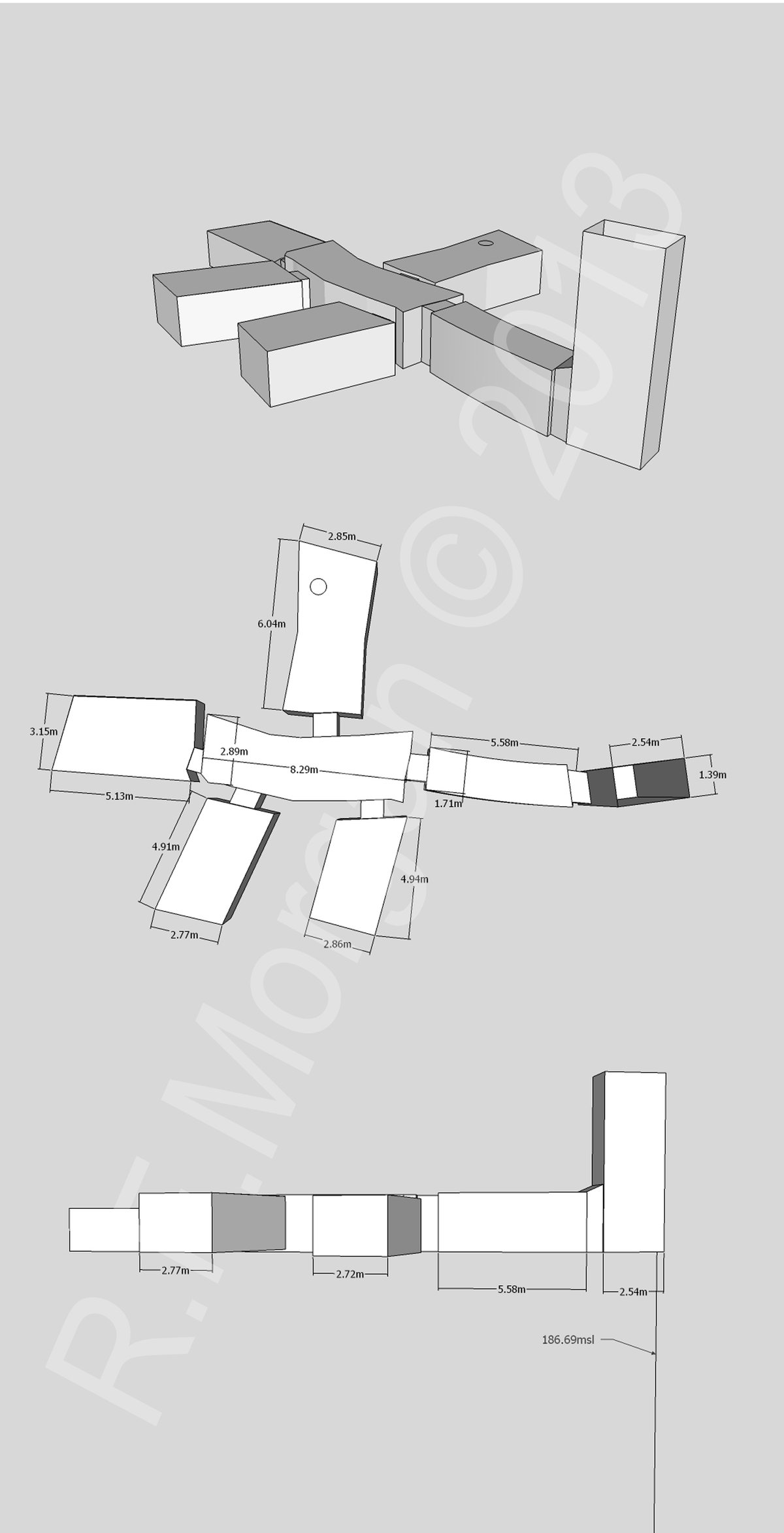
The architecture of the tomb is similar to the royal tomb of Akhenaten at Amarna, featuring a straight descending corridor leading to a well chamber that has no shaft. The tomb's decoration is similar in content and color to that of the tomb of Tutankhamun, featuring a fishing and fowling scene on the eastern wall. Some scholars suggest the tomb may have been originally intended for Tutankhamun.
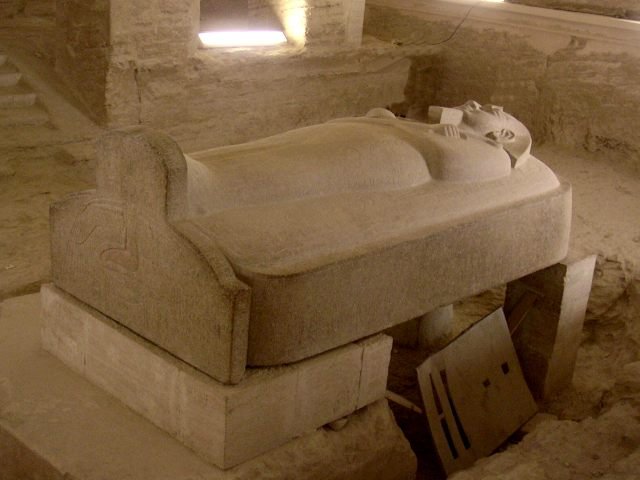
The tomb was anciently desecrated, likely during a sanctioned attack in the reign of Horemheb. At this time, the sarcophagus was smashed, and many instances of Ay's image and name were erased from the wall paintings. All the valuables were thoroughly looted, and it is possible that the contents of the nearby tomb KV58 originated from WV23.
Today, the tomb contains a reconstructed sarcophagus and various artifacts. Excavations by the University of Minnesota Egyptian Expedition found a small wooden beard, pieces of gold foil, a fragmentary hieratic ostracon, and five discs of gilded copper embossed with rosette and star patterns. A drystone wall on the northern side was found to be contemporary with the tomb's construction, serving to retain quarried limestone chippings.
Sources: Wikipedia, OpenStreetMap, Wikidata, Wikimedia Commons
Written by Mutabor
Discuss this with the author and others
No comments yet. Be the first to start the conversation.