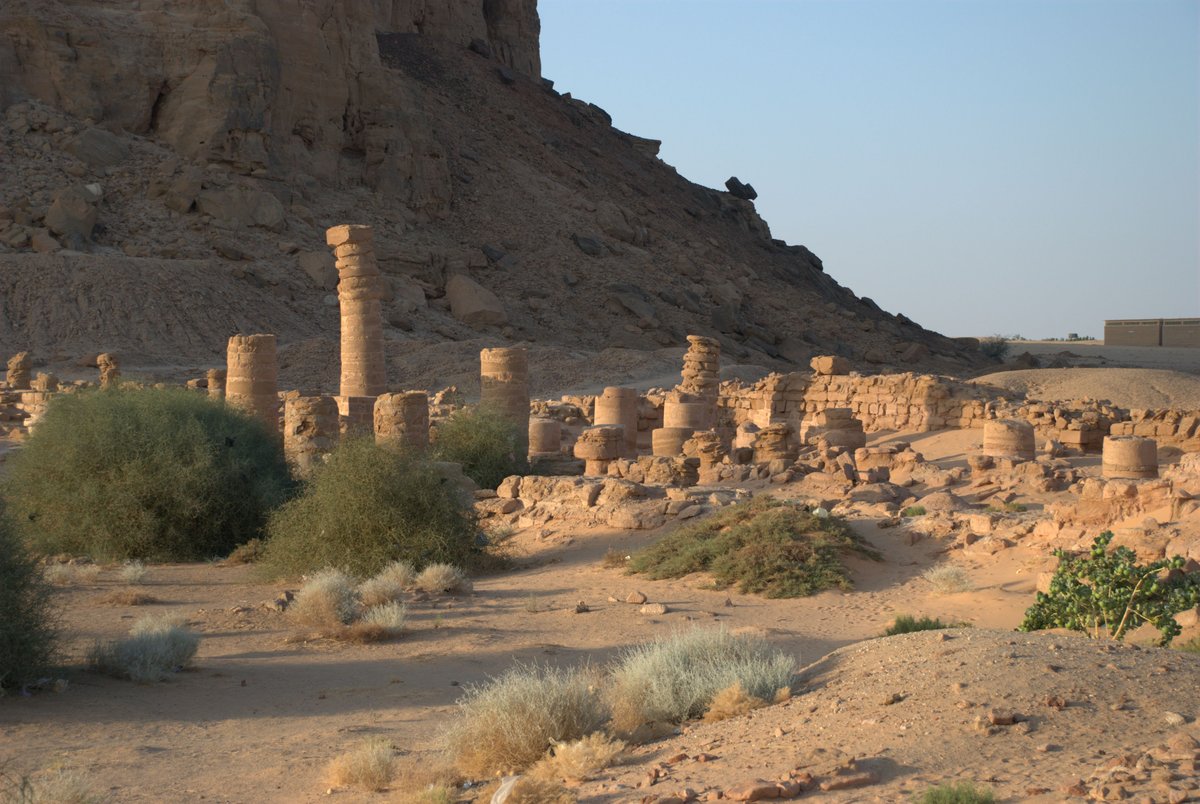

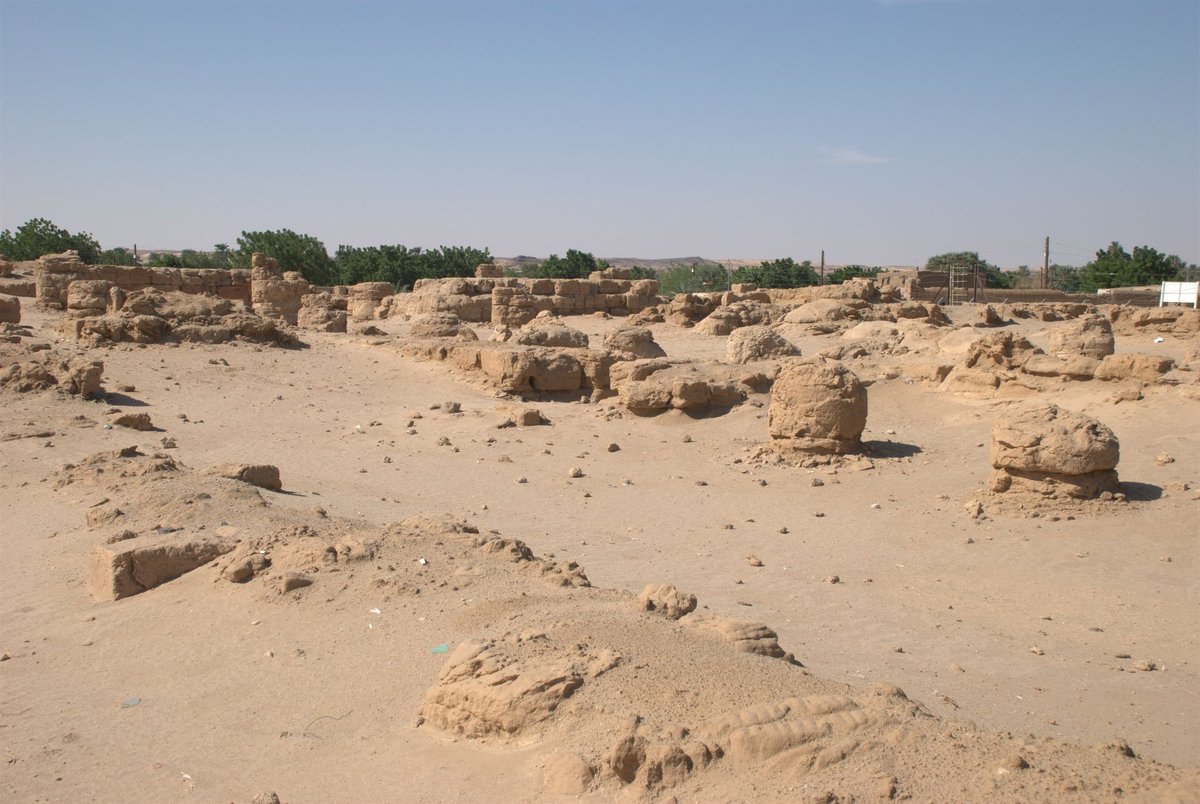
In the time of Thutmose III, the sands of Nubia hid a sanctuary of mud and myth. It was called the Resting place of Eternity, a house for the god Amun. A stele from this era tells the story of a battle at which Amun is said to have sent a star to aid Thutmose, an event modern scholars interpret as an omen or divine intervention.
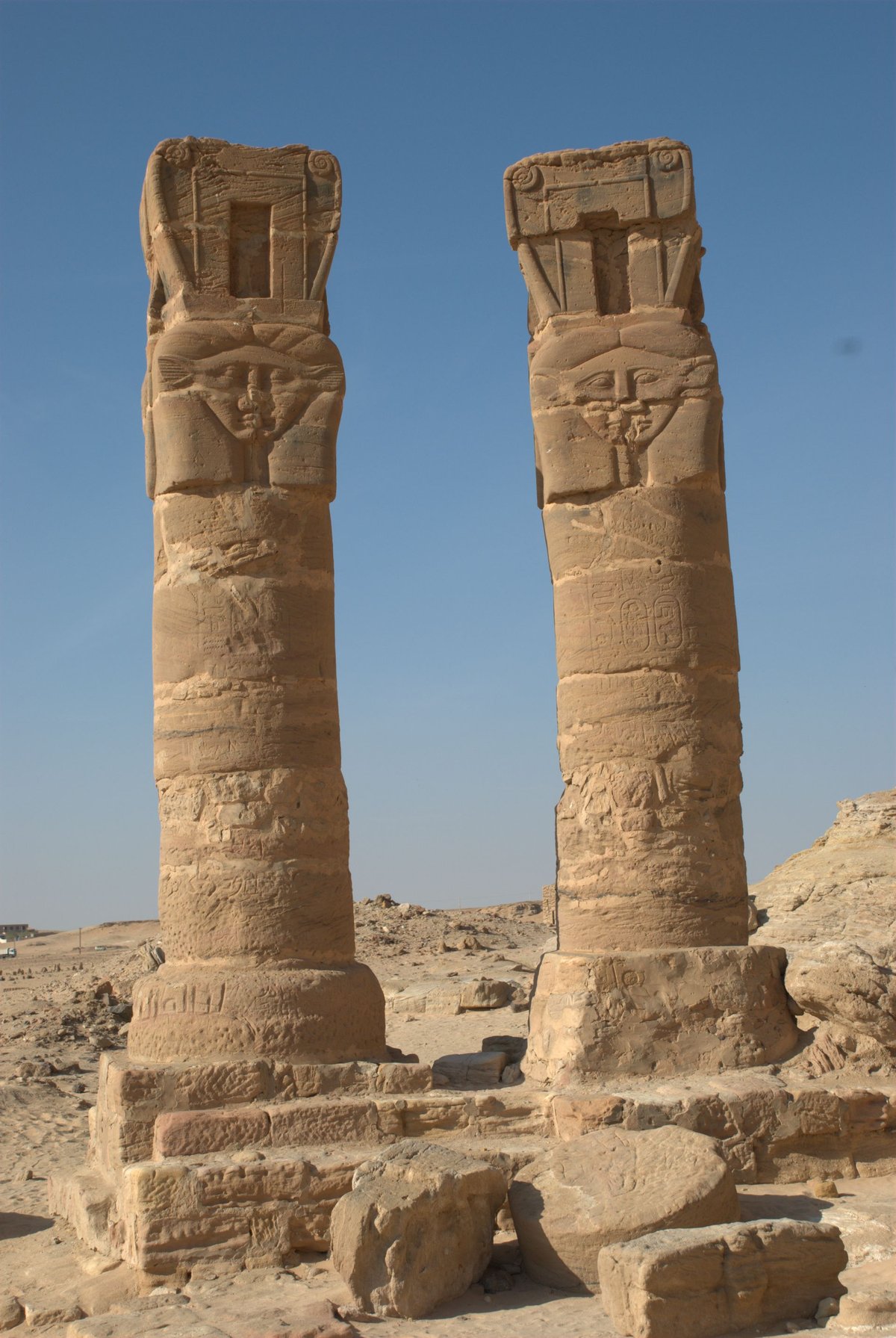
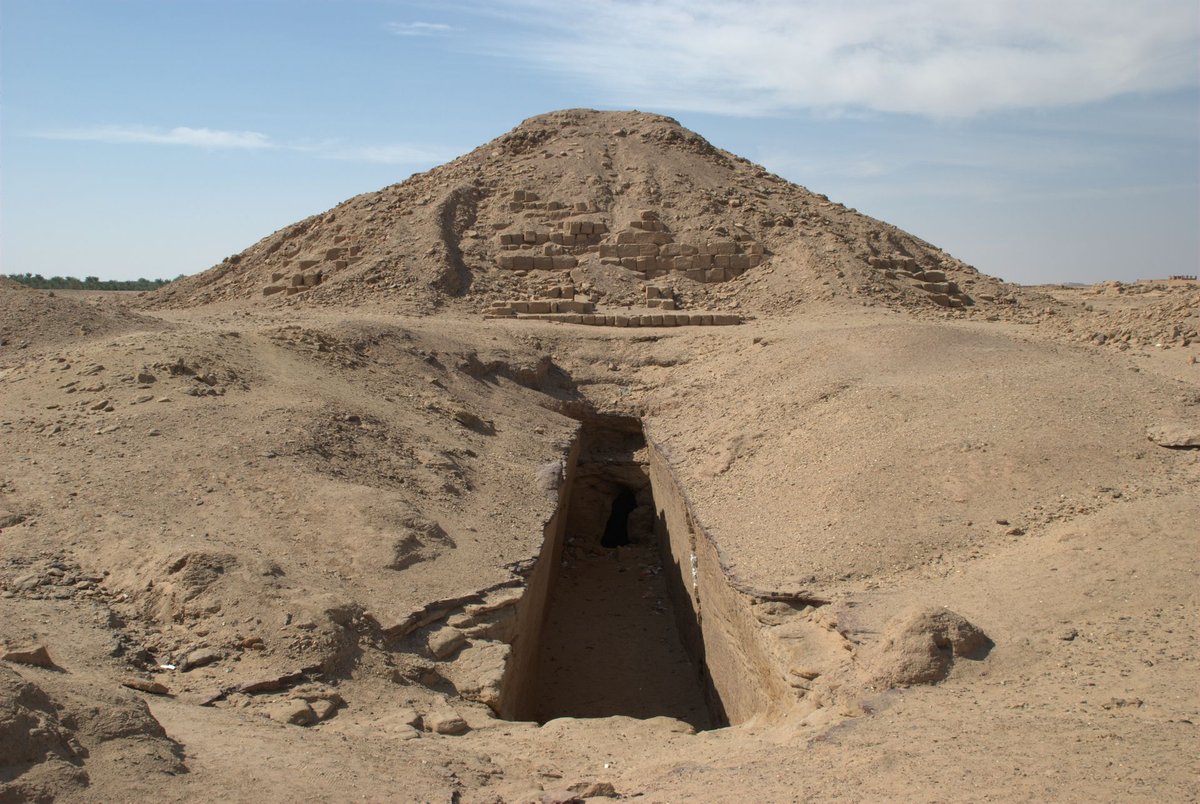
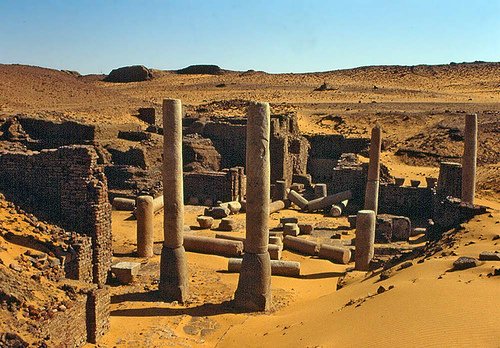
As the centuries bled into one another, the mud crumbled and the stones rose. Ramses II and his father Seti I raised great pylons and halls of sandstone, while later Kushite kings added a forest of fifty columns to celebrate their conquests. For generations, the temple served as a center of power; government officials took a coronation journey to the temple, where the king went into the Holy of Holies to be confirmed as king by a divine oracle.
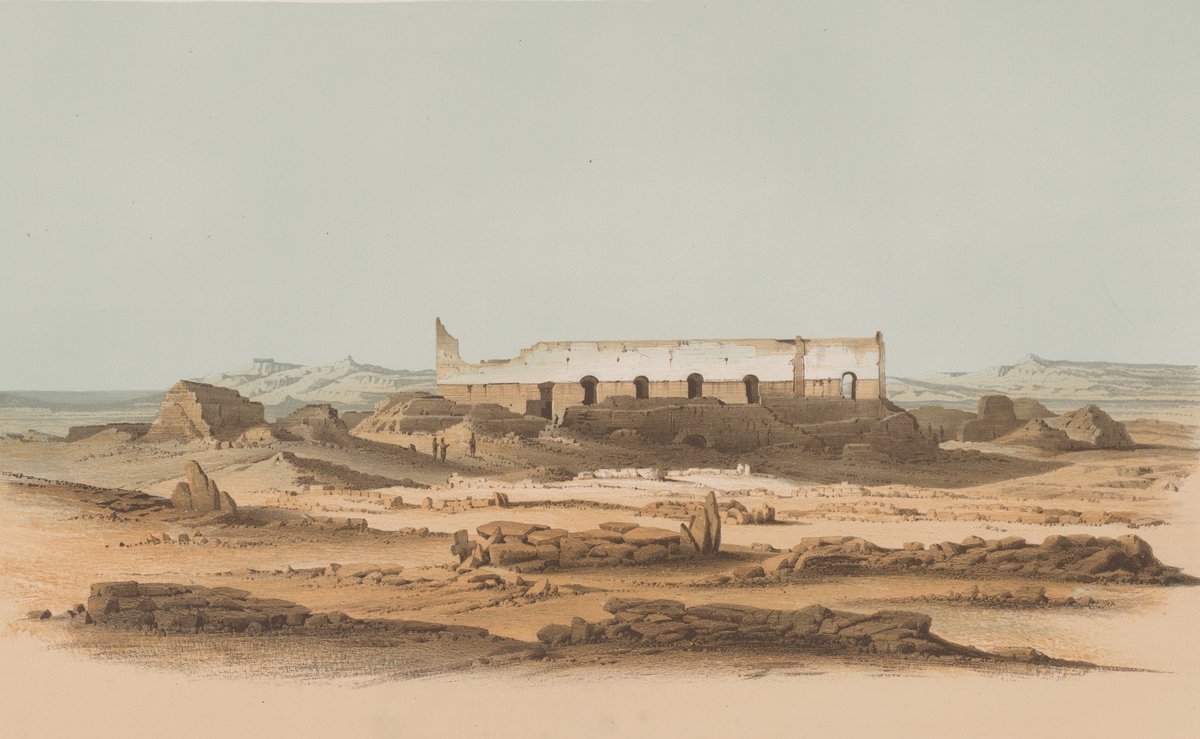
Then came the Roman iron. In 25 BC, the legions of Gaius Petronius swept into the land and laid the temple to ruin, taking the mountain from the queen who guarded it. They left a scar on the stones that the Kushite king Natakamani tried to mend with new renovations before the site fell into a long sleep of plunder and theft.
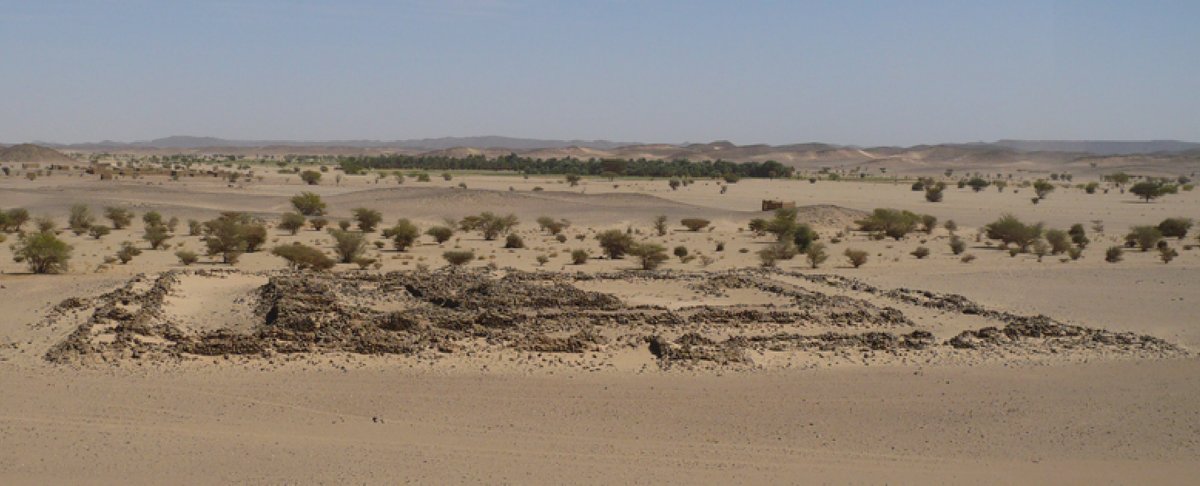
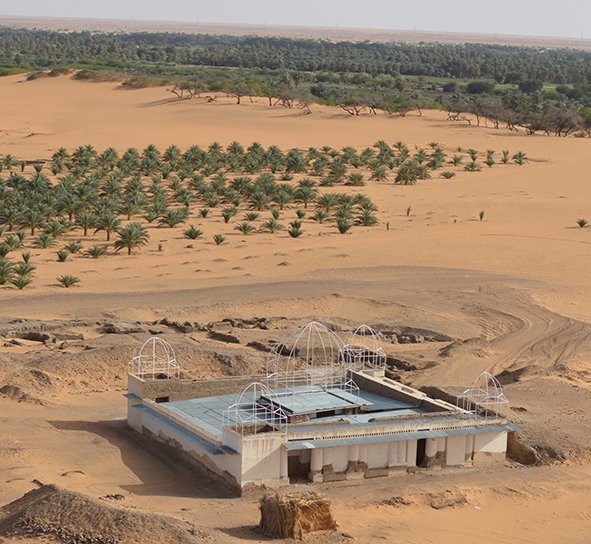
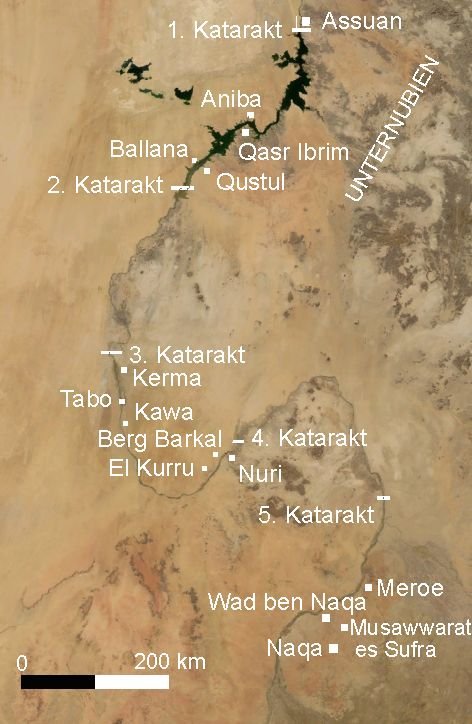
Today, the silence of Jebel Barkal holds the ghosts of these empires. The temple stands near a large bend of the Nile River, representing a revival of Egyptian religious values in the region once called Nubia.
Sources: Wikipedia, OpenStreetMap, Wikidata, Wikimedia Commons
Written by Mutabor
Discuss this with the author and others
No comments yet. Be the first to start the conversation.