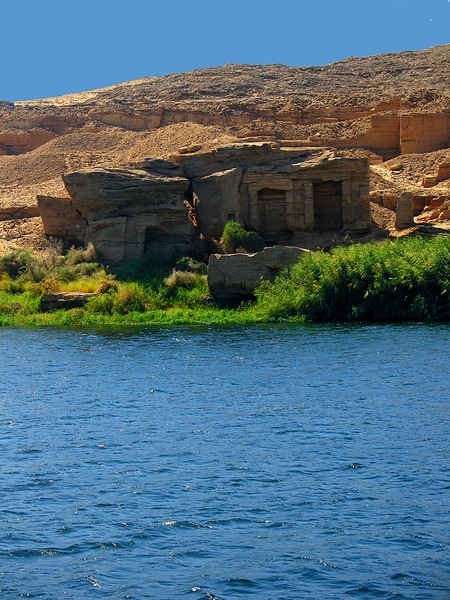

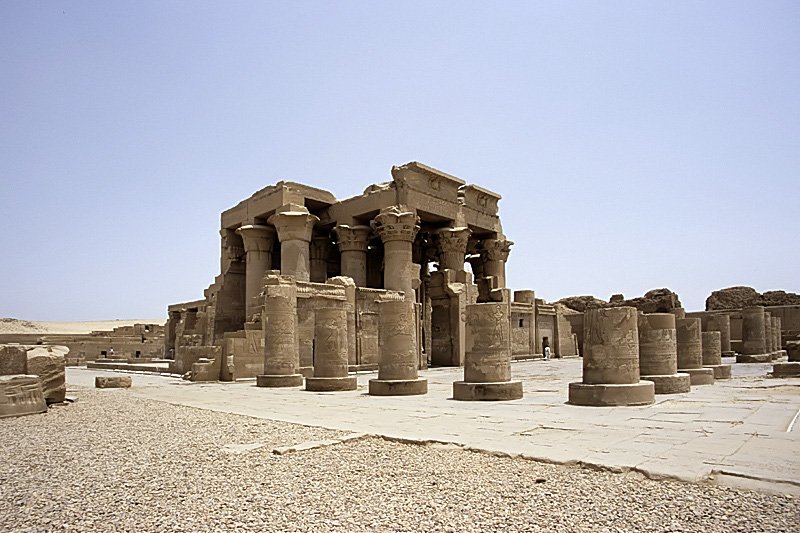
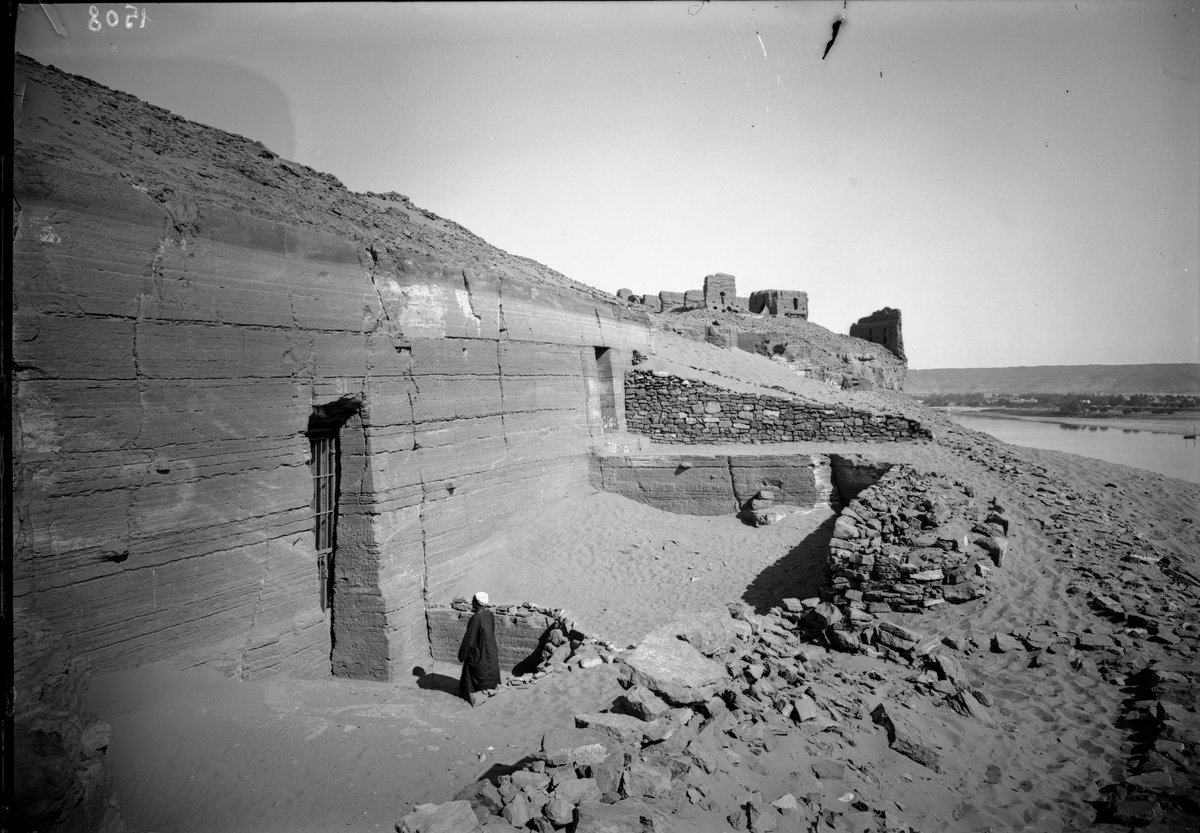
Gebel el-Silsila, meaning "Mountain of the Chain" or "The Place of Rowing", is located 65 km north of Aswan in Upper Egypt. Situated at the narrowest point of the Nile, the site served as a major sandstone quarry on both banks from the Middle Kingdom through the Greco-Roman periods. This location provided the sandstone used in the construction and decoration of many of Ancient Egypt's greatest monuments, including the temples of Karnak, Luxor, Medinet Habu, Kom Ombo, and the Ramesseum.
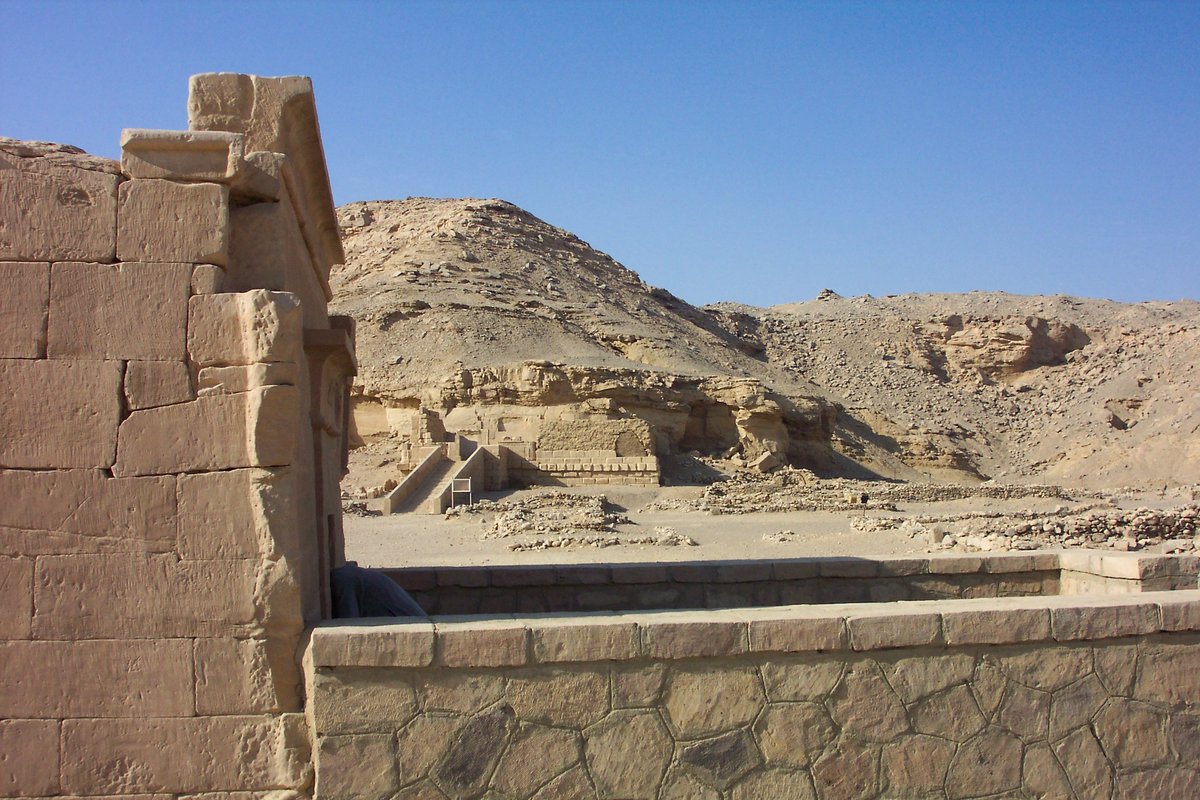
The quarry landscape contains over 120 separate quarries. Research by the Gebel el-Silsila Archaeological Project has used tool-mark analysis and spatial recording to study stone extraction, shaping, and transportation on an industrial scale. The quarry faces, extraction trenches, and unfinished blocks provide direct evidence of labor organization and techniques used during the 18th and 19th Dynasties. Geologist James Harrell has also conducted a comprehensive study of the site's geological features.
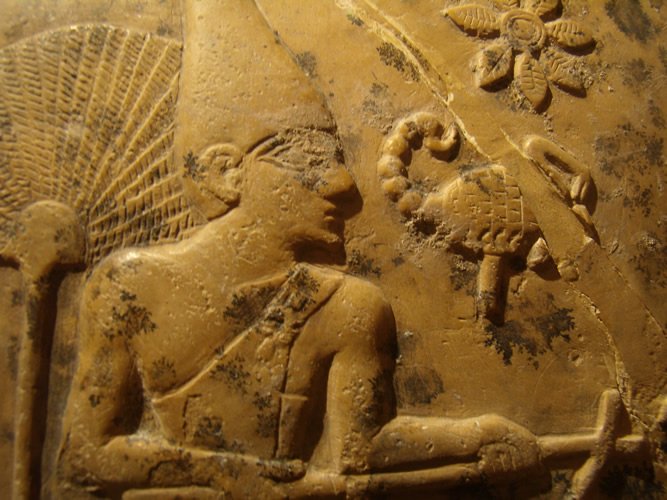
On the west bank, a rock-cut temple, or Speos, was created during the 18th Dynasty under the reign of Hatshepsut. The temple was heavily over-carved during the Ramesside era and contains scenes of Ramesses III and Ramesses II offering Maat to various deities, including Amun-Re, Mut, and Sobek. It also houses chapels for the Viziers Panehesy and Paser. South of the Speos are four monumental royal stelae, known as the Nile Stelae, depicting kings such as Ramesses V, Ramesses III, and Shoshenq I. These are surrounded by many cenotaphs, including shrines for officials like the Scribe of the Treasury of Thutmose and the Overseer of the Seal.
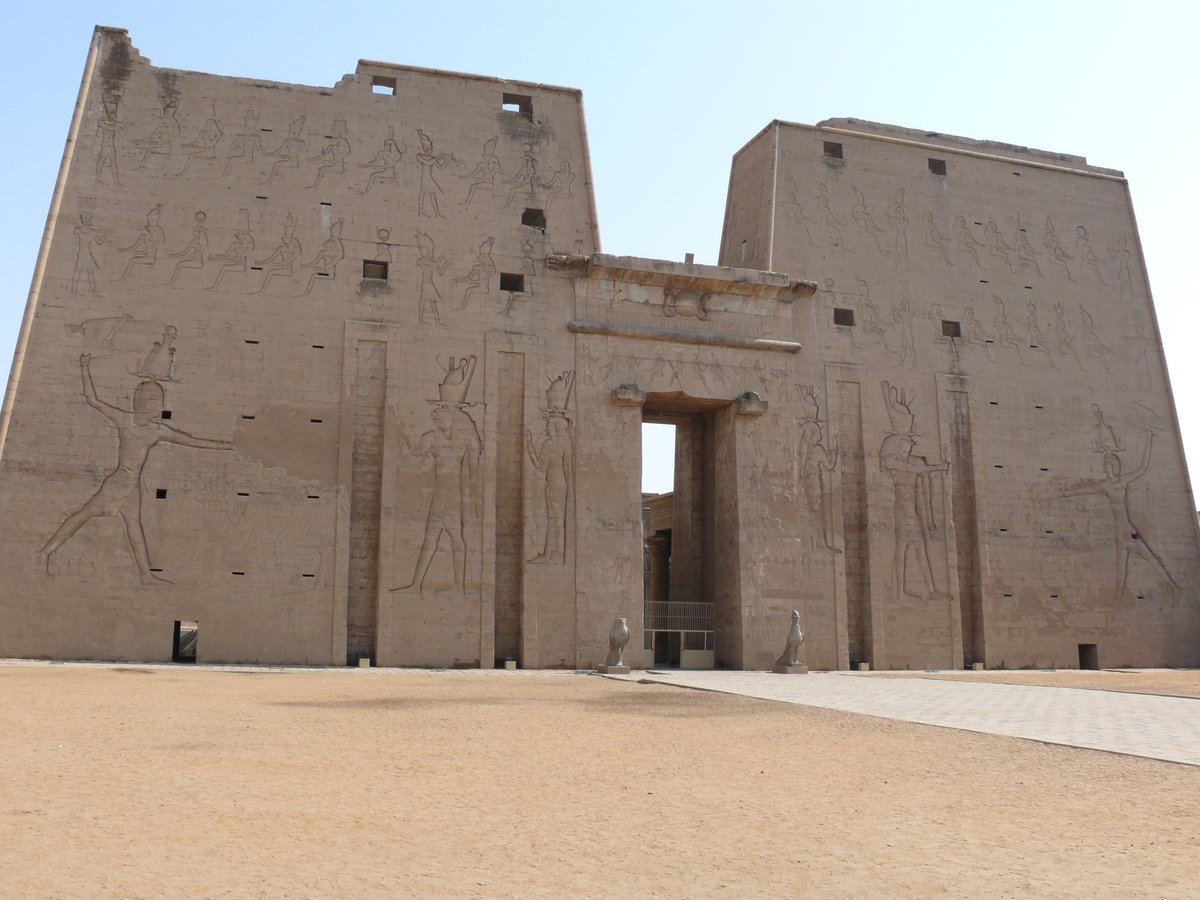
The site also contains numerous shrines erected by New Kingdom officials who were in charge of quarrying the stone. Many date to the reigns of Hatshepsut and Thutmose III, including shrines for the Overseer of the Granaries Minnakht and the Great Steward of the Queen Senenmut. In some of these inscriptions, Hatshepsut is depicted as a pharaoh in a striding fashion. Additionally, the area of the stelae was known in ancient times as "The Pure Water" and has been studied by Dr Moamen Saad.
Sources: Wikipedia, OpenStreetMap, Wikidata, Wikimedia Commons

Written by Mutabor
Discuss this with the author and others
No comments yet. Be the first to start the conversation.