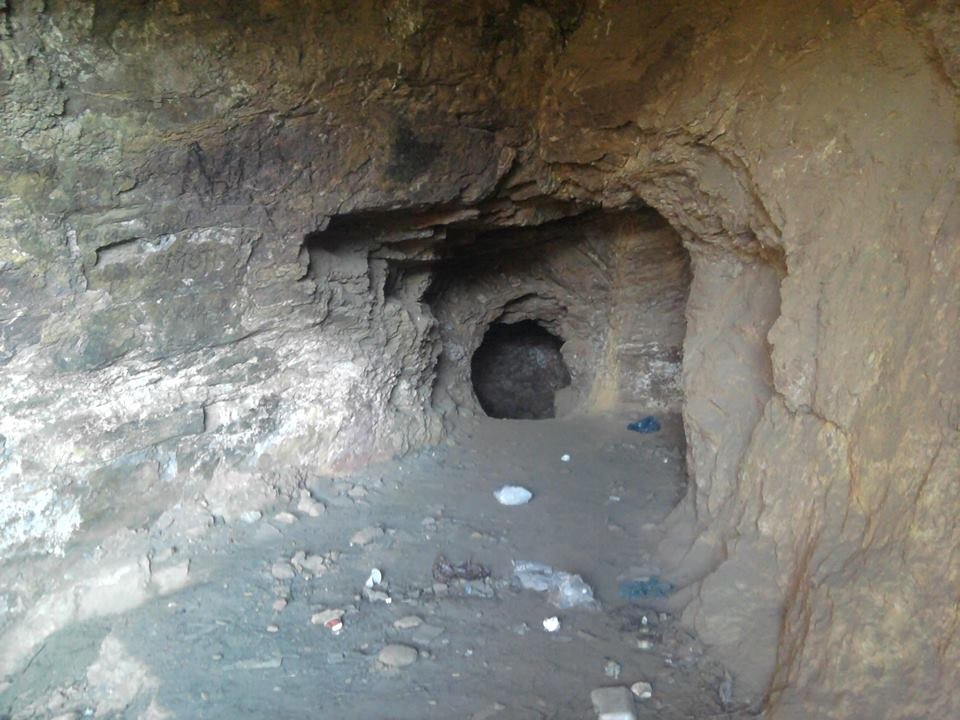

The caves in the Khchena mountains stretch like a subterranean maze for kilometers beneath the earth. They weave through the mountains in the Kabylie highlands, carving a path that belongs to three different towns at once. Here, the ground and walls are made of hard rock, creating a labyrinthine network of tunnels.
The occupation turned these depths into a significant mine. They pulled out gravel mixed with calcite and developed the tunnels to extract raw iron ore. A railway once carried this wealth, with an aerial lift lowering the heavy metal down to the train station, where trains would whisk the minerals away to processing plants.
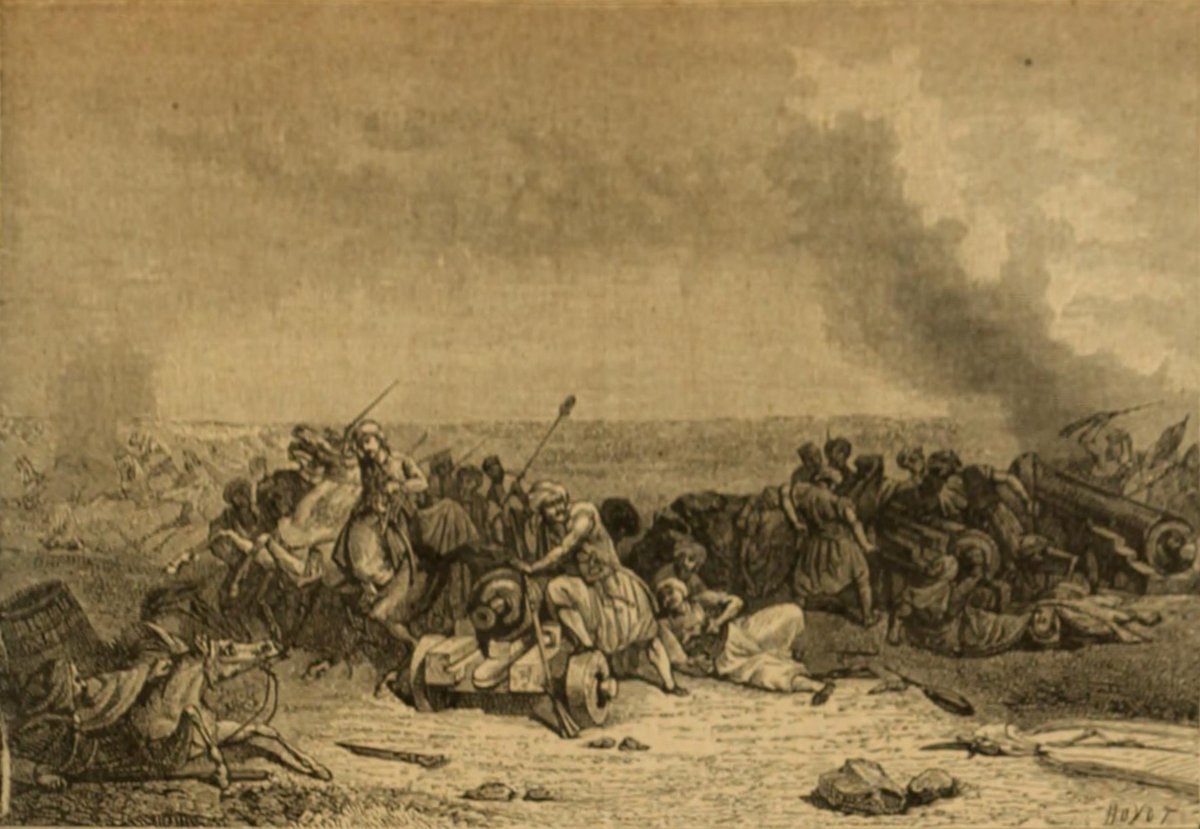
But the caves are also a site of memory. During the revolution, these tunnels became a sanctuary for the fighters of the historical states. After the meeting in August 1956, the labyrinth served as a center for leading operations against the occupation. The army eventually hunted the rebels into the dark, leading to a large battle in 1957 where four Algerian fighters were martyred after being besieged inside the passages.
Sources: Wikipedia, OpenStreetMap, Wikidata, Wikimedia Commons
Written by Mutabor
Discuss this with the author and others
No comments yet. Be the first to start the conversation.